Lettuce Companion Plants: Improve Yield and Reduce Pests
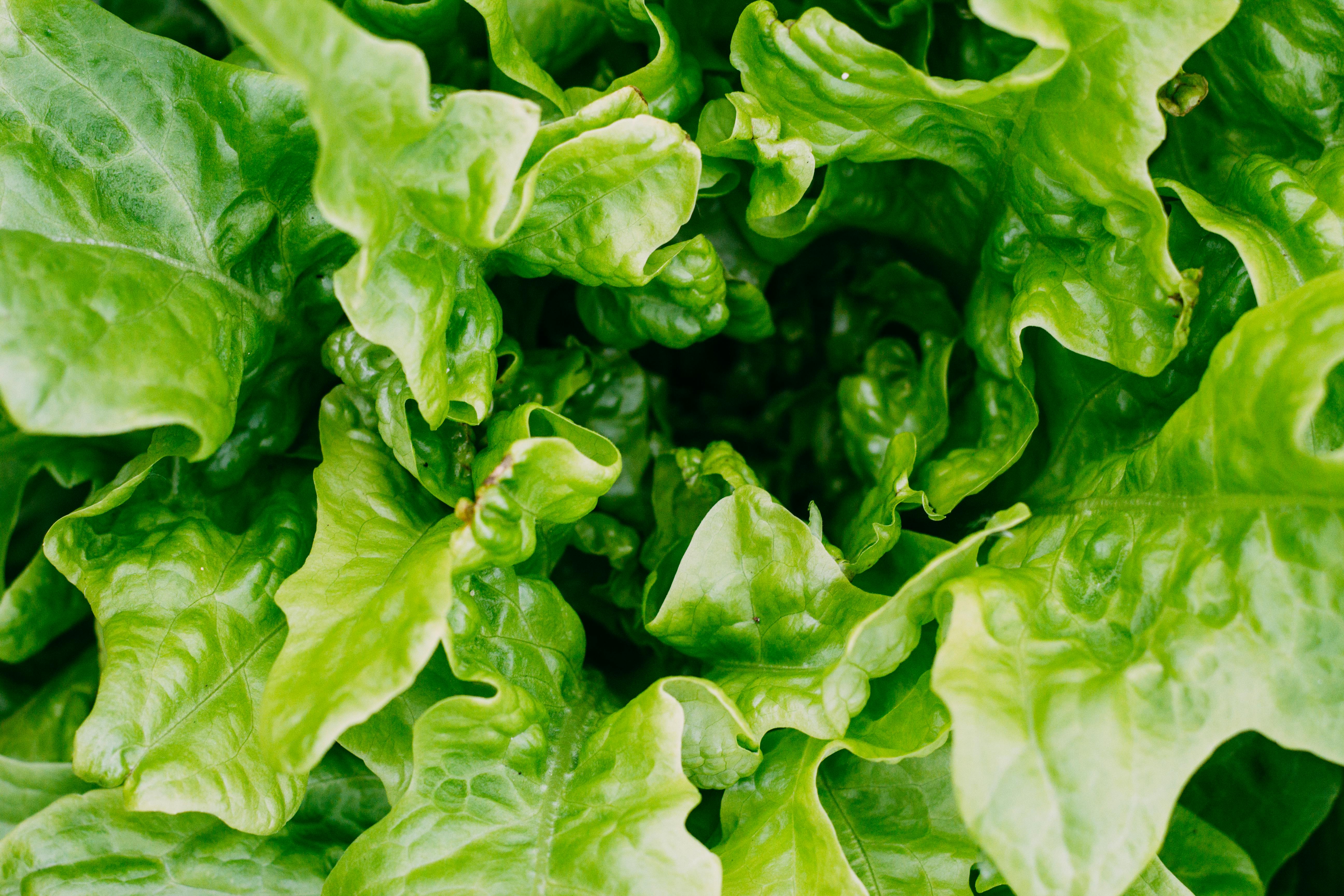
I discovered the practical value of companion planting with lettuce by accident. I'd been growing 'Black Seeded Simpson' lettuce in a patch bordered by tall pole beans on the west side, and while the surrounding lettuce beds in full sun were bolting and turning bitter by late June, the bean-shaded bed was still producing tender, sweet leaves through mid-July. The beans provided the afternoon shade that extended my lettuce season by three to four weeks past its usual limit. That experience permanently changed how I plan my vegetable beds — lettuce benefits enormously from thoughtful companion planting, both for pest management and season extension.
Best Companions for Pest Control
Carrots and radishes are classic lettuce companions because they occupy different vertical zones (below ground vs. above ground) without competing for the same space. Radishes, planted as a fast-growing edge or interplant, are often used as trap crops for flea beetles — the beetles preferentially attack radish leaves over lettuce. The radishes draw pests away from the main lettuce crop. Radishes mature in twenty-five to thirty days, so you can succession-plant them continuously through the season as living pest traps.
Marigolds (Tagetes species) bordering a lettuce bed deter aphids and whiteflies with their aromatic volatile compounds and attract beneficial insects including parasitic wasps and predatory beetles that control aphid populations. French marigolds (T. patula) are particularly effective and compact enough to border even a raised bed without shading. Garlic and onions (chives are the most compact option) planted at intervals through a lettuce bed repel aphids and slugs with their sulfur-based compounds. Their upright form doesn't shade low-growing lettuce. According to The Old Farmer's Almanac's companion planting chart, chives are among the most broadly useful companion plants in the vegetable garden, deterring aphids and other soft-bodied insects from multiple neighboring crops including lettuce, tomatoes, and carrots.
Companions for Shade and Season Extension
Lettuce bolts (goes to seed and becomes bitter) when temperatures consistently exceed 75–80°F (24–27°C) and day length increases. Providing afternoon shade through strategic companion planting effectively extends the productive season by reducing the temperature at the lettuce leaf level and moderating the light intensity that triggers bolting. Tall companions that provide beneficial shade without overwhelming competition include: pole beans (shade lettuce planted on their east side through afternoon hours), corn (ditto), tall sunflowers, staked tomatoes, and trellised cucumbers. The key is positioning: plant lettuce on the east or north side of taller companions so the shade falls on the lettuce during the hottest part of the afternoon while still allowing morning sun.
This strategic use of shade is one of the most practical applications of companion planting in the summer vegetable garden. In USDA Zones 6–9, where summer heat arrives forcefully by June, this technique meaningfully extends lettuce production into summer conditions that would otherwise make outdoor lettuce growing impossible. University of Maryland Extension's vegetable gardening resources discuss the role of summer shade in extending cool-season crop production in hot mid-Atlantic climates.
Space-Efficiency Companions
Lettuce's rapid growth and shallow root system make it an excellent interplanting companion with slow-growing crops that occupy the same space at different times. Lettuce under tomatoes: plant lettuce transplants around newly planted tomatoes in spring. The lettuce matures and is harvested by the time the tomato canopy closes over, utilizing the space productively rather than mulching it bare. Lettuce between brassicas: cabbage, broccoli, and kale have wide recommended spacing that creates gaps which lettuce can fill productively in the early season before brassicas expand. Lettuce border around the garden: a continuous edging of cut-and-come-again lettuce varieties around the perimeter of any vegetable bed provides edge crops, suppresses weeds, and uses otherwise unplanted transition space. For spacing strategies, visit our square foot gardening guide. For companion planting with another major vegetable, see our pepper companion planting guide.
Plants to Avoid Near Lettuce
Lettuce has few strong incompatibilities but some significant competitive concerns. Fennel — as with most vegetables — is best kept away from lettuce due to its allelopathic root secretions. Celery can compete aggressively with lettuce for moisture and nutrients when planted in close proximity. Parsley while not harmful, tends to become quite large and can shade out lettuce more than intended if not managed. Heavy nitrogen-feeder plants like corn in immediate proximity can deplete nitrogen quickly in shared soil, leaving lettuce under-nourished — if growing corn and lettuce near each other, fertilize more frequently to compensate. Gardening Know How's companion planting resources note that lettuce is among the most interplanting-friendly vegetables, with relatively few problematic companion combinations.
Common Mistakes to Avoid
- Planting lettuce in full exposure to afternoon summer sun without companion shading: Bolting is nearly inevitable. Position lettuce to receive morning sun and afternoon shade from taller companions.
- Planting companions that create too much shade: Dense canopy companions that eliminate morning sun cause lettuce to grow slowly and become susceptible to slug and disease pressure.
- Overcrowding: Companion planting improves yields but requires adequate spacing to avoid inter-plant competition. Follow recommended spacing for the primary crop and fit companions in available gaps.
- Planting fennel anywhere near the vegetable garden: Fennel's allelopathic effects extend beyond lettuce to most vegetables. Grow it in a separate, isolated container or bed.
Quick Reference Lettuce Companion Planting Table
| Plant | Benefit for Lettuce | Avoid? |
|---|---|---|
| Carrots | Space efficiency; different root zones | No |
| Radishes | Flea beetle trap crop | No |
| Marigolds | Aphid deterrence; beneficial insects | No |
| Chives/Onions | Aphid and slug deterrence | No |
| Pole Beans | Afternoon shade for season extension | No — position carefully |
| Tomatoes | Shade; use space before canopy closes | No — succession timing key |
| Fennel | — | Yes — allelopathic |
Good Companions vs. Companions to Avoid
| Plant | Good Companions | Companions to Avoid |
|---|---|---|
| Lettuce | Carrots, radishes, marigolds, chives, onions, pole beans, tomatoes (timed), strawberries, nasturtiums | Fennel, celery (competitive), overly dense shade-producing plants |
Frequently Asked Questions
Can I plant lettuce and strawberries together?
Yes — lettuce and strawberries make excellent companions. They have compatible root depths (strawberries slightly deeper than lettuce), different growth habits that don't compete intensely, and the lettuce can fill the bare soil between strawberry plants early in the season before the strawberry canopy fills in. In containers, pairing them works well as long as the container is large enough for both root systems (at least twelve inches deep and twelve inches wide per plant grouping).
Does companion planting really prevent lettuce bolting?
Companion planting doesn't prevent bolting — it delays it by reducing temperature and light intensity through strategic shading. Bolting is triggered primarily by temperature and photoperiod (day length), and no companion plant changes these fundamental signals. However, reducing leaf-level temperature by three to five degrees through afternoon shading can meaningfully extend the productive season before bolting occurs, particularly in Zones 6–9 where summer heat arrives rapidly. Combined with selecting slow-bolt varieties ('Jericho', 'Nevada', 'Flashy Trout's Back'), companion shading provides the most effective practical extension of the lettuce season.
What is the best quick-growing lettuce variety for companion planting?
'Black Seeded Simpson' (loose-leaf, ready in forty-five days), 'Tom Thumb' (butterhead, compact, ready in fifty days), and 'Salad Bowl' (loose-leaf cut-and-come-again) are among the fastest and most productive choices for companion and interplanting use. Cut-and-come-again varieties are particularly valuable for interplanting because they can be harvested repeatedly over weeks without replanting, making them efficient space partners for slow-maturing companions like carrots, beets, or young tomato plants.
Lettuce companion planting is one of the most straightforward ways to improve your vegetable garden's productivity and pest resilience simultaneously. Even one or two strategic additions — marigolds at the border and chives between plants — make a measurable difference. Drop your lettuce growing questions in the comments below.

About the Author
Sage Avery is a passionate gardener and plant enthusiast sharing tips for a greener life.