Liquid vs. Granular Fertilizer for Houseplants: Which to Use
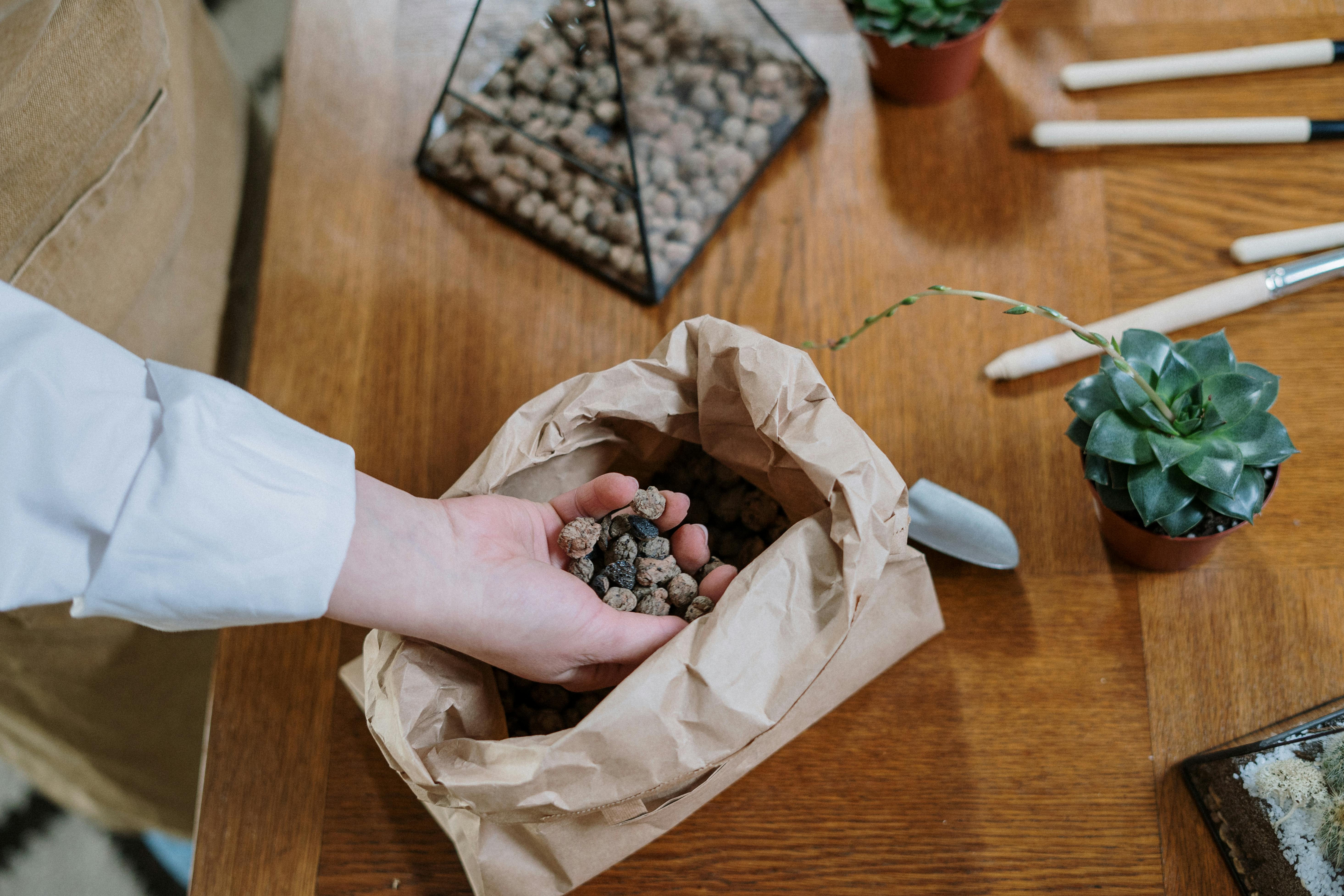
Fertilizer format — liquid vs. granular, fast-release vs. slow-release — matters more than most plant owners realize. The same nutrients delivered differently can produce significantly different results, and choosing the wrong format for your situation creates either underwhelmed plants or, less commonly, nutrient burn. Here's a practical breakdown of when each makes sense.
How Each Type Works
Liquid fertilizers dissolve in water and deliver nutrients directly to the root zone in a form plants can use within hours. They're fast-acting and allow precise control over concentration. The tradeoff is that they're washed through the soil relatively quickly — typically within one to two weeks of application — and must be reapplied regularly to maintain nutrient levels.
Granular fertilizers come in two forms: fast-release granules that dissolve with watering and provide nutrients relatively quickly (within one to three days), and slow-release or controlled-release granules (products like Osmocote) that have a polymer coating controlling nutrient release over three to six months. Slow-release granules are perhaps the most common type sold for houseplants and are often pre-mixed into commercial potting mixes when they're fresh.
Why Liquid Fertilizer Is Better for Most Houseplants
Liquid fertilizer gives you control. You can adjust concentration based on the growth stage, season, or specific plant needs. During the growing season (spring and summer), apply at the recommended concentration every two to four weeks. In fall and winter when growth slows, reduce to half strength or stop entirely — and you can make this adjustment precisely because you're applying each dose yourself rather than relying on a slow-release product that continues releasing regardless of whether the plant is actively growing.
Liquid fertilizer also works on plants that need quick intervention. If a plant shows acute nitrogen deficiency (rapidly yellowing older leaves), liquid fertilizer delivers a response within days rather than the weeks a granular product might take. Fish emulsion, liquid seaweed, and balanced synthetic liquid fertilizers (20-20-20 or similar) are all excellent choices for regular liquid feeding.
When Slow-Release Granules Make Sense
Slow-release granules are ideal for people who prefer low-maintenance routines and don't want to remember to fertilize regularly. Apply once in spring (or twice a year for plants with high nutrient demand), and the fertilizer works in the background. They're also well-suited to large outdoor containers and plants that spend summers outdoors — liquid fertilizer applied to a large outdoor container needs to be reapplied very frequently to keep pace with fast outdoor growth.
The risk with slow-release granules indoors is over-application: if you apply them to potting mix that already contains incorporated slow-release granules from the factory, you may be doubling the nutrient load without realizing it. Always check whether your potting mix already includes fertilizer before adding more.
Reading the Numbers: NPK Ratio
All fertilizer labels list three numbers — the NPK ratio — representing the percentage of nitrogen (N), phosphorus (P), and potassium (K). Nitrogen drives leafy growth and deep green color; it's what most houseplants need most in the growing season. Phosphorus supports root development and flowering. Potassium improves overall plant health, disease resistance, and fruit quality in edible plants. A balanced fertilizer (equal or near-equal NPK, like 10-10-10 or 20-20-20) suits most foliage houseplants through the growing season. For plants you're trying to encourage to flower — orchids, hoyas, anthuriums — a fertilizer higher in phosphorus and lower in nitrogen ("bloom booster") applied once plants are established can stimulate flowering.
Signs You're Fertilizing Incorrectly
Too little fertilizer: pale green or yellowing leaves (especially older lower leaves), slow growth, small new leaves, and stems that are thinner than expected. Too much fertilizer or salt buildup: white crusty deposits on soil surface or outside of terracotta pots, brown leaf tip burn, root damage visible as wilting that doesn't respond to watering, and plant decline despite healthy conditions in every other respect. If you suspect over-fertilization, flush the pot with clean water two to three times and hold off fertilizing for four to six weeks to allow the root system to recover.
About the Author
Sage Avery is a passionate gardener and plant enthusiast sharing tips for a greener life.