Monstera Deliciosa Care Guide
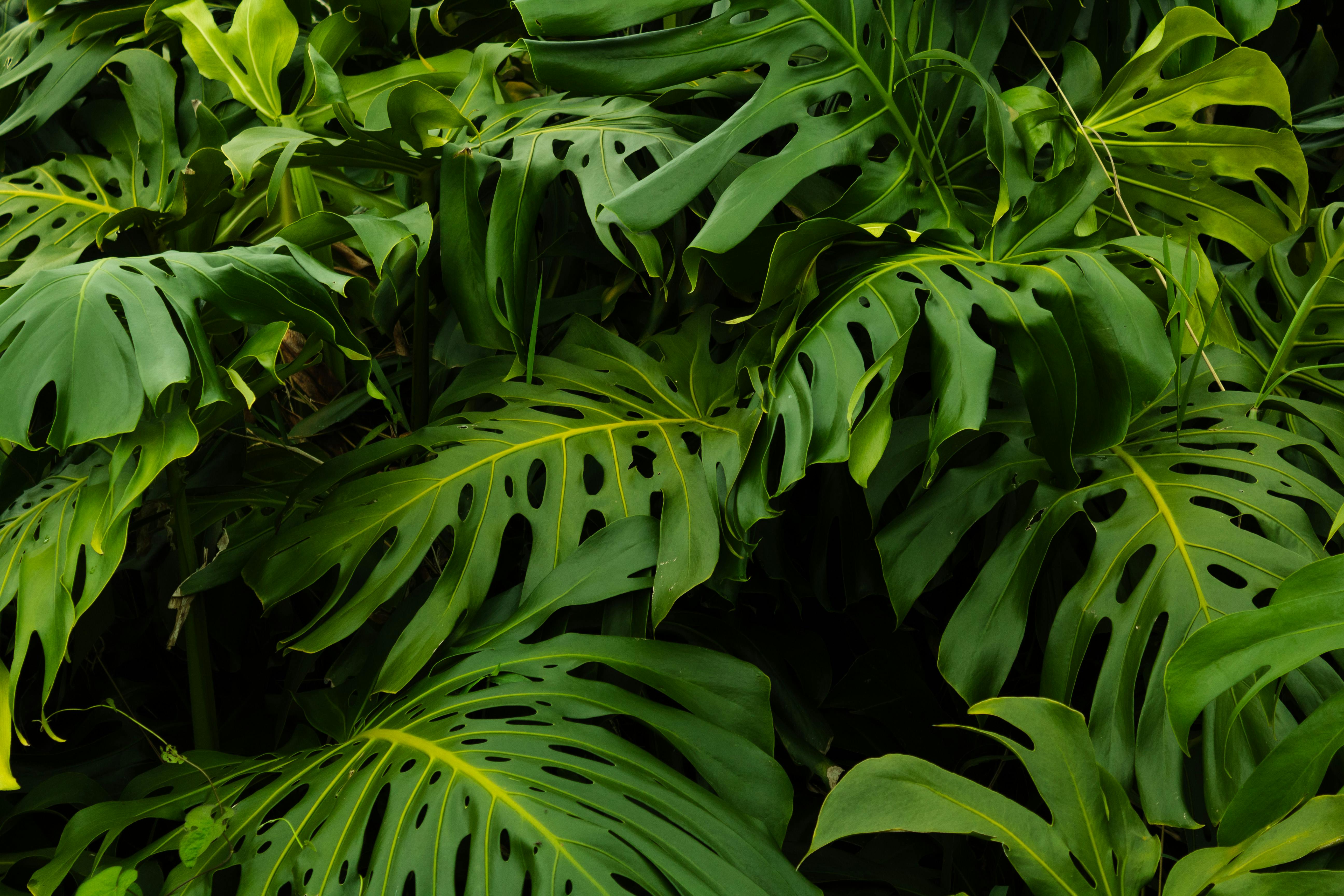
Unlocking Fenestrations: The Swiss Cheese Plant Bible
Caring for my Monstera deliciosa for four years has been a journey of awe as each new leaf unfurls with more dramatic splits and holes (fenestrations). This tropical aroid is a statement plant with specific but manageable needs.
Complete Care Requirements for Lush Growth
- Light: Bright, indirect light (1,000-2,000 FC) is non-negotiable for fenestration development. An east or west-facing window is ideal. Low light leads to small, solid leaves.
- Water: Water deeply when the top 2-3 inches of soil are dry. They dislike soggy soil but appreciate consistent moisture. Reduce watering in winter.
- Soil: A chunky, well-aerated mix. I use: 1/3 orchid bark, 1/3 coco coir, 1/3 perlite, with a handful of worm castings.
- Humidity: Prefers >50%. Below 40%, leaf edges may brown. Use a humidifier or pebble tray.
- Temperature: 65-85°F (18-30°C). Keep away from cold drafts.
- Fertilizer: Feed every 3-4 weeks in spring/summer with a balanced liquid fertilizer diluted to half strength.
Encouraging Fenestrations and Size
Fenestrations are a maturity and light response. Provide brighter light and support! Monsteras are hemiepiphytes. Giving it a moss pole or trellis to climb mimics its natural habitat, triggering larger, more fenestrated leaves. Aerial roots will attach to the pole.
Propagation and Repotting
Propagate via stem cuttings that include a node and, if possible, an aerial root. Root in water or sphagnum moss. Repot every 1-2 years in spring, sizing up the pot gradually and providing fresh, chunky soil.
Toxicity Note: Like many aroids, Monsteras contain calcium oxalate crystals, which are toxic to pets and humans if ingested, causing mouth irritation. The ASPCA lists it as toxic to cats and dogs.

About the Author
Written by Sage Avery, a plant care writer at Plant Companion Guide. For how we create and update content, see our editorial policy.