Nerve Plant Care: Revive Your Fittonia Quickly
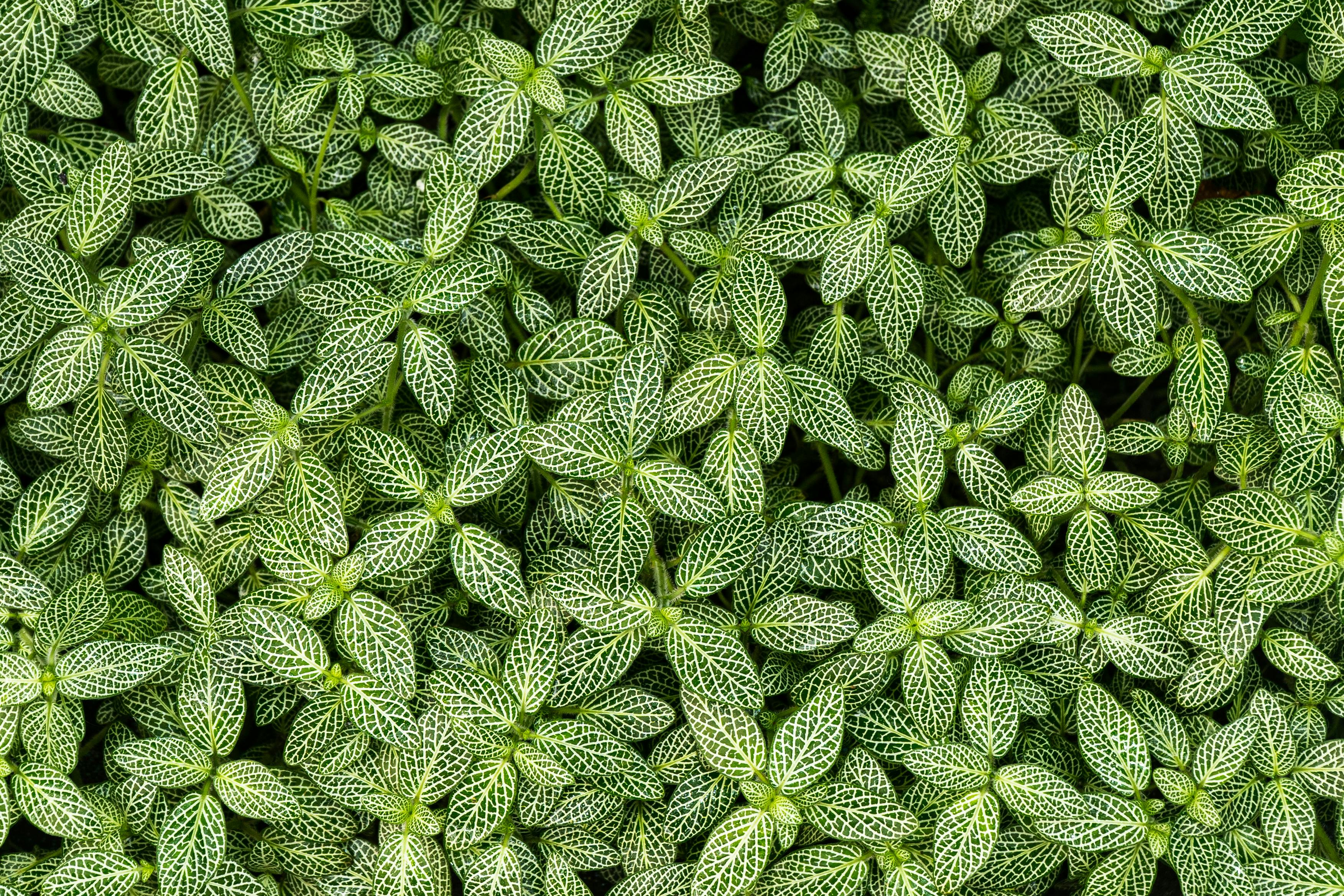
The first time my nerve plant collapsed into a flat, lifeless puddle of drooped leaves on the soil surface, I genuinely thought it was dead. The dramatic, total collapse is unlike any other houseplant — other plants wilt gradually, but Fittonia does it all at once, with theatrical commitment. I grabbed a glass of water, watered it immediately, and watched in astonishment as the leaves began to lift within twenty minutes and were fully upright within an hour. This revival from apparent death is one of the most satisfying experiences in houseplant care — and it's entirely repeatable if you catch the collapse before leaf cell damage occurs.
Understanding Fittonia's Dramatic Wilting Response
Fittonia albivenis (nerve plant) wilts so dramatically because it lacks the waxy leaf cuticle that helps other plants retain moisture between waterings. Its soft, thin leaves lose water quickly through transpiration, and once the plant's cells lose sufficient turgor pressure, the entire plant collapses simultaneously — every leaf and stem at once. This is the plant's most urgent communication, and it's reversible if addressed promptly. Water thoroughly as soon as you notice the collapse, and the plant should recover within thirty to sixty minutes in most cases.
The danger comes from repeated wilting. Each collapse-and-recover cycle causes some cellular damage that manifests as yellow patches or brown sections on the leaves after recovery. A plant that wilts repeatedly develops permanently damaged foliage and weakened growth. The goal is to catch Fittonia before the dramatic collapse by maintaining consistently moist soil and humidity above 50–60%. Gardening Know How's Fittonia resources confirm that consistent moisture, not dramatic intervention, is the long-term solution.
Light and Humidity: Fittonia's Non-Negotiables
Fittonia comes from the humid understory of Peruvian rainforests, where it grows on the forest floor in very low light and near-constant high humidity. Indoors, it thrives in conditions that mimic this habitat: bright to medium indirect light (never direct sun, which scorches its thin leaves within hours), and humidity consistently above 50–60%. These requirements make Fittonia one of the best plants for terrariums, where enclosed glass walls maintain high humidity naturally and light levels are moderate and consistent.
In open-air indoor environments, Fittonia needs regular attention to maintain humidity. A small humidifier positioned nearby, grouping with other plants, or a pebble tray with water all help. North or east-facing windows work well. South or west windows require significant distance from the glass or a sheer curtain, as even moderate direct sun will scorch these delicate leaves. According to The Spruce's tropical plant care resources, Fittonia in terrariums or enclosed glass containers succeeds far more readily than in open-air placements in dry indoor environments.
Watering and Soil for Fittonia
Fittonia wants consistently moist soil — not waterlogged, but never approaching dry. Water when the top half-inch of soil begins to dry, typically every three to five days in a warm, moderately lit indoor environment. Use a well-draining potting mix to prevent waterlogging while maintaining sufficient moisture retention. A standard potting mix without heavy amendments works well; you want moisture retention here, unlike with succulents or cacti.
Use room-temperature, filtered water to avoid fluoride and chlorine sensitivity. Fertilize monthly during spring and summer with a balanced liquid fertilizer at quarter to half strength — Fittonia is a small, delicate plant that doesn't need heavy feeding. In fall and winter, reduce fertilizer and allow growth to slow naturally, though unlike many tropical plants, Fittonia doesn't have a pronounced dormancy period and continues growing with adequate warmth and humidity year-round.
Terrariums: The Ideal Fittonia Environment
If you've struggled to keep Fittonia alive in normal indoor conditions, a terrarium will transform your experience with this plant. The enclosed glass walls of a terrarium (or even a large glass jar with a lid) maintain high humidity that Fittonia needs, create stable temperature conditions, and allow significant reduction in watering frequency because moisture cycles within the closed system. Fittonia works particularly well in Wardian cases, glass terrariums, or large apothecary jars. Pair it with mosses, small ferns, and other humidity-loving species for a lush, low-maintenance botanical display.
The key to terrarium success with Fittonia is good drainage: add a layer of coarse gravel or horticultural charcoal at the bottom of the container beneath the planting medium to prevent waterlogging in the enclosed space. Plant in a thin layer of appropriate mix, and position the terrarium in bright indirect light. Watering in a closed terrarium is rarely needed more than once every two to four weeks. For related houseplant display ideas using creative containers, see our indoor plant display guide, and for DIY moisture management tools, visit our DIY self-watering planter tutorial.
Common Mistakes to Avoid
- Allowing repeated wilting: Each collapse-and-revival cycle damages leaves. Consistent soil moisture prevents the collapse from occurring.
- Placing in direct sun: Even brief direct sun exposure scorches Fittonia's thin leaves permanently.
- Using cold tap water: Room-temperature filtered water prevents both cold shock and mineral sensitivity.
- Trying to grow in dry indoor air without intervention: Below 40% humidity, Fittonia struggles continuously. Consider a terrarium if your home is dry.
- Over-fertilizing: A small, fast-growing plant, Fittonia needs only light feeding at quarter to half the recommended fertilizer strength.
Quick Reference Fittonia Care Table
| Factor | Ideal Condition |
|---|---|
| Light | Bright to medium indirect; no direct sun |
| Water | Consistently moist; top half-inch dry triggers wilting |
| Soil | Standard potting mix with adequate moisture retention |
| Humidity | 60–80%; terrarium ideal |
| Temperature | 65–80°F (18–27°C) |
| Fertilizer | Balanced, quarter to half-strength, monthly in growing season |
| Best Use Case | Terrarium, closed terrarium, or very humid rooms |
| Toxicity | Non-toxic to cats, dogs, and humans |
Frequently Asked Questions
My Fittonia wilted even though I water it regularly — why?
If you water regularly but the plant still wilts, the most likely causes are low humidity (the plant loses water through leaves faster than roots can supply it) or root problems preventing uptake. Check the soil — if it's wet but the plant wilts, root rot may have compromised the root system's ability to transport water. Unpot and check for blackened, mushy roots. If humidity is the issue, consider relocating to a terrarium or adding a humidifier nearby.
Can Fittonia survive in low light?
Fittonia tolerates low light better than many tropical houseplants — it's a natural understory dweller — but in very low light, growth slows significantly and the intricate leaf patterning becomes less vivid. The green-veined varieties tolerate lower light better than the pink or white-veined cultivars. In very low light, reduce watering frequency significantly, as the soil dries much more slowly and root rot risk increases substantially.
How do I make my Fittonia bushier?
Pinch back the growing tips regularly — every four to six weeks during the growing season. This prevents the plant from becoming leggy (long stems with leaves only at the tips) and encourages lateral branching, producing a fuller, more compact plant. The pinched tips can be rooted in moist potting mix — Fittonia propagates readily from stem cuttings and will root within two to three weeks in warm, humid conditions.
Fittonia is a plant that rewards attention with some of the most intricate and beautiful foliage available at any garden center price point. Catch the wilts early, maintain humidity, and you'll have a thriving nerve plant that genuinely earns its name. Drop your Fittonia questions in the comments below.
About the Author
Sage Avery is a passionate gardener and plant enthusiast sharing tips for a greener life.