North Window Plants List
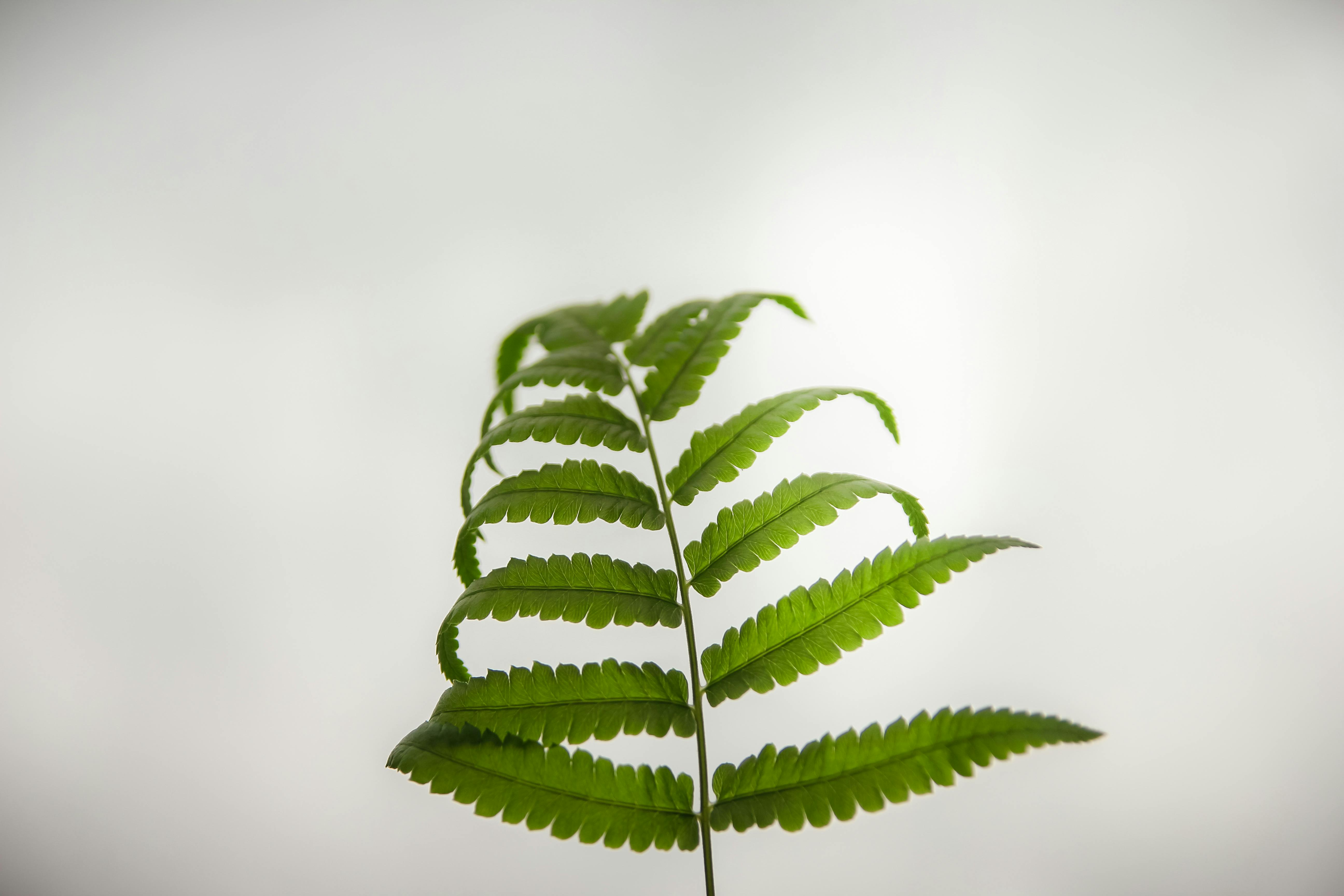
I used to think my north-facing apartment meant I couldn’t keep plants. Then my ZZ plant and pothos proved me wrong. North facing window plants can thrive—you just need to pick the right species, keep them close to the glass, and water with a lighter hand because the soil dries slower.
North Facing Window Plants: Low-Light Houseplants That Thrive
North windows in North America usually provide steady, gentle light with little direct sun. That’s great for some plants and “slow mode” for others, especially in winter.
What north light is like (so you choose wisely)
North light is often bright enough to read by, but without sunbeams. In winter, it can become quite dim. For a broad baseline on indoor light placement concepts, I often start with the Royal Horticultural Society and then adjust based on how close the plants are to the glass.
My most reliable north window plants
- ZZ plant (including ‘Raven’)
- Snake plant (‘Laurentii’, ‘Moonshine’)
- Pothos (‘Golden’, ‘Jade’)
- Heartleaf philodendron
- Cast iron plant (Aspidistra)
If you want a deeper dive on one of the best low-light picks, see ZZ plant low light.
Setup tips that make north windows work
I keep plants within 1–3 feet of the window, rotate weekly, and wipe dust off leaves. I also avoid overpotting; large pots stay wet longer. If you’re choosing containers for low light, see best pots for indoor plants.
Watering changes in north light
Because light is lower, plants use water slowly. I check moisture, but I water less often than I would in a brighter exposure. For practical, climate-aware indoor growing fundamentals, cooperative extension resources like University of Minnesota Extension are a helpful reference point.
When I add a grow light
In winter (especially zones 4–7), I often supplement with an LED on a timer to prevent stretching and keep growth steady. Climate varies widely across North America; the USDA Plant Hardiness Zone Map is a quick reminder of how different winter conditions can be from region to region.
Common Mistakes
- Putting plants deep in the room (light drops fast)
- Overwatering because the top soil looks dry
- Expecting fast growth year-round in low light
- Choosing high-light plants like many succulents without extra light
- Not rotating plants (leaning happens)
- Ignoring winter light drop
Quick Reference Care Table
| Plant | Why It Works | Watering Note | Growth Speed |
|---|---|---|---|
| ZZ plant | Low-light tolerant | Water rarely | Slow |
| Snake plant | Drought-tolerant | Let soil dry | Slow |
| Pothos | Adaptable vine | Moderate dry-down | Medium |
| Philodendron | Flexible foliage | Don’t keep soggy | Medium |
FAQ
Can succulents live in a north window?
Usually not happily without extra light. If you love succulents, I’d add a grow light for most north-facing setups.
How close should plants be to the window?
I aim for 1–3 feet. Beyond that, light often drops enough to slow growth significantly.
What if my north window is heavily shaded?
Then it’s true low light. Choose ZZ, snake plant, or cast iron plant, and consider a grow light if you want anything faster-growing.
North facing window plants can be surprisingly satisfying once you work with the light you have. Tell me what your window faces (open sky vs trees/buildings) in the comments below, and I’ll suggest the best plant picks.

About the Author
Written by Sage Avery, a plant care writer at Plant Companion Guide. For how we create and update content, see our editorial policy.