Overwatered Plant Symptoms Guide
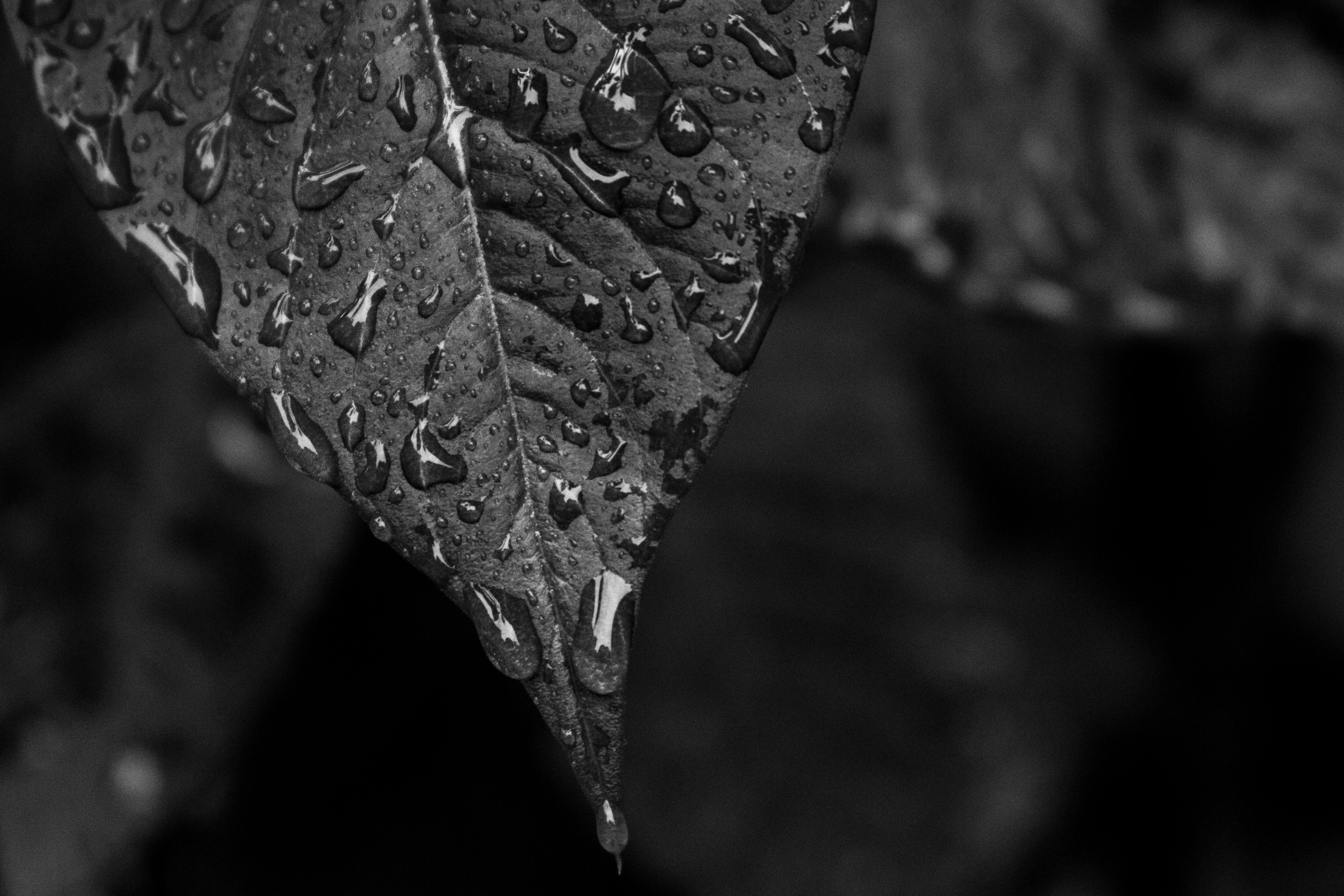
The first time I learned “yellow leaves don’t always mean water,” it saved my monstera. I’d been keeping it in a decorative cachepot in winter (USDA zone 6), and the soil never really dried. Overwatered plant symptoms can look confusing above the soil, but the root zone tells the truth.
Overwatered Plant Symptoms: Signs, Recovery Steps, and Prevention
Overwatering is less about the amount you pour and more about how long roots sit without oxygen. The fix is usually improving dry-down time and airflow, not “watering less forever.”
Above-soil symptoms I actually trust
I watch for yellowing with soft leaves, drooping even though the soil is wet, fungus gnats, and slow growth during the growing season. For a broad baseline on plant health and environmental stress, I often start with the Royal Horticultural Society and then diagnose based on my home’s light and temperature.
Below-soil confirmation signs
If the mix smells sour, stays wet 7–10+ days, or the stem base feels soft, I unpot to check. Healthy roots are firm and light-colored. Rotting roots are dark and mushy.
My recovery steps (in order)
First, I stop watering and move the plant to brighter indirect light so it can use water. Next, I increase airflow (even a small fan nearby). If symptoms persist, I unpot, trim damaged roots, and repot into fresh airy mix. For practical indoor growing fundamentals (especially how environment changes water use), cooperative extension resources like University of Minnesota Extension are a helpful reference point.
Prevention that works long-term
Drainage holes, an airy soil mix, and the right pot size prevent most overwatering issues. If you want help choosing containers, see best pots for indoor plants. If you need to rebuild soil, see houseplant soil mix recipe.
Seasonal note
Winter is the overwatering danger zone in many regions because light drops. If you also summer plants outdoors, climate matters; use the USDA Plant Hardiness Zone Map to understand seasonal timing where you live.
Common Mistakes
- Watering on a weekly schedule year-round
- Letting pots sit in water inside cachepots
- Using dense potting mix in low light
- Taking droop as “more water” without checking soil
- Upsizing pots too much
- Fertilizing a stressed, overwatered plant
Quick Reference Care Table
| Symptom | Soil State | Likely Issue | My First Fix |
|---|---|---|---|
| Yellow + soft leaves | Wet | Low oxygen | Dry down + more light |
| Gnats | Constantly moist | Overwatering pattern | Let top dry + adjust routine |
| Sour smell | Wet | Rot risk | Unpot + inspect |
FAQ
Can an overwatered plant recover?
Yes, especially if you catch it early. Recovery often shows as stable leaves first, then new growth once roots regain oxygen.
Should I let the plant dry out completely?
Sometimes, but not always. I focus on restoring oxygen to roots and fixing the setup (soil, pot, drainage) so it dries predictably.
How long does recovery take?
Often a few weeks, longer in winter. I judge progress by whether decline stops and whether new growth appears once conditions improve.
If you describe your symptoms and how long your soil stays wet in the comments below, I can help you decide whether you’re dealing with simple overwatering or early root rot.

About the Author
Written by Sage Avery, a plant care writer at Plant Companion Guide. For how we create and update content, see our editorial policy.