Overwintering Plants Indoors: Which Outdoor Plants to Bring Inside
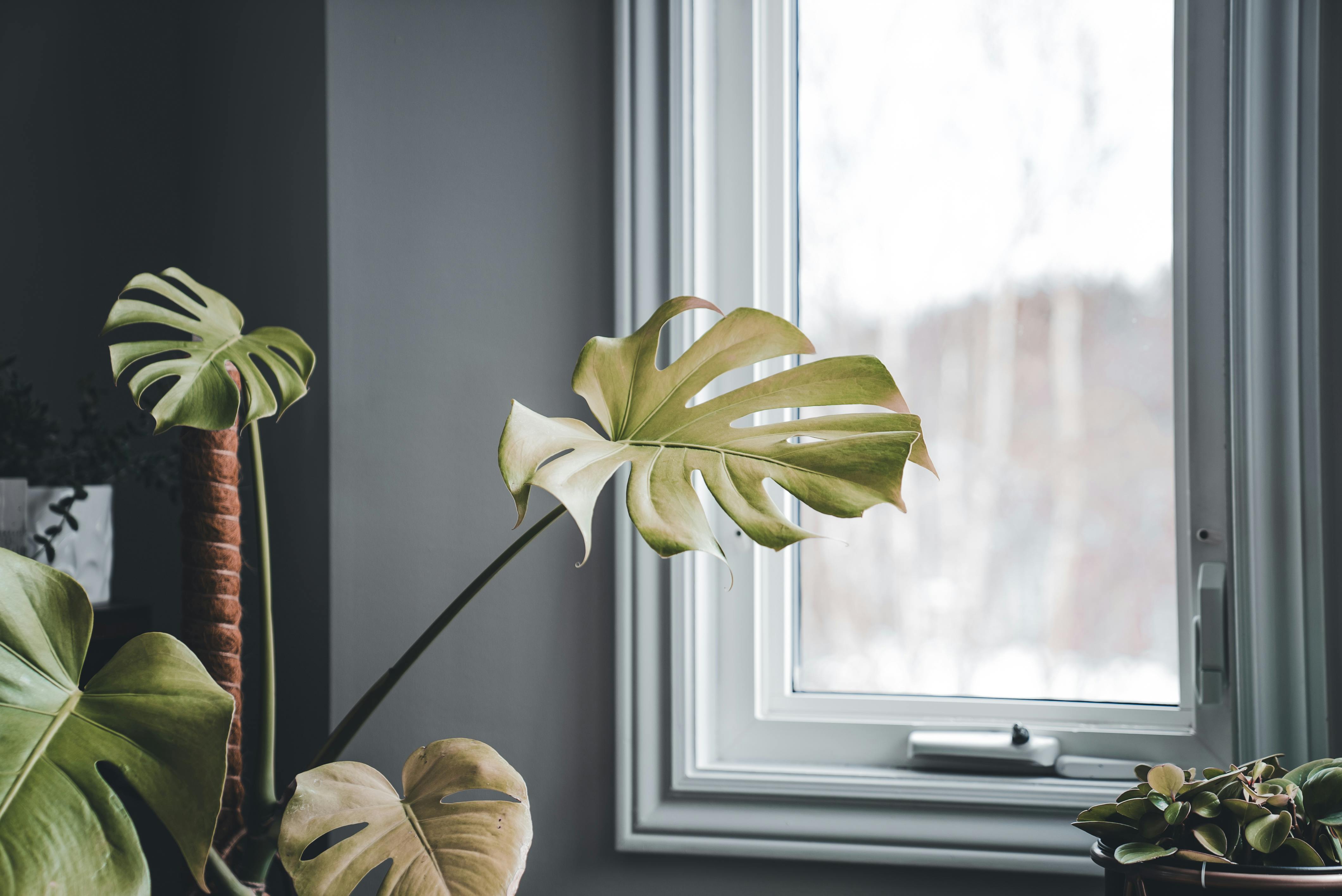
Bringing outdoor plants inside for winter saves plants that would otherwise be lost to frost — and in temperate climates, some of the most spectacular container plants are tropicals that can be overwintered indoors and returned outdoors each summer for dramatic seasonal display. The process isn't difficult, but it requires some preparation and an honest assessment of your indoor space and conditions before you commit to bringing in a large collection.
Which Outdoor Plants Can Overwinter Indoors
The candidates for indoor overwintering fall into several groups. Tropical container plants that are treated as annuals in cold climates but are genuinely perennial: bougainvillea, mandevilla, hibiscus (tropical varieties), elephant ears (Colocasia and Alocasia), caladiums, angel's trumpets (Brugmansia), and fuchsia. These can all be brought indoors before the first frost and kept alive (often dormant or semi-dormant) through winter. Tender perennial herbs: rosemary, lemon verbena, bay laurel, and large basil plants can be overwintered indoors, though their performance is variable depending on light levels. Succulents and cacti grown outdoors in summer simply need to come inside before temperatures drop below 40–50°F (4–10°C) depending on the species.
When to Bring Plants In
The general rule is before the first frost — but bringing plants in a few weeks before that is smarter. Frost kills tender tropicals instantly, but the conditions immediately before frost (soil temperatures dropping, night temperatures below 50°F/10°C) already stress them. Bring tropicals in when overnight temperatures reliably drop below 50°F (10°C). For Mediterranean plants like rosemary and bay laurel, you have a bit more time — they handle light frost if properly established, though prolonged cold does damage them.
Preparation Before Bringing Plants In
Inspect plants carefully before bringing them inside. Outdoor plants frequently harbor pests that would devastate an indoor collection: spider mites, aphids, whitefly, mealy bugs, and scale can all hitch a ride on an otherwise healthy-looking plant. Treat any visible pests with insecticidal soap or neem oil before the plant comes inside. Quarantine new arrivals for two to three weeks in a separate room if possible, or at minimum inspect daily.
Repot if needed: root-bound plants in summer's soil will struggle more indoors. Cut back plants aggressively if they're too large for your available space — many tropicals can be reduced by 50–70% without lasting harm, and the reduced leaf mass makes the transition to lower light less stressful. Prune back dead or dying growth.
Indoor Conditions for Overwintered Plants
Most overwintered tropicals are essentially in survival mode during winter, not growing actively. They need enough light to prevent complete etiolation (growing long and spindly toward any available light), moderate temperatures (ideally above 55°F / 13°C), and significantly reduced watering. Plants that are dormant or semi-dormant use very little water — overwatering dormant plants is a common way to lose them. Water sparingly: check soil before each watering and water only when somewhat dry. Hold fertilizer entirely through winter; resume in early spring when you see new growth.
Light is the main challenge. South-facing windows work for most plants but become insufficient for actively growing tropicals in the depths of winter at northern latitudes. A supplemental grow light for the darkest months — December and January — significantly improves plant quality over winter.
Returning Plants Outdoors in Spring
Acclimate overwintered plants gradually to outdoor conditions — they've been adapted to indoor conditions for months and cannot be placed directly into full outdoor sun without leaf burn. Start with a shaded outdoor location for a week, then move to partial sun, then to their final summer position over two to three weeks. Watch for signs of stress — sudden wilting, leaf scorch — and move back to shade if needed. This transition is often when a winter of marginal care becomes apparent, as plants that were just surviving indoors recover dramatically once outdoor light and temperature levels are restored.
About the Author
Sage Avery is a passionate gardener and plant enthusiast sharing tips for a greener life.