Parlor Palm Care: A Low-Maintenance Indoor Plant Guide for Beginners
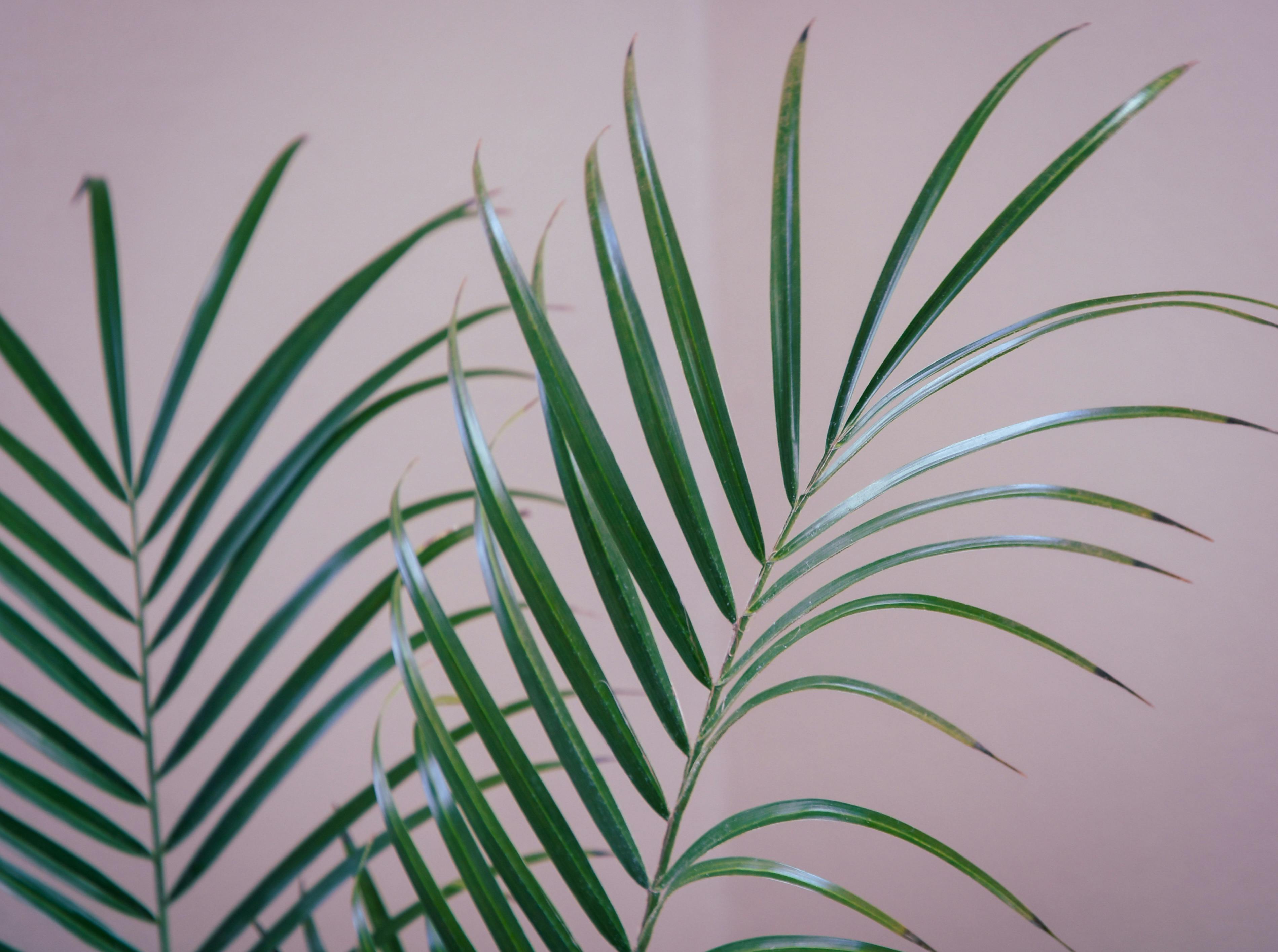
I brought my first Chamaedorea elegans home from a big-box store in a flimsy plastic nursery pot, half-convinced it would follow the pattern of every other plant I'd tried — a few optimistic weeks followed by a slow, mysterious decline. That was four years ago. The parlor palm is still here, now in a terracotta pot on my east-facing bookshelf, still lush and green, and completely unbothered by the imperfect conditions of my apartment. What I've learned is that parlor palms succeed not because you do everything right, but because the plant is genuinely tolerant of what most of us do wrong: slightly inconsistent watering, lower-than-ideal light, and average indoor humidity. If you've struggled to keep any plant alive before, start here.
Why Parlor Palms Are Perfect for Indoor Spaces
Chamaedorea elegans is native to the rainforests of southern Mexico and Guatemala, where it grows as an understory plant beneath the forest canopy. That evolutionary background is what makes it such an exceptional houseplant: it evolved to thrive in dappled, low light and consistent moisture, which mirrors typical indoor conditions better than almost any other palm species. It grows slowly — typically adding just a few new fronds per year — and stays compact, reaching two to four feet at maturity indoors. It won't outgrow your space, doesn't need frequent repotting, and rarely has serious pest problems.
The parlor palm has been a popular indoor plant since the Victorian era, when it was featured prominently in parlors and sitting rooms — hence the common name. NASA's famous Clean Air Study identified it as one of the better air-filtering houseplants, and while the degree of air purification in a typical home environment has been debated, the Missouri Botanical Garden's houseplant resources confirm its excellent indoor adaptability and non-toxicity to both people and pets — a meaningful bonus for households with cats or dogs.
Light and Temperature for Parlor Palms
Parlor palms tolerate a wider range of light conditions than most indoor palms, but they have a clear preference: bright, indirect light. My plant sits on a bookshelf about four feet from an east-facing window, receiving gentle morning sun and bright indirect light for the rest of the day. In this position it maintains good color and pushes out two to three new fronds per growing season.
The plant can survive in medium or even lower indirect light — it's one of the few palms that genuinely tolerates north-facing exposures — but growth will slow considerably and the fronds may take on a slightly yellow-green tone instead of the deep, true green seen in better-lit specimens. Direct afternoon sun through a west- or south-facing window will scorch the frond tips, so avoid placing the plant in direct sun without a sheer curtain buffer.
In terms of temperature, parlor palms prefer 65–80°F (18–27°C) and are sensitive to cold drafts and temperatures below 50°F. In USDA Zones 4–7, keep them well away from exterior doors and drafty windows during winter. They're not frost-tolerant at all and should never be left outdoors when nighttime temperatures drop below 55°F.
Watering and Humidity: Consistent Moisture Without Saturation
Parlor palms prefer soil that stays evenly moist — not soggy, not completely bone dry. I aim to water when the top inch of soil is dry to the touch, which during the active growing season (spring through early fall) works out to every five to seven days. In winter, I extend that to every ten to fourteen days as growth slows and evaporation rates drop with lower light.
Unlike succulents or Mediterranean plants, parlor palms do not like to dry out completely between waterings. Extended drought causes the frond tips to brown and dry out permanently — once the tip browns, it won't recover. Water consistently and don't let the plant sit dry for extended periods. That said, root rot is still possible if the pot has no drainage or if you water far too frequently — always use a pot with drainage holes and allow excess water to escape freely. The Spruce's indoor houseplant watering guidance is a useful reference for building consistent watering habits across different plant types.
Humidity is where parlor palms show their one real preference: they prefer relative humidity of 40–60%. Most North American homes hover around 30–50%, which is adequate. In very dry climates or apartments with forced-air heating, the frond tips may brown despite correct watering — in this case, a small humidifier or regular misting helps. I place my palm near a grouped cluster of other houseplants, which naturally raises local humidity through collective transpiration.
Soil, Feeding, and Repotting
A standard, well-draining indoor potting mix works well for parlor palms. I use a commercial peat- or coco-coir-based potting mix with 15–20% perlite added to improve drainage. Palms generally prefer a slightly acidic to neutral pH (around 6.0–7.0), and standard potting mixes fall within that range without amendment.
Feed sparingly — once in early spring and once in midsummer with a balanced, water-soluble fertilizer at half strength. Parlor palms do not need heavy feeding, and too much fertilizer causes salt buildup that damages the root system and causes tip burn. Never fertilize a stressed or newly repotted plant.
One of the parlor palm's greatest virtues is that it prefers being slightly root-bound and rarely needs repotting — typically every two to three years. When you do repot, move up only one pot size and use fresh potting mix. The plant recovers from repotting slowly, so avoid doing it in fall or winter. For more guidance on choosing the best indoor palms for your home, our comparison guide covers all the popular species. For general repotting technique, see our guide on low-light houseplants for beginners that includes parlor palm comparisons. According to Gardening Know How's houseplant growing resources, avoiding unnecessary repotting is one of the best things you can do for parlor palms specifically, since their root systems are delicate and slow to recover from disturbance.
Common Mistakes with Parlor Palm Care
- Letting the soil dry out completely: Unlike succulents, parlor palms prefer consistent moisture. Allowing the soil to go bone dry causes permanent tip browning that won't reverse.
- Overwatering in winter: Reduce watering frequency significantly when growth slows in winter — the soil dries much more slowly in lower light.
- Trimming brown tips too aggressively: Cutting back into green tissue while trimming brown frond tips stresses the plant. Trim only the dead, brown portion with sharp scissors.
- Direct sun exposure: Even a few hours of direct afternoon sun will scorch frond tips, causing browning that looks like a humidity or watering problem.
- Repotting too frequently or into an oversized pot: Parlor palms prefer snug root conditions. Repot only when clearly root-bound, and move up just one pot size.
Quick Reference Care Table
| Care Factor | Requirement |
|---|---|
| Light | Bright indirect to medium indirect; tolerates lower light; no direct sun |
| Water | When top inch is dry; every 5–7 days growing season, 10–14 days winter |
| Soil | Standard potting mix + 15–20% perlite; slightly acidic to neutral pH |
| Humidity | 40–60% preferred; tolerates average home humidity; brown tips signal dryness |
| Temperature | 65–80°F (18–27°C); keep above 50°F; avoid cold drafts |
| Fertilizer | Balanced liquid at half strength, twice yearly (spring and midsummer only) |
| Repotting | Every 2–3 years; prefers slightly root-bound; one pot size up only |
| Toxicity | Non-toxic to cats, dogs, and humans |
Frequently Asked Questions
Why are the tips of my parlor palm fronds turning brown?
Brown frond tips are the parlor palm's most common complaint and have three main causes: low humidity, inconsistent watering (especially allowing the soil to dry out completely), or tap water fluoride sensitivity. If the rest of the frond remains green and healthy, try increasing watering slightly, boosting humidity with a humidifier or plant grouping, and switching to filtered or distilled water. Existing brown tips won't recover — trim them carefully with clean, sharp scissors, cutting just into the brown portion.
Is the parlor palm safe for households with cats and dogs?
Yes — the parlor palm is one of the few popular indoor palms that is completely non-toxic to cats, dogs, and humans, making it an excellent choice for pet-friendly households. This is in contrast to sago palms (Cycas revoluta), which are extremely toxic and frequently confused with true palms in garden center labeling — always verify the botanical name before purchasing.
How fast does a parlor palm grow indoors?
Parlor palms are slow-growing by nature, adding roughly two to four new fronds per growing season under good indoor light conditions. In lower light, growth may slow to one to two fronds per year. This slow pace is actually an advantage for most indoor spaces — the plant stays compact and manageable for many years without requiring frequent repotting or significant maintenance.
The parlor palm has earned its place as one of the most reliable and genuinely beginner-friendly houseplants available — slow, steady, unfussy, and completely content to grow quietly in the corner of your home for years. If you're ready to explore more options, our roundup of the best indoor palms compares all the popular varieties side by side. And if your parlor palm is thriving in an unexpectedly challenging spot — or if you've figured out how to crack the browning-tips problem — tell us about it in the comments below.

About the Author
Written by Sage Avery, a plant care writer at Plant Companion Guide. For how we create and update content, see our editorial policy.