Peace Lily Yellow Leaves: Causes and Corrections
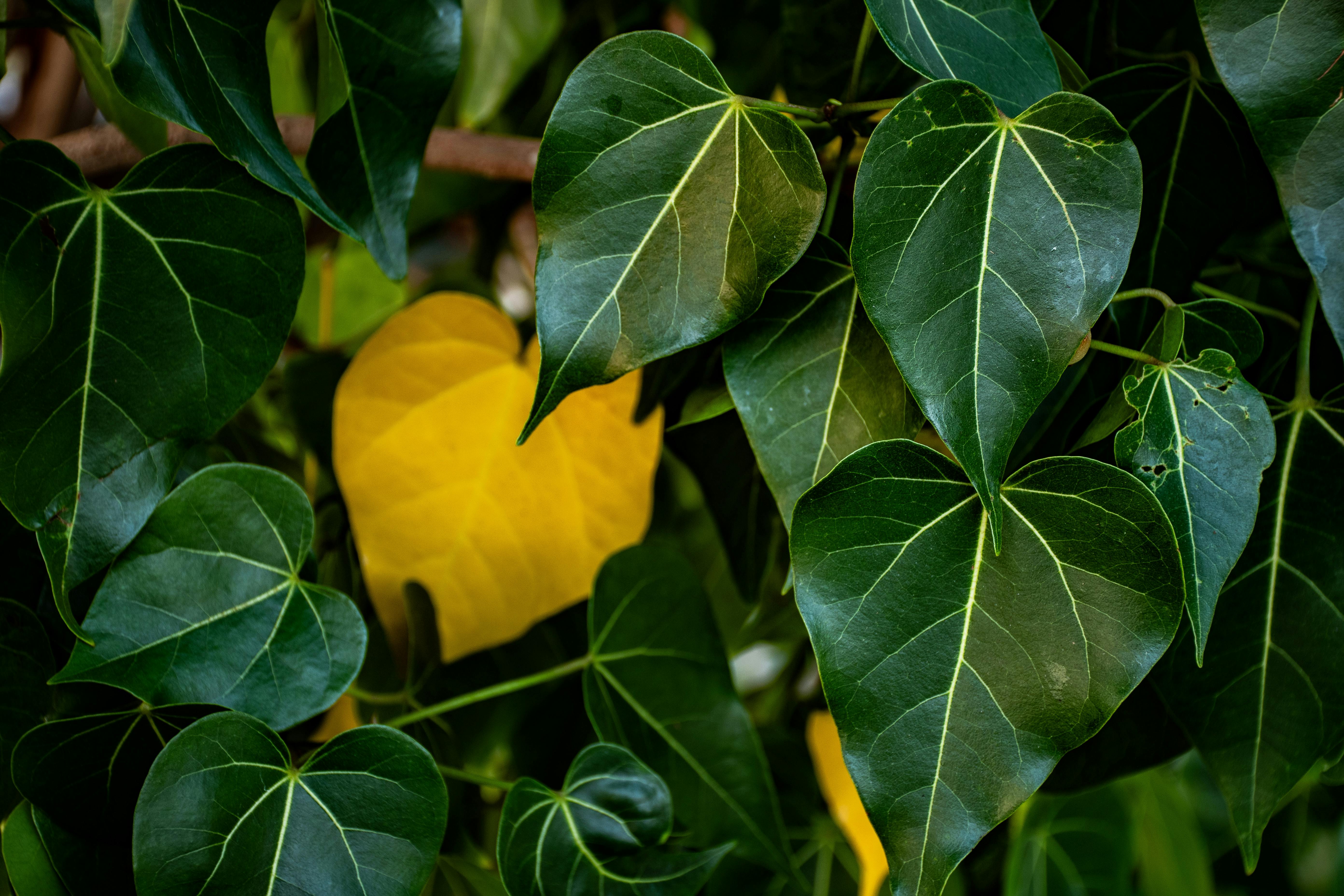
My Spathiphyllum 'Mauna Loa' was the first houseplant I ever felt genuinely proud of — it bloomed reliably every spring and sat beautifully in the low light of my bathroom. So when the lower leaves started turning yellow one by one, I panicked and immediately cut back on watering, convinced I'd been overwatering. I was actually underwatering. The yellowing got worse before I figured out what was really going on, and the lesson I took away is that yellow leaves on a peace lily can have nearly a dozen different causes — and treating for the wrong one makes the problem worse, not better.
Why Peace Lily Leaves Turn Yellow: The Full Picture
Spathiphyllum species are shade-tolerant, moisture-loving tropical plants native to the forest floors of Central and South America. Their leaves function as the primary diagnostic display board for the plant's internal state. Yellow leaves are the most common complaint peace lily owners bring to gardening forums, and they're genuinely tricky because so many different stressors produce the same visible symptom. The most important diagnostic step is figuring out which leaves are yellowing and how they're yellowing — the pattern tells you a great deal.
Overwatering and Root Rot
Overwatering is the most frequently cited cause of peace lily yellowing, and for good reason — it's genuinely common. When soil stays waterlogged, roots can't access oxygen, begin to break down, and can no longer deliver water or nutrients to the leaves. The result is broad, even yellowing that often begins at the lower leaves and works its way upward. Soft, mushy stems at the base are a secondary indicator.
Peace lilies need consistently moist but never saturated soil. The distinction is important: moist means the soil feels damp when you press your finger an inch deep, but water doesn't pool in the saucer or around the roots. Water thoroughly when the top inch of soil feels just dry, then allow the excess to drain completely. The Spruce's houseplant care section provides in-depth guidance on peace lily moisture management that I've found very reliable in practice.
If root rot has developed, repot immediately into fresh well-draining medium after trimming all dark, mushy roots. Adding a small amount of perlite or orchid bark to standard potting mix improves drainage substantially without sacrificing the moisture retention peace lilies prefer.
Underwatering and Inconsistent Moisture
Counterintuitively, underwatering produces yellowing that looks very similar to overwatering in early stages. The distinguishing signs: underwatered peace lilies droop dramatically before any yellowing appears, the soil is bone dry throughout, and leaf yellowing tends to appear alongside browning at the tips. Overwatered plants often yellow without drooping first, and the soil stays wet.
Peace lilies don't like to fully dry out the way succulents do. They evolved in consistently humid, moist rainforest conditions — letting the soil dry completely stresses the root system and causes the plant to drop lower leaves as a conservation response. Water whenever the top inch of soil is dry, and don't let the plant sit in drought for more than a day or two once it reaches that point.
Lighting Stress: Too Much or Too Little
Peace lilies are among the best true low-light houseplants, but there's still a range within which they thrive and a range in which they struggle. Too much direct sunlight — especially harsh afternoon sun — bleaches leaves toward yellow-green or produces scorch spots within yellow tissue. Too little light slows growth and causes older leaves to yellow and drop as the plant struggles to maintain its foliage in dim conditions.
The ideal position is bright indirect light: near a north- or east-facing window, or a few feet back from a south- or west-facing window screened by a sheer curtain. If your peace lily is in a dim interior room with no natural light, it may survive but will yellow progressively and rarely bloom. A small grow light on a timer can supplement effectively in these spaces. According to Missouri Botanical Garden's plant care guides, Spathiphyllum thrives in low to moderate indirect light and is sensitive to direct midday sun exposure, which is one of the most common sources of leaf burn and yellowing in indoor settings.
Nutrient Deficiency: Nitrogen and Iron
If your light and watering are correct and leaves are still yellowing, nutrient deficiency is the next suspect. Peace lilies are moderate feeders — they don't need heavy fertilization, but they do need regular light feeding during the growing season. Nitrogen deficiency causes a uniform, generalized yellowing that starts with older leaves. Iron deficiency (chlorosis) is more specific: new leaves emerge yellow-green with visible darker veining, because iron is necessary for chlorophyll production.
A half-strength balanced liquid fertilizer (20-20-20 or similar) applied every six to eight weeks from spring through late summer is sufficient for most peace lilies. If you suspect iron chlorosis, a water-soluble iron chelate supplement can correct it within two to three weeks. Always flush the soil (see our guide on how to flush houseplant soil) before resuming fertilization if you haven't done so in more than a year — salt buildup blocks nutrient uptake even when nutrients are present. Gardening Know How's peace lily care guides offer a comprehensive breakdown of fertilization schedules and deficiency symptoms for Spathiphyllum specifically.
Natural Leaf Aging and Other Causes
Before diagnosing a serious problem, consider whether the yellowing might be natural. Peace lilies regularly shed their oldest, lowest leaves as part of normal growth. If one or two leaves at the very base are yellowing while the rest of the plant looks healthy, green, and continues to produce new growth, this is entirely normal. Simply remove the aging leaves cleanly at the base.
Other causes of yellowing include: temperature stress (cold drafts, air conditioning vents, or temperatures below 55°F), tap water fluoride or chlorine sensitivity (peace lilies are notoriously sensitive — use filtered, rain, or distilled water when possible), and overfertilization, which causes a very different pattern — brown leaf tips followed by overall yellowing from fertilizer burn. Root-bound plants can also yellow once the root system becomes too crowded to absorb nutrients efficiently.
Common Mistakes When Dealing With Yellow Peace Lily Leaves
- Treating for overwatering when the problem is underwatering: Check soil moisture carefully before assuming overwatering is the cause.
- Removing yellow leaves before diagnosing: Yellow leaves carry diagnostic information. Identify the pattern before pruning.
- Using cold tap water: Fluoride and chlorine sensitivity is real in peace lilies. Let tap water sit 24 hours before use, or switch to filtered water.
- Placing near heating or cooling vents: Dry hot or cold air from HVAC systems is a very common and overlooked cause of peace lily leaf yellowing and browning.
- Overfertilizing to compensate for yellowing: More fertilizer won't fix a watering or light problem and can make salt buildup worse.
Quick Reference Care Table
| Care Factor | Ideal Condition | Yellowing Pattern Caused |
|---|---|---|
| Water | Consistently moist; never saturated or bone dry | Broad yellowing from base up (overwater); drooping + yellowing (underwater) |
| Light | Bright indirect; near north or east window | Bleached or scorch yellowing (too much); progressive lower-leaf yellowing (too little) |
| Fertilizer | Half-strength balanced feed every 6–8 weeks, spring–summer | Uniform old-leaf yellowing (deficiency); tip burn then yellowing (excess) |
| Water Quality | Filtered or distilled; room temperature | Brown tips with yellowing at margins (fluoride sensitivity) |
| Temperature | 65–85°F; away from vents and drafts | Patchy or edge yellowing from cold stress |
| Humidity | 50–60% RH ideal | Brown tips leading to progressive yellowing in very dry air |
Frequently Asked Questions
Should I remove yellow leaves from my peace lily?
Yes, once you've diagnosed the cause and begun correcting it, remove yellow leaves at the base with clean scissors. Yellow leaves won't regreen and they can harbor fungal pathogens if left to decay on the plant. Removing them also redirects the plant's energy toward new, healthy growth.
How long does it take for a peace lily to recover from yellowing?
Recovery speed depends on the cause and severity. Minor water or fertilizer corrections show results in four to six weeks via improved new growth. Root rot recovery can take two to four months. The key indicator of recovery is new, green leaves emerging — the existing yellow leaves will not regreen regardless of how well the plant responds.
My peace lily has yellow leaves but is still blooming — is it seriously stressed?
A peace lily that continues to bloom despite some yellowing is generally experiencing moderate rather than severe stress. Blooming requires significant energy, so the plant is at least partially functional. Focus on the diagnostic checklist — most likely you're dealing with natural leaf aging, a mild watering inconsistency, or tap water sensitivity, all of which are very correctable.
Yellowing peace lily leaves are a puzzle, but one with a finite number of solutions. Work through the checklist systematically — moisture first, light second, nutrition third — and you'll almost always find the answer within one of those three areas. What fixed the yellow-leaf problem on your peace lily? Leave your experience in the comments — it genuinely helps other growers. And check out our companion post on complete peace lily care from repotting to blooming.

About the Author
Written by Sage Avery, a plant care writer at Plant Companion Guide. For how we create and update content, see our editorial policy.