Pepper Companion Plants: Deter Pests and Boost Yields
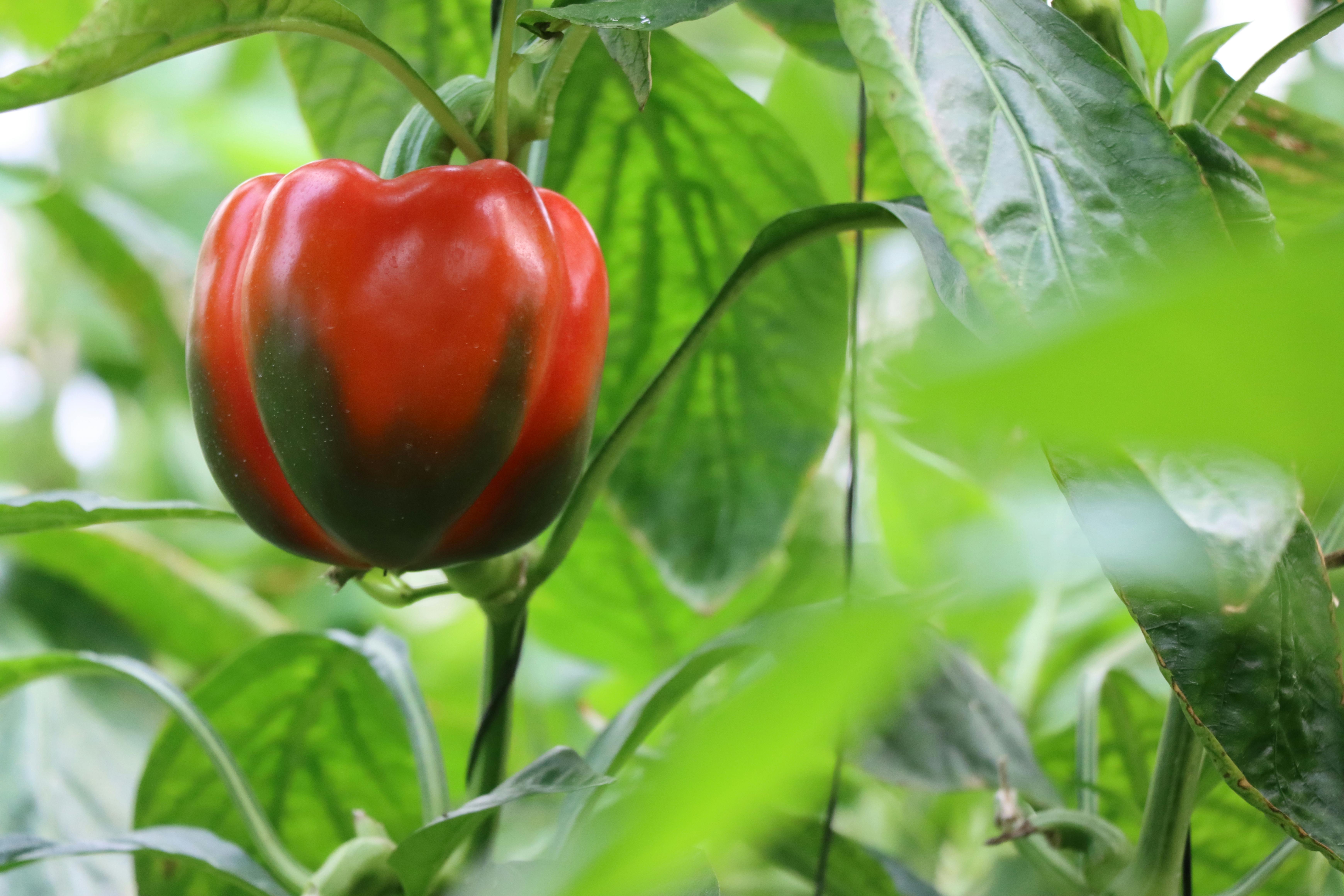
I started companion planting peppers after a particularly devastating aphid infestation wiped out half my 'Shishito' crop in June. I'd planted rows of peppers in isolation, and without natural predator habitat or scent-based confusor plants nearby, the aphids had an all-you-can-eat situation with no interference. The following year I interplanted with basil, marigolds, and carrots, left a strip of flowering dill at the bed edge, and while I can't claim the aphid pressure disappeared entirely, it was dramatically less severe and my beneficial insect populations (particularly ladybugs and lacewings) were noticeably higher. Companion planting isn't magic — it's ecology applied at garden scale.
The Best Companion Plants for Peppers
Basil is perhaps the most widely recommended companion for peppers (and tomatoes), and there is some evidence beyond folklore for its pest-repelling effect. Basil's volatile oils — particularly linalool and eugenol — have been shown to repel aphids, spider mites, and thrips when the plant is in proximity to its neighbors. Grow basil between pepper plants or at the bed edges. The dual benefit is obvious: a pest-repelling plant that also produces prolific harvests for the kitchen.
Marigolds (Tagetes patula and T. erecta) are the most evidence-backed companion planting choice available. Their roots produce a compound called alpha-terthienyl that suppresses nematode populations in the soil — a genuine, research-supported mechanism. Marigold flower production also attracts beneficial insects, including parasitic wasps that prey on caterpillars and whiteflies. Plant densely around the pepper bed perimeter for maximum effect. According to The Old Farmer's Almanac's companion planting resources, marigolds are among the few companion plants with robust scientific support for nematode suppression, particularly effective when grown for a full season in infested soil.
Carrots interplanted with peppers utilize vertical space efficiently — carrots occupy below-ground space while peppers develop above. They don't compete significantly for nutrients and carrots' feathery foliage attracts predatory wasps and other beneficial insects. Parsley similarly attracts predatory insects and can be allowed to flower late in the season for maximum beneficial insect impact. Spinach and lettuce as understory companions under pepper plants utilize the partial shade created by the pepper canopy in summer heat, reducing bare soil (which warms and dries rapidly), suppressing weeds, and making efficient use of the growing space.
Flowering Companions for Pollinator Attraction
Peppers are self-pollinating but benefit from vibration pollination — the physical vibration of a bee landing on the flower shakes pollen onto the stigma more effectively than wind alone. A diverse, flowering border around your pepper bed attracts more bee species and dramatically increases fruit set. Excellent flowering companions include: nasturtiums (also act as aphid trap crops — aphids preferentially colonize nasturtiums over peppers), borage (attracts bumblebees and repels tomato hornworm moths), dill and fennel when allowed to flower (essential for supporting parasitic wasp populations), and zinnias (attract a broad range of pollinators and beneficial insects throughout the growing season). University of Minnesota Extension's integrated pest management resources document the role of flowering companion plants in maintaining beneficial insect populations in vegetable gardens.
Plants to Keep Away From Peppers
Several plants are poor companions for peppers due to competition, allelopathic effects, or shared disease and pest vulnerabilities. Fennel as a mature plant (not just in flower) is generally incompatible with most vegetables, including peppers — it produces chemicals that inhibit the growth of many neighboring plants and is best grown in a separate area of the garden. Brassicas (cabbage, broccoli, kale) can compete with peppers for nutrients and may share some pest populations. Apricots and other stone fruits near peppers create conditions favorable for the same fungal diseases. Do not plant other nightshade family members (tomatoes, eggplant, potatoes) directly adjacent to peppers — they share disease vulnerabilities including bacterial wilt, early blight, and pepper mosaic virus. Rotating nightshade family members collectively helps reduce disease buildup in the soil. For lettuce companion planting details, visit our lettuce companion guide, and for related spacing strategies, see our square foot gardening guide.
Common Mistakes to Avoid
- Expecting companion planting to replace pest management entirely: Companions reduce pest pressure and support beneficial insects but don't eliminate pests. Combine with monitoring and intervention when needed.
- Growing fennel near peppers: Mature fennel is allelopathic to peppers and most other vegetables. Keep it isolated.
- Planting tomatoes and peppers directly adjacent: Shared disease vulnerability is the primary risk. Leave at least two to three feet between nightshade family members, and practice rotation between seasons.
- Only planting one companion type: Diversity maximizes ecological effect. Combine basil, marigolds, and flowering companions for multi-layered pest management.
- Using non-native marigolds that don't reseed: Plant annual Tagetes varieties rather than calendula (pot marigold) for nematode suppression — the nematode-repelling compounds are specific to Tagetes species.
Quick Reference Pepper Companion Planting Table
| Plant | Benefit | Avoid |
|---|---|---|
| Basil | Repels aphids, spider mites; kitchen crop | No known incompatibilities |
| Marigolds (Tagetes) | Nematode suppression; beneficial insect attraction | No known incompatibilities |
| Carrots | Space efficiency; beneficial insect habitat | No known incompatibilities |
| Nasturtiums | Aphid trap crop; pollinator attraction | No known incompatibilities |
| Spinach/Lettuce | Ground cover; reduces weeds; uses shade | No known incompatibilities |
| Tomatoes | — | Shared disease; keep separated |
| Fennel | — | Allelopathic to most vegetables |
Good Companions vs. Companions to Avoid
| Plant | Good Companions | Companions to Avoid |
|---|---|---|
| Peppers | Basil, marigolds, carrots, parsley, nasturtiums, spinach, borage, dill (flowering), zinnias | Fennel, tomatoes (adjacent), brassicas, apricots |
Frequently Asked Questions
Do companion plants really work, or is it mostly folklore?
The evidence is mixed and varies by specific combination. Some companions have genuine scientific support: marigolds' nematode suppression via Tagetes-specific compounds, basil's volatile oils and their aphid-deterrent effects, and flowering companions' role in supporting beneficial insect populations are all backed by research. Others are largely anecdotal. The most scientifically reliable approach is using companions as one component of an integrated pest management strategy rather than a standalone solution. Even planting diversity, regardless of specific combinations, creates habitat for beneficial insects that provides measurable pest control benefits.
How close should companion plants be to peppers?
For basil, plant directly between or at the base of pepper plants — six to twelve inches of spacing is appropriate. Marigolds work at the bed perimeter but are more effective when planted throughout the bed at two to three plants per pepper. Nasturtiums as trap crops should be slightly separated (one to two feet away) from the peppers you want to protect — they're designed to attract aphids away from peppers. Flowering companions like dill and fennel work well at bed edges where they don't compete for space with main crops.
Can I companion plant peppers in containers?
Yes. A large container (at least five gallons) can support one pepper plant with basil planted at the base. The basil utilizes the space at the pepper's root zone without significant competition and provides its aromatic volatile oil benefit in the immediate microenvironment. Ensure the container is large enough that both plants have adequate root space, and fertilize more frequently than in-ground planting, as containers deplete nutrients faster.
Companion planting transforms a garden from a monoculture into a functioning ecosystem. Even a few strategic additions around your pepper bed can meaningfully reduce pest pressure and support the beneficial insects that do so much of the pest management work for free. Drop your companion planting questions in the comments below.

About the Author
Sage Avery is a passionate gardener and plant enthusiast sharing tips for a greener life.