Philodendron Care: An Easy Beginner Routine for Healthy Indoor Growth
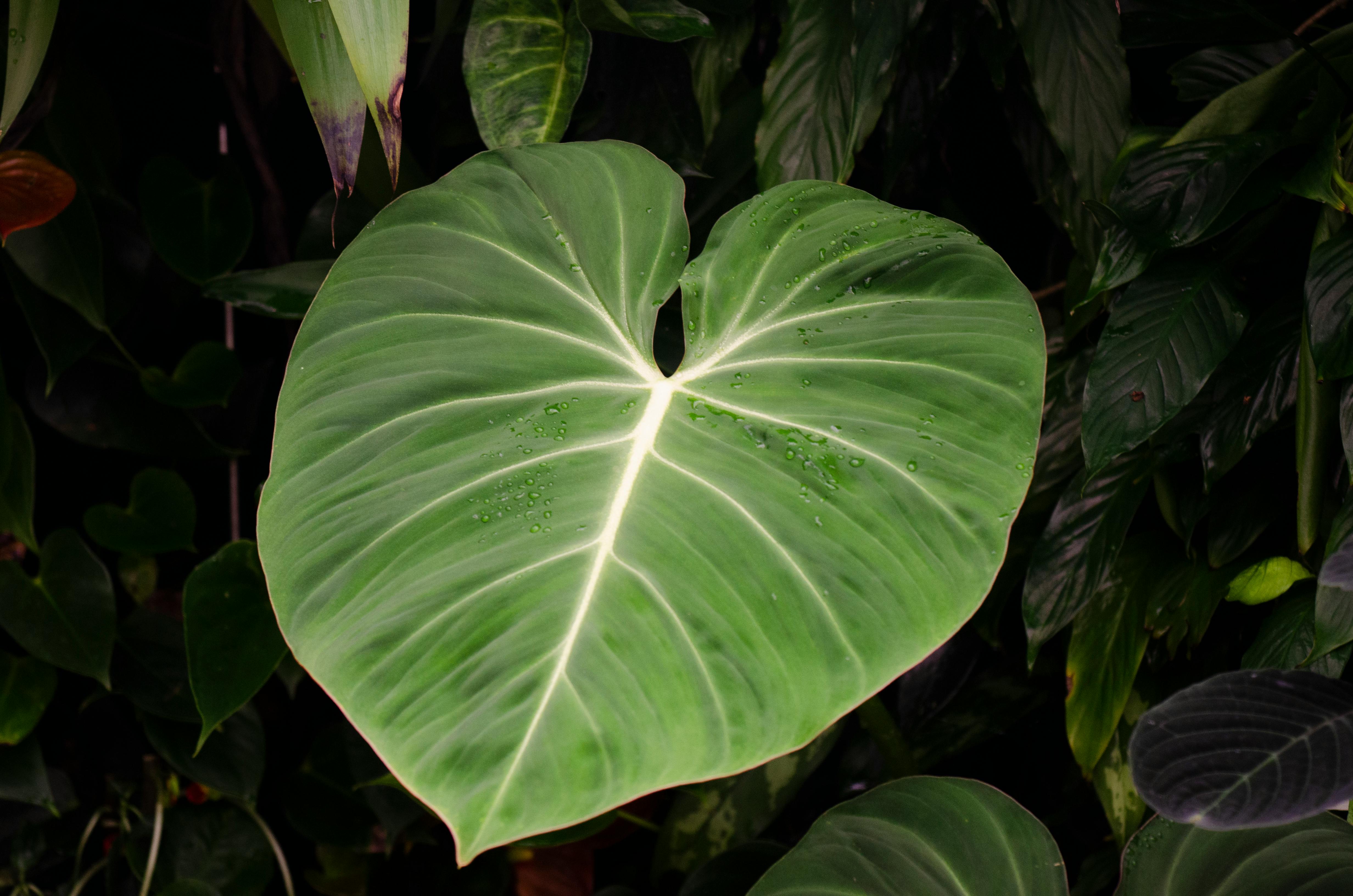
My first philodendron came home from a grocery store clearance rack — a bedraggled heart-leaf variety in a plastic nursery pot sitting in a puddle of its own root rot. I repotted it into a ceramic bowl with no drainage, tucked it into a dim hallway corner, and watered it on a strict Sunday schedule whether the soil was dry or not. By week three it was a yellow, mushy mess. That same cultivar — Philodendron hederaceum — now trails four feet across my mantel, and I've since added a Brasil, a Birkin, and a gloriosum to my collection. Philodendrons are genuinely forgiving plants, but there's a short list of fundamentals that separate a thriving specimen from one that merely hangs on.
Understanding the Philodendron Family
Philodendrons belong to the family Araceae and include several hundred species spanning two main growth habits: climbing and trailing types like hederaceum and Brasil, and self-heading types like Xanadu and Congo that grow upright without needing support. Both groups thrive under similar indoor conditions, but climbers are more tolerant of inconsistent care, making them the best entry point for beginners.
Native to tropical Central and South America, these plants evolved on forest floors where light filters through a canopy overhead. That background translates directly to indoor growing — they want bright, diffused light, consistent warmth, and a soil that drains freely between waterings. According to the Missouri Botanical Garden's houseplant growing resources, philodendrons are among the most adaptable foliage plants for indoor environments in North America, tolerating a wider range of light and humidity conditions than most other tropical genera.
Newer cultivars like 'Pink Princess' and 'White Wizard' have become popular in recent years, but their care requirements are virtually identical to the classic heart-leaf. Start with hederaceum, learn its rhythms, and you'll have no trouble expanding your collection.
Light Requirements: Bright Indirect Is the Sweet Spot
Philodendrons prefer bright, indirect light — think four to six feet from a south- or east-facing window, or right in front of a north-facing window during summer months. My Brasil sits five feet back from a south-facing window behind a sheer linen curtain and pushes out a new leaf every ten to fourteen days during the growing season. In the same apartment, my gloriosum sits under a full-spectrum LED grow light on a 14-hour timer during winter months and has nearly doubled in size since October.
What philodendrons cannot handle is extended direct afternoon sun — the leaves bleach, develop crispy brown patches, and the whole plant looks washed out within days. On the other end, very low light slows growth dramatically and causes etiolation: stems stretch long and thin, reaching toward any available light source, and new leaves emerge small and widely spaced. If your philodendron is vining faster than it's leafing, move it to a brighter spot.
A Note on Grow Lights in USDA Zones 4–6
If you're growing in USDA Zones 4–6, your winter daylight hours may drop below what philodendrons need to maintain active growth. A basic LED grow light mounted 12–18 inches above your plant on a timer prevents winter dormancy and keeps the plant producing through the coldest months. I run mine from October through March with excellent results.
Watering: The "Almost Dry" Method That Actually Works
The most reliable philodendron watering method I've tested over three years is what I call the "almost dry" approach: water thoroughly when the top 1–2 inches of soil feel completely dry to the touch, then allow all excess to drain freely from the pot's drainage holes. Never let the pot sit in a saucer full of water, and never water on a fixed calendar schedule without checking the soil first.
During the active growing season — spring through early fall — my philodendrons typically need water every seven to ten days. In winter, when growth slows and the apartment cools slightly, that stretches to every fourteen to twenty-one days. Gardening Know How's houseplant care guidance emphasizes that seasonal adjustment in watering frequency is one of the most overlooked factors in indoor plant health — and I've found that to be completely true.
Reading the Signs: Overwatering vs. Underwatering
- Overwatering: Yellow lower leaves, soggy soil that stays wet for more than ten days, mushy stems near the base
- Underwatering: Drooping, wilting leaves that perk back up quickly after a thorough drink, dry soil pulling away from pot edges
- Root rot: Dark, mushy roots with a sour smell when you unpot the plant — act immediately by trimming affected roots and repotting in fresh, dry mix
Soil, Repotting, and Fertilizing
A well-draining, airy potting mix is non-negotiable. My go-to formula is two parts standard peat- or coco-coir-based potting soil, one part perlite, and a small handful of orchid bark chunks. This combination holds enough moisture to keep roots happy between waterings while draining fast enough to prevent the saturation that leads to rot. Dense, heavy garden soils or straight potting mixes designed for outdoor use compact over time and should be avoided entirely.
Philodendrons are moderate feeders. During the growing season I apply a balanced liquid fertilizer — 10-10-10 or 20-20-20 — diluted to half the recommended strength, once per month. Fertilizing stops completely in fall and doesn't resume until I see active new growth return in spring. Over-fertilizing causes salt accumulation in the soil, which burns root tips and causes the brown leaf edges that many beginners mistake for a humidity problem. For more detail on choosing the right potting mix for tropical houseplants, our full guide walks through every common option.
Repot every one to two years, or when roots circle the bottom of the pot or push out of drainage holes. Move up only one to two pot sizes at a time — a pot that's too large holds excess moisture around the roots and dramatically increases your rot risk.
Humidity and Temperature
Philodendrons prefer indoor temperatures between 65–85°F (18–29°C) and relative humidity above 40%. Most North American homes fall within the 30–50% range, which is adequate for most species. If you're growing high-humidity lovers like gloriosum or melanochrysum, they reward levels above 60% with noticeably larger leaf fenestration and deeper color.
I run a small ultrasonic humidifier near my plant shelf from November through March when forced-air heating drops indoor humidity below 30%. Grouping plants together also raises local humidity naturally through transpiration — a low-effort trick that genuinely works. The Spruce's indoor houseplant care section offers additional strategies for managing humidity in dry-climate homes and apartments that are worth reviewing if you're in an arid region.
Common Mistakes with Philodendron Care
- Watering on a fixed schedule: Soil drying time varies with season, pot size, and light level. Always check before you water.
- Using a pot without drainage: Every philodendron pot must have drainage holes. Decorative cachepots are fine — just empty the excess water after each watering.
- Placing in cold drafts: Windowsills that get cold drafts in winter can damage philodendrons. Temperatures below 55°F cause stress, yellowing, and slowed growth.
- Fertilizing in winter: Without strong light and active growth, fertilizer salts accumulate and burn roots. Pause completely from November through February.
- Ignoring root-bound signals: A severely pot-bound philodendron stops growing vigorously and starts dropping older leaves. Repot when roots circle the base or exit drainage holes.
Quick Reference Care Table
| Care Factor | Requirement |
|---|---|
| Light | Bright indirect to medium indirect; no extended direct sun |
| Water | When top 1–2 inches of soil are dry; reduce in winter |
| Soil | Well-draining mix: potting soil + 20% perlite + orchid bark |
| Humidity | 40–60% ideal; tolerates down to 30% |
| Temperature | 65–85°F (18–29°C); avoid drafts below 55°F |
| Fertilizer | Balanced liquid at half strength, monthly, spring through fall only |
| Repotting | Every 1–2 years; increase pot diameter by 1–2 inches only |
| Outdoor USDA Zones | Zones 10–12 only (tropical climates) |
Frequently Asked Questions
Why are my philodendron leaves turning yellow?
Yellow leaves are most commonly caused by overwatering or a pot without drainage. Check whether soil is staying wet for longer than ten days — if so, reduce watering frequency and make sure excess water exits the pot after each session. Yellowing can also result from very low light, cold drafts, or simple shedding of the oldest lower leaves, which is a natural and normal process.
Can philodendrons grow permanently in water?
Yes — trailing types like hederaceum root and grow well in water indefinitely. Use an opaque container to limit algae growth, change the water every one to two weeks, and add a liquid fertilizer diluted to one-tenth the label strength every four weeks to replace the nutrients that soil would normally provide.
How fast do philodendrons grow indoors?
In bright indirect light during the growing season, heart-leaf philodendrons produce a new leaf approximately every one to two weeks. Self-heading varieties like Xanadu grow more slowly, typically adding a new leaf every three to four weeks. Growth slows significantly in winter and in lower-light positions, which is completely normal.
Once you get the watering rhythm and light position dialed in, philodendrons practically take care of themselves — and that confidence carries over to every other tropical plant you add to your collection. Take a look at our guide to the best trailing houseplants for beginners when you're ready to expand your shelfie. And if you've had a near-miss like my clearance-rack rescue, drop your story in the comments below — we'd love to hear how your plant is doing now.

About the Author
Written by Sage Avery, a plant care writer at Plant Companion Guide. For how we create and update content, see our editorial policy.