Pilea Peperomioides Care: Grow and Multiply Chinese Money Plant
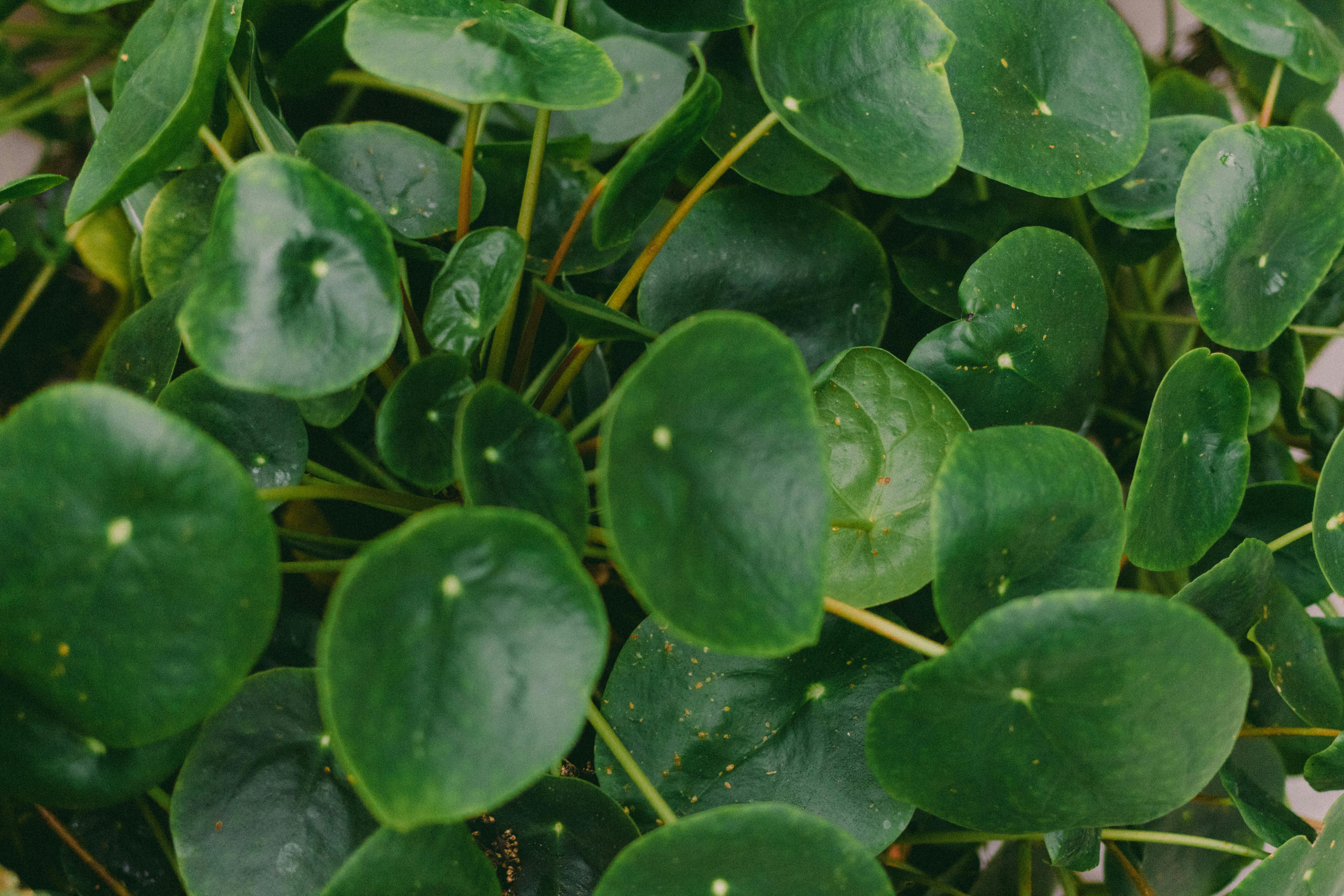
Before Pilea peperomioides became widely available in North American nurseries, I got a cutting from a coworker whose grandmother had grown one for decades — the classic way this plant spread before commercial production caught up. What struck me immediately was how communicative this plant is: it leans toward light with the enthusiasm of a sunflower, produces circular little leaves like a coin collection, and sprouts babies from the soil with generous regularity. The biggest early mistake I made was not rotating the pot, which produced a plant that looked like it was permanently reaching for something just out of frame. Rotate weekly and you'll have a symmetrical, upright specimen that people stop to admire.
Light: Bright Indirect Is the Target
Pilea peperomioides does best in bright indirect light — close to but not in direct sun. Direct midday or afternoon sun will bleach the leaves from their characteristic bright green to a pale, washed-out yellow-green, with potential burn marks appearing as dry, papery patches. An east-facing window with morning sun or a position two to three feet from a south-facing window works well. The plant's notorious leaning habit is a direct response to uneven light — the leaves orient themselves toward the brightest source. Rotating the pot a quarter turn every three to four days produces a plant with balanced, upright growth.
In winter, when available light diminishes in northern states (USDA Zones 3–6), Pilea appreciates being moved slightly closer to the window or supplemented with a grow light. Growth slows significantly in low light but the plant remains healthy. According to Gardening Know How's Pilea care resources, consistent bright indirect light combined with regular rotation is the single most important factor in maintaining an aesthetically pleasing, upright Chinese money plant.
Watering and Soil for Pilea Peperomioides
Pilea peperomioides prefers to dry out moderately between waterings — it's not a succulent, but it has enough water storage in its fleshy stems and petioles to tolerate some drought. Water thoroughly when the top inch or two of soil is dry, roughly every seven to ten days during the growing season. The clearest sign of underwatering is drooping leaves — the petioles lose their characteristic upright stance and the leaves hang limply. Watering thoroughly resolves this within a few hours. The clearest sign of overwatering is yellowing lower leaves combined with persistently wet soil.
Use a well-draining potting mix. A standard mix with 20–30% perlite added provides adequate drainage. Pileas are moderately sensitive to fluoride and chlorine buildup — using filtered water or tap water left overnight reduces tip browning. Terracotta pots aid in preventing overwatering. Fertilize monthly during spring and summer with a balanced liquid fertilizer at half strength; skip fertilizing in fall and winter.
Propagating Pilea Pups for Free Plants
One of the Chinese money plant's most endearing traits is its habit of producing offsets — small plants, called pups or babies, that emerge directly from the soil around the mother plant's base. These are stem-rooted and fully independent organisms that can be separated and potted individually. Wait until a pup has produced at least two or three leaves and stands one to two inches tall before separating. Use a clean, sharp knife to sever the underground stem connecting it to the mother, include as much root as possible, and pot into fresh, moist potting mix. Keep the new pot in consistent moisture (not wet) and bright indirect light for two to three weeks while the pup establishes. A healthy mother plant will produce multiple pups per growing season, making Pilea one of the most generous multiplying houseplants available.
Stem cuttings can also be propagated: cut a stem with a few leaves, allow the cut to callous briefly, and place in water or moist soil. Roots develop in two to four weeks. For propagation method comparison, see our water vs. soil propagation guide. For the basics of growing plants from scratch, visit our growing from seed guide.
Troubleshooting Common Pilea Problems
Curling leaves typically indicate underwatering or very low humidity; the leaves curl inward to reduce water loss through transpiration. Water thoroughly and increase humidity if below 40%. Brown spots on leaves can indicate several things: dry, crispy brown patches suggest sun scorch or very low humidity; dark, wet-looking spots suggest fungal infection from water sitting on leaf surfaces or overwatering. Yellow leaves predominantly on the lower or outer portion of the plant are normal as the plant naturally cycles its oldest leaves; widespread yellowing indicates overwatering or insufficient light. According to The Spruce's houseplant diagnostics resources, Pilea peperomioides is an expressive plant that communicates clearly — the challenge is correctly interpreting what it's saying.
Common Mistakes to Avoid
- Not rotating the pot: Without rotation, Pilea leans dramatically toward the light within weeks. Rotate a quarter turn every three to four days.
- Leaving pups too long before separation: Pups left in the pot too long compete with the mother plant for resources. Separate when they have two to three leaves.
- Watering from above onto the central stem: Water pooling at the stem base can cause rot. Water around the perimeter of the pot or use a watering can with a long, narrow spout.
- Placing in direct afternoon sun: Bleaching and burn appear within days in intense direct sun.
- Repotting too frequently: Pileas perform well slightly root-bound and don't need repotting more than every two years.
Quick Reference Pilea Peperomioides Care Table
| Factor | Ideal Condition |
|---|---|
| Light | Bright indirect; 2–3 ft from south/east window; rotate weekly |
| Water | Top 1–2 inches dry; every 7–10 days growing season |
| Soil | Well-draining potting mix + 20% perlite |
| Humidity | 40–60%; tolerates average household air |
| Temperature | 60–75°F (15–24°C) |
| Fertilizer | Balanced liquid, half-strength, monthly spring/summer |
| Propagation | Separate pups at 1–2 inches tall; stem cuttings in water |
| Toxicity | Non-toxic to cats, dogs, and humans |
Frequently Asked Questions
Why does my Pilea's stem lean so dramatically to one side?
Leaning is Pilea's most characteristic (and occasionally frustrating) response to uneven light distribution. The plant bends its stem to orient its disc-like leaves toward the brightest available light source. Rotate the pot a quarter turn every three to four days consistently for three to four months and the stem will gradually straighten as it grows upright. The existing bent section may not fully correct, but new growth will be noticeably more upright.
When should I repot my Chinese money plant?
Repot when roots are visibly circling the pot bottom, emerging from drainage holes, or when the plant becomes top-heavy and tips over easily. This typically occurs every two years for active, healthy plants. Spring is the ideal repotting time, when the plant is entering its active growth phase and can recover quickly. Go up only one pot size — an oversized pot holds excess moisture and risks root rot.
Is Pilea peperomioides the same as a watermelon peperomia?
No — they're entirely different plants that are sometimes confused because of their similar coin-shaped or round leaves. Pilea peperomioides is a member of the nettle family (Urticaceae) and grows upright on a central stem. Watermelon peperomia (Peperomia argyreia) belongs to the Piperaceae family, grows as a low rosette, and has distinctive watermelon-stripe patterning. Both are excellent houseplants, but their care requirements differ slightly.
Pilea peperomioides is one of those plants that feels like a little gift — it literally produces gifts by making pups you can share with friends. Master the rotation, get the watering rhythm down, and you'll have a plant that's both beautiful and remarkably giving. Drop your Pilea questions in the comments below.
About the Author
Sage Avery is a passionate gardener and plant enthusiast sharing tips for a greener life.