Houseplant Mistakes: 12 Common Problems and Fixes
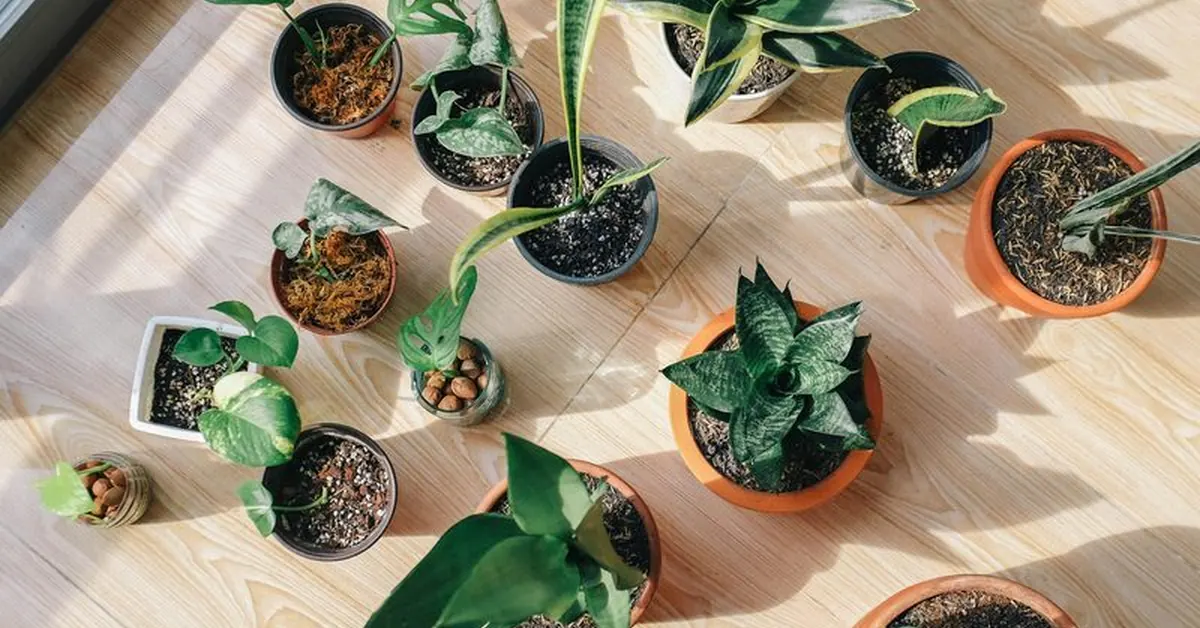
The most damaging houseplant mistakes come from following a routine before checking what the plant and its root zone actually need. Start with four clues: available light, moisture below the surface, drainage, and any recent change. That quick diagnosis prevents the familiar cycle of a yellow leaf, extra water, fertilizer, a new location, and a plant that now has several problems instead of one.
If a plant is declining, change one variable at a time and keep notes for at least several days. Begin with the soil and roots because an overwatered and an underwatered plant can both wilt. Our overwatering vs underwatering guide helps separate those two conditions before you reach for the watering can.
Quick reset
- Identify the plant, then check its species-specific needs.
- Read conditions at leaf level and inside the root ball, not just the room label.
- Correct the underlying condition before cutting, feeding, spraying, or repotting.
- Give the plant time to respond before making another major change.
How to Diagnose a Houseplant Before You Fix It
A symptom is evidence, not a diagnosis. The Iowa State University Extension houseplant diagnosis guide explains that several factors can combine to cause a problem and recommends identifying the primary issue before treating symptoms. A useful order is roots and moisture, light, temperature, then pests. That sequence checks the conditions most often changed by routine care.
| What you see | Check first | Avoid doing immediately |
|---|---|---|
| Several yellow leaves | Moisture at root depth, root firmness, and recent watering | Adding fertilizer before finding the cause |
| Dry brown tips | Watering consistency, salt buildup, humidity, and root crowding | Misting every day as the only fix |
| Drooping foliage | Whether the root ball is dry, saturated, or damaged | Assuming every wilted plant needs water |
| Long gaps between leaves | Usable light at the plant's location | Feeding harder to force compact growth |
| Tiny flies near soil | How long the upper mix stays moist | Treating adults while leaving wet conditions unchanged |
| Sudden leaf drop | Recent moves, drafts, temperature shifts, and root moisture | Changing several conditions at once |
12 Houseplant Mistakes and the Better Move
1. Giving every plant the same care
A snake plant, Dracaena trifasciata, and a Boston fern, Nephrolepis exaltata, do not want the same moisture pattern. Even two plants in the same room may dry at different speeds because their pots, root systems, and leaf area differ. A universal Sunday watering routine ignores all of that.
Better move: Confirm the plant's identity, then write a short care profile with light range, preferred dry-down, and major warning signs. Treat that profile as a starting point rather than a rigid schedule. The RHS houseplant guide emphasizes matching light, temperature, water, and humidity to the plant and the season.
2. Choosing a location for looks instead of light
A bright-looking room can still be dim where the leaves sit. Distance from a window, exterior shade, curtains, and winter day length all reduce usable light. Weak light slows water use and can produce sparse, leaning growth, so it often contributes to watering trouble too.
Better move: Observe the exact location across the day. If growth stretches toward the window or new leaves become smaller, move the plant closer to suitable light in stages. The University of Missouri Extension houseplant guide recommends gradual acclimation when changing light because an abrupt move to stronger sun can injure leaves.
3. Watering by the calendar
Calendar watering is convenient for people but disconnected from plant water use. A pot may dry quickly during warm, bright growth and slowly in a cool, dim week. The University of Illinois Extension watering guide explains that species, environment, and potting medium determine frequency, so one schedule cannot fit every houseplant.
Better move: Check below the surface with a finger or wooden skewer, compare the pot's wet and dry weight, and look through an open drainage hole when possible. Water only when the plant's preferred portion of the mix has dried.
4. Giving small sips or leaving the pot in runoff
Small surface sips may wet only part of the root ball. At the other extreme, water left in a saucer or closed cachepot keeps the lowest roots saturated. Both habits create uneven conditions that are hard to read.
Better move: When the plant is ready, apply water slowly across the surface until excess drains out. Let the pot finish draining, then empty the saucer. If water races down the sides of a very dry root ball, apply it in passes so the medium has time to absorb moisture.
5. Using a pot without a workable drainage plan
A decorative container is not automatically unsafe, but roots should not sit in trapped water. A pot that is much larger than the root ball can also hold a large volume of unused wet mix. The combination of weak light, an oversized pot, and no drainage is especially difficult to manage.
Better move: Keep the plant in a nursery pot with open holes inside the decorative cachepot, or choose a container with a drainage hole and saucer. Remove runoff after watering. See the full guide to houseplant drainage holes and cachepots for safe setups.
6. Assuming all potting mixes behave alike
Dense garden soil can compact in a container, while an old peat-heavy mix may shrink away from the pot or stay wet in the center. Chunky mixes drain faster but may also need closer moisture checks. Ingredients matter less than how the finished mix performs around that plant's roots.
Better move: Choose a clean container medium that balances water retention with air space for the species and your conditions. Watch how long it stays wet after a thorough watering. Our houseplant soil guide explains how bark, coir, perlite, and potting mix change drainage without prescribing one recipe for every plant.
7. Repotting on a date instead of reading the roots
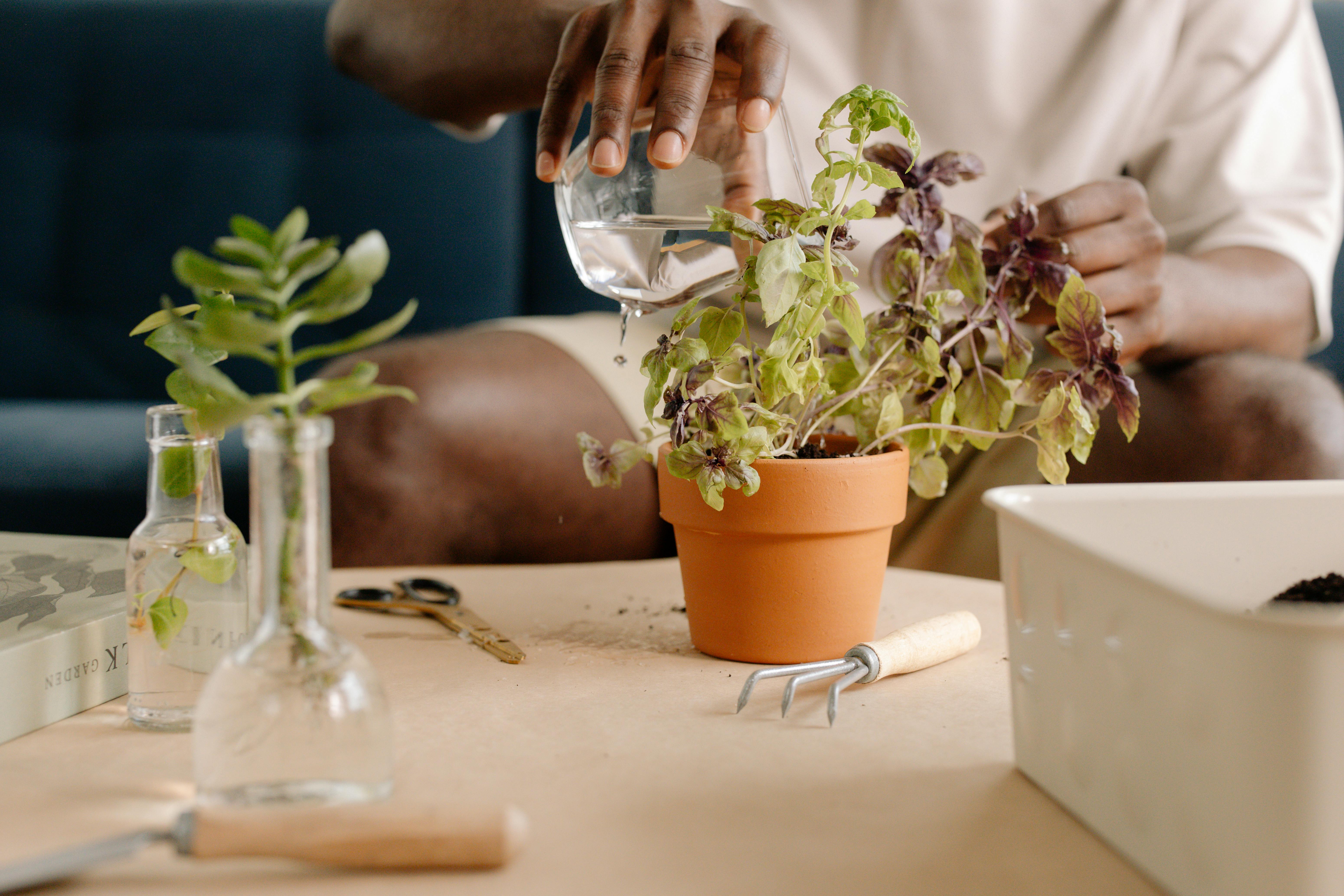
Repotting is useful when the root system has filled the container, the mix has broken down, or the pot no longer drains predictably. It is not a routine cure for every yellow leaf. Disturbing roots while also changing the plant's light and watering can make recovery harder to interpret.
Better move: Look for roots circling densely, emerging from drainage holes, or filling most of the pot. The University of Illinois Extension repotting guide also lists slow growth, smaller new leaves, and repeated wilting as possible signs. If you just brought a plant home, use the post-purchase repotting checklist before disturbing it.
8. Treating fertilizer like medicine
Fertilizer supplies nutrients; it does not repair rotted roots, create light, or reverse drought. Feeding a stressed plant can add salts when the root system is least able to manage them. Pale or slow growth needs a diagnosis before a bottle.
Better move: Feed only a healthy plant in active growth, follow the product label, and account for fertilizer already present in fresh mix. University of Illinois Extension's houseplant care guide advises little or no fertilizer during winter for most houseplants and warns that overfertilizing can burn roots.
9. Using misting as the whole humidity plan
Misting briefly wets the leaf surface, but it does not create steady room humidity. Frequent wetting can also increase disease risk, particularly when air movement is poor. Brown edges may relate to dry air, but they can also follow inconsistent watering, root stress, or soluble salts.
Better move: Measure humidity if the plant is sensitive, keep it away from heating vents, and group plants that share similar needs. Use a room humidifier when a real increase is necessary, while preserving airflow. Do not keep leaves constantly wet.
10. Moving a stressed plant repeatedly
A new location changes light, temperature, airflow, and often watering speed at the same time. Repeated moves make it difficult to tell whether the original correction worked. A cold window at night or a heating vent can also stress leaves even when the room feels comfortable.
Better move: Choose a location based on measured conditions, move the plant gradually when light will increase, and then observe. Keep a simple note with the date, soil condition, and change made. Stable conditions give new growth a fair test.
11. Skipping pest inspection and quarantine
New plants can carry pests or eggs that are easy to miss in a quick shop visit. Once a plant joins a crowded shelf, leaves touch and treatment becomes a collection-wide job. Wet organic debris and persistently damp soil can also support fungus gnat problems.
Better move: Inspect both leaf surfaces, stems, crevices, and the soil line before purchase. The University of Minnesota Extension indoor pest guide recommends isolating new plants for one to two weeks. During that period, check sticky residue, webbing, cottony clusters, bumps, and flying adults.
12. Treating one symptom instead of the whole pattern
Yellow leaves do not automatically mean overwatering, and brown tips do not automatically mean low humidity. Position matters. One old lower leaf fading slowly is different from several new leaves yellowing while the stem base softens. The soil, roots, timing, and distribution of damage provide the context.
Better move: Describe exactly what changed, where it started, and whether the damage is spreading. Photograph the plant, roots, and potting mix. Correct the most likely underlying condition, then wait for new growth to judge recovery. Damaged leaves rarely turn green again, so success usually appears as stable tissue and healthy new leaves.
A Seven-Day Houseplant Recovery Plan
This plan is an observation framework, not a promise that a damaged plant will recover in one week. It limits unnecessary interventions while you collect better evidence.
- Day 1: Identify the plant. Photograph it and record light, soil moisture, pot type, drainage, and the last care change.
- Day 1: Inspect the root zone if the mix is sour, the stem base is soft, or wet soil accompanies collapse. Otherwise, avoid an automatic repot.
- Days 2 to 3: Place the plant in suitable, stable light. Isolate it if pests are possible.
- Days 3 to 6: Monitor moisture and symptoms. Do not fertilize, mist repeatedly, or change locations again.
- Day 7: Compare the record and photos. Stable symptoms are useful progress; new healthy growth may take longer.
Urgent action is still appropriate when roots are black and collapsing, a stem is turning mushy, or a pest population is spreading. In those cases, remove the cause promptly, clean tools between cuts, and keep the plant isolated. For ordinary yellowing or a single damaged leaf, careful observation is usually more useful than a pile of simultaneous fixes.
Frequently Asked Questions
What is the most common houseplant mistake?
Watering on a fixed calendar is one of the most common mistakes. A plant's water use changes with its species, light, temperature, pot, and season. Check moisture below the surface and the pot's weight, then water the full root ball only when that plant is ready.
Should I cut off yellow leaves?
You may remove a leaf after it is mostly yellow, but cutting it does not fix the cause. First inspect soil moisture, roots, light, pests, and recent changes. One aging lower leaf can be normal; several yellow leaves appearing together usually justify a closer diagnosis.
How can I tell if a houseplant is overwatered or underwatered?
Check the root zone before judging the leaves. Dry mix, a light pot, and limp or crisp tissue point toward drought. Wet mix, a heavy pot, soft yellow tissue, odor, or dark roots point toward excess moisture and possible root damage. Similar leaf symptoms can have opposite causes.
Is misting houseplants enough for humidity?
No. Misting briefly wets leaves and does not provide stable room humidity. Excessive misting may also favor disease. If a humidity-sensitive plant struggles, measure the room, group compatible plants, move it away from heating vents, or use a humidifier while maintaining airflow.
Make Fewer Changes and Better Observations
Good houseplant care is less about constant attention and more about accurate observation. Match the plant to the available light, water by root-zone evidence, provide drainage, and treat fertilizer, repotting, and misting as specific tools rather than default fixes. When something changes, document the pattern and adjust one major variable at a time. That steady approach prevents most common houseplant mistakes and makes the next problem much easier to solve.

About the Author
Written by Sage Avery, a plant care writer at Plant Companion Guide. For how we create and update content, see our editorial policy.