Plants That Repel Mosquitoes: What Actually Works
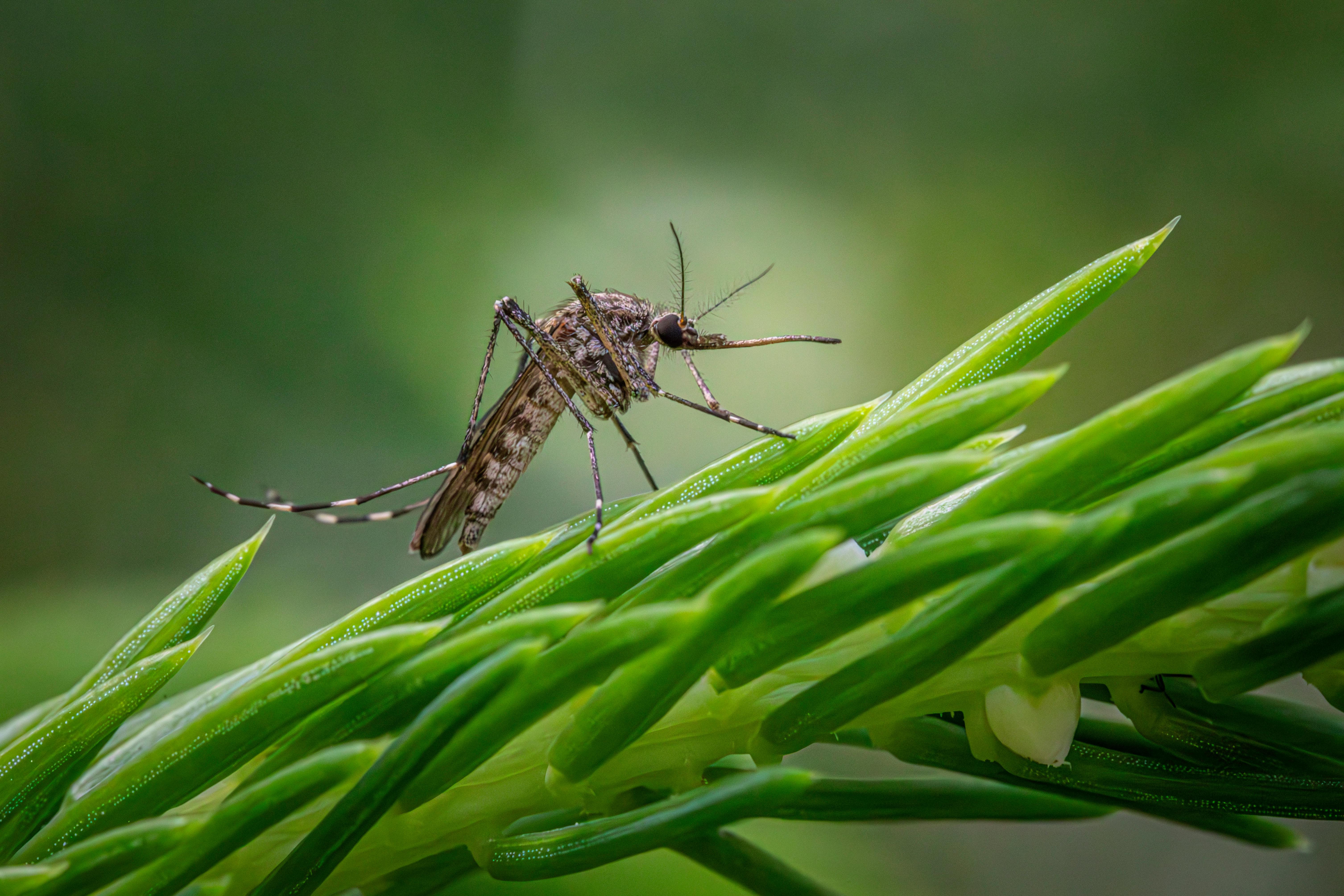
The idea that planting the right herbs and flowers around your home will create a mosquito-free zone is appealing — and partially true, with important caveats. Some plants genuinely contain compounds that mosquitoes dislike and that work as spatial repellents or personal repellents when applied directly to skin. Others are largely myth: their mosquito-repellent reputation far exceeds what the science supports. Here's what research actually shows about which plants work and how to use them effectively.
How Plant-Based Repellents Work
Mosquitoes locate hosts primarily through carbon dioxide (exhaled breath), body heat, and chemical cues including certain body odors. Plant compounds that repel mosquitoes work either by masking these cues or by producing compounds that mosquitoes' chemoreceptors detect as aversive. The key distinction is the difference between a plant growing passively in the garden (releasing trace amounts of volatile compounds) and the extracted or crushed oils from that plant applied directly to skin. In most cases, the repellent effect requires a far higher concentration than an intact, growing plant produces.
Plants with Genuine Repellent Evidence
Citronella (Cymbopogon nardus and C. winterianus): The source of citronella oil, the most widely used plant-based mosquito repellent. As a growing plant, citronella grass releases some repellent compounds but at low levels — studies show that crushed leaves or extracted oil are significantly more effective than an intact plant. Citronella candles are moderately effective in calm, enclosed outdoor spaces. Grow it, crush leaves when outdoors, and consider it a genuine but partial repellent.
Lemon eucalyptus (Corymbia citriodora): The oil of lemon eucalyptus (PMD, or p-menthane-3,8-diol) is one of the few plant-derived compounds with CDC approval as an effective mosquito repellent. Interestingly, it's also one of the few plant-based repellents that approaches the effectiveness of DEET in head-to-head studies. It's available as a commercial repellent spray; growing the tree does not provide meaningful repellent effect.
Catnip (Nepeta cataria): Multiple studies have found that nepetalactone — the compound that makes cats go wild — is a highly effective mosquito repellent when applied to skin, in some studies outperforming DEET in laboratory conditions (though outdoor performance varies more). The compound needs to be extracted or applied by crushing fresh leaves directly on skin; a plant sitting on the patio doesn't create a repellent zone.
The Mosquito Plant: Truth vs. Hype
The plant sold commercially as "the mosquito plant" is a citronella-scented geranium (Pelargonium citrosum). Marketing implies it repels mosquitoes passively — some ads have claimed it creates a repellent zone. Research has not supported this. Multiple studies found no significant reduction in mosquito attraction from the growing plant. The leaves do contain citronella-like compounds and rubbing crushed leaves on skin has mild repellent activity, but as a landscape plant, its effect is negligible. It's a pretty, pleasant-smelling plant, but not an effective mosquito deterrent.
Lavender, Basil, and Peppermint
Lavender, basil, and peppermint are commonly listed as mosquito-repellent plants. All three contain volatile compounds that mosquitoes dislike in laboratory settings. In practice, the concentration released by growing plants is generally too low to provide meaningful outdoor protection. Basil oil applied to skin has shown some efficacy in research; lavender and peppermint have weaker evidence. These are excellent plants to grow for culinary and aesthetic reasons, and crushing leaves and rubbing them on skin before outdoor activities may provide modest, short-duration protection. Don't expect them to protect a whole patio.
What Actually Works
The most effective way to reduce mosquitoes in your garden is to eliminate standing water — their breeding habitat. Even a bottle cap of water supports mosquito development. Birdbaths should be changed every two to three days. Ensure gutters drain properly. Beyond that: DEET-based repellents remain the most thoroughly tested and effective option for personal protection. Plant-based options, particularly PMD (lemon eucalyptus extract) applied directly to skin, offer a genuine alternative. Growing beautiful, fragrant plants around your outdoor spaces is worthwhile for many reasons — just don't rely on them as your primary mosquito control strategy.

About the Author
Sage Avery is a passionate gardener and plant enthusiast sharing tips for a greener life.