Prayer Plant Care: Keep Maranta Moving and Edges Green
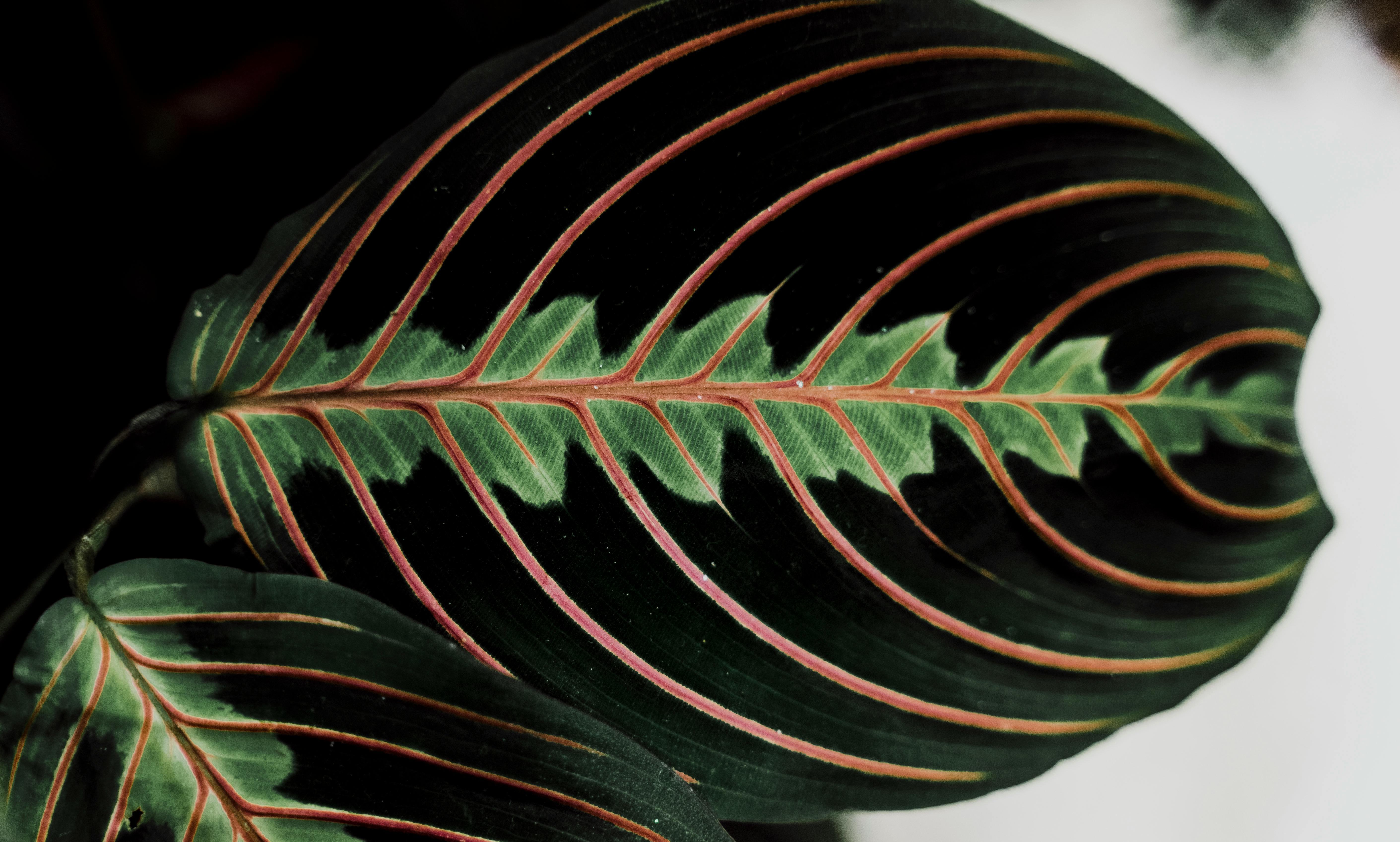
The first time I watched a prayer plant fold its leaves upward at dusk — the slow, deliberate rise of those painted green ovals into a hands-in-prayer position — I was completely hooked. Maranta leuconeura is one of the few houseplants with visible, daily movement, a process called nyctinasty driven by changes in light levels. But I was also battling chronic brown leaf edges that no amount of misting seemed to fix. It took me a growing season to trace the problem to my tap water's fluoride content and the forced-air heating drying my apartment below 30% humidity in winter. Here's what actually works for keeping marantas lush, green, and mobile.
Light: Getting the Balance Right for Maranta
Prayer plants are understory plants native to Brazilian tropical forests, where they receive filtered, dappled light rather than direct sun. Indoors, they perform beautifully in medium to bright indirect light. An east-facing window is nearly perfect — they get gentle morning sun and bright but soft indirect light for the remainder of the day. North-facing windows work for survival but produce slower growth and less vivid patterning. South or west windows require a sheer curtain to diffuse intensity; direct afternoon sun bleaches the distinctive red-veined or herringbone patterning that makes marantas so visually striking.
Interestingly, insufficient light also reduces the nyctinastic movement that makes these plants so entertaining. A prayer plant in adequate light will fold its leaves clearly every evening and unfurl them by mid-morning. One in low light moves sluggishly or barely at all. According to Gardening Know How's tropical houseplant resources, consistent bright indirect light is the most reliable way to maintain both movement vigor and leaf patterning intensity in Maranta species.
Why Your Prayer Plant Has Brown Edges (And How to Fix It)
Brown leaf edges are the most common complaint from prayer plant owners, and they almost always trace back to one of three causes: low humidity, fluoride or salt buildup in the soil, or inconsistent watering. Prayer plants evolved in humid tropical environments and need relative humidity above 50% to maintain crisp leaf margins. Below 40%, the edges begin to brown and crisp regardless of how well you water.
Fluoride sensitivity is a genuine issue for marantas — and many tropical plants. Municipal tap water often contains 0.7–1.2 ppm fluoride, which accumulates in soil and causes marginal leaf burn over time. Switch to filtered water, collected rainwater, or tap water left uncovered overnight to off-gas chlorine (though fluoride requires filtering to remove). Flush the soil monthly with a generous volume of filtered water to clear accumulated mineral salts. The Spruce's houseplant care section recommends this monthly flushing approach for all fluoride-sensitive tropical foliage plants.
Watering and Soil for Prayer Plants
Prayer plants like evenly moist soil — they don't tolerate long dry-out periods the way succulents do, but they also resent sitting in waterlogged medium. Water when the top inch of soil has dried, using filtered or room-temperature water. Cold water from the tap shocks tropical root systems. Ensure the pot drains freely; terracotta pots help regulate moisture, but any well-draining container works. A standard potting mix with added perlite (about 20% by volume) provides the right balance of moisture retention and drainage.
Fertilize monthly during spring and summer with a balanced liquid fertilizer diluted to half the recommended strength. Over-fertilizing produces salt buildup that worsens leaf edge browning. In fall and winter, reduce or eliminate fertilizing as growth naturally slows.
Maranta vs. Calathea: Understanding the Differences
Prayer plants and calatheas are frequently confused, and for good reason — both fold their leaves at night, both have dramatic patterning, and both belong to the Marantaceae family. The key distinctions: Maranta leuconeura is generally more forgiving of lower humidity and occasional care lapses than most Calathea species. Marantas trail and sprawl as they mature, making them excellent hanging basket plants, while most calatheas grow upright and clumping. If you're choosing between the two for a first tropical plant, Maranta is the more forgiving starting point. For more on dividing and propagating the related calathea family, see our calathea division guide. To understand prayer plant challenges in context with other drooping or struggling plants, see our leaf drooping diagnosis guide.
The Missouri Botanical Garden notes that Maranta leuconeura var. erythroneura (the red prayer plant) and var. kerchoveana (the green prayer plant with brown spots) are the two most commonly cultivated varieties, with similar care requirements. The Missouri Botanical Garden's plant records are an excellent resource for distinguishing between Marantaceae varieties and their specific needs.
Common Mistakes to Avoid
- Using cold tap water: Room-temperature filtered water prevents both mineral burn and temperature shock to roots.
- Misting as a humidity solution: Misting creates wet leaf surfaces and can cause fungal spotting without meaningfully raising ambient humidity. A humidifier is far more effective.
- Placing in direct sun: Even a few hours of direct afternoon sun will bleach and burn the patterned leaves significantly.
- Fertilizing in winter: Marantas slow down in winter; excess fertilizer accumulates as soil salt and worsens leaf edge browning.
- Ignoring root crowding: Marantas become root-bound quickly and benefit from repotting every one to two years into a slightly larger container.
Quick Reference Prayer Plant Care Table
| Factor | Ideal Condition |
|---|---|
| Light | Medium to bright indirect; east window ideal |
| Water | Top inch dry; filtered or room-temp water |
| Soil | Standard potting mix + 20% perlite |
| Humidity | 50–70%; humidifier recommended in winter |
| Temperature | 65–80°F (18–27°C); no drafts or below 60°F |
| Fertilizer | Balanced liquid, half-strength, monthly in spring/summer |
| Repotting | Every 1–2 years in spring |
| Toxicity | Non-toxic to cats, dogs, and humans |
Frequently Asked Questions
Why has my prayer plant stopped moving its leaves?
Reduced or absent leaf movement in marantas usually indicates insufficient light — the nyctinastic response is triggered by light changes, so a plant in consistently dim conditions loses the signal contrast it needs to move. Move the plant closer to a bright indirect light source. Stress from underwatering, very low humidity, or root problems can also reduce movement. Restore optimal conditions and monitor over two to four weeks.
Is the prayer plant the same as calathea?
They are related but not the same. Both belong to the Marantaceae family and share the folding-leaf behavior, but they are different genera. Maranta species are generally more drought-tolerant and humidity-flexible than Calathea species. Marantas trail and work well in hanging baskets; calatheas grow upright. Care is similar but calatheas are typically more demanding, especially regarding humidity and water quality.
How do I propagate a prayer plant?
The simplest method is stem cuttings. Cut a stem with at least two nodes below a set of leaves, remove the lower leaves, and place in water or moist potting mix. Roots develop in two to four weeks in water, and cuttings can be potted up once roots are an inch or more long. Division of mature clumps at repotting time is equally effective and produces larger plants immediately.
Prayer plants are one of the most interactive and visually rewarding plants you can keep indoors — the evening movement never gets old. Nail the humidity and water quality, and they'll reward you with year-round vitality. Have a prayer plant that's still struggling? Drop your biggest plant question in the comments below.

About the Author
Sage Avery is a passionate gardener and plant enthusiast sharing tips for a greener life.