Pruning Houseplants: A Practical Guide for Fuller Growth
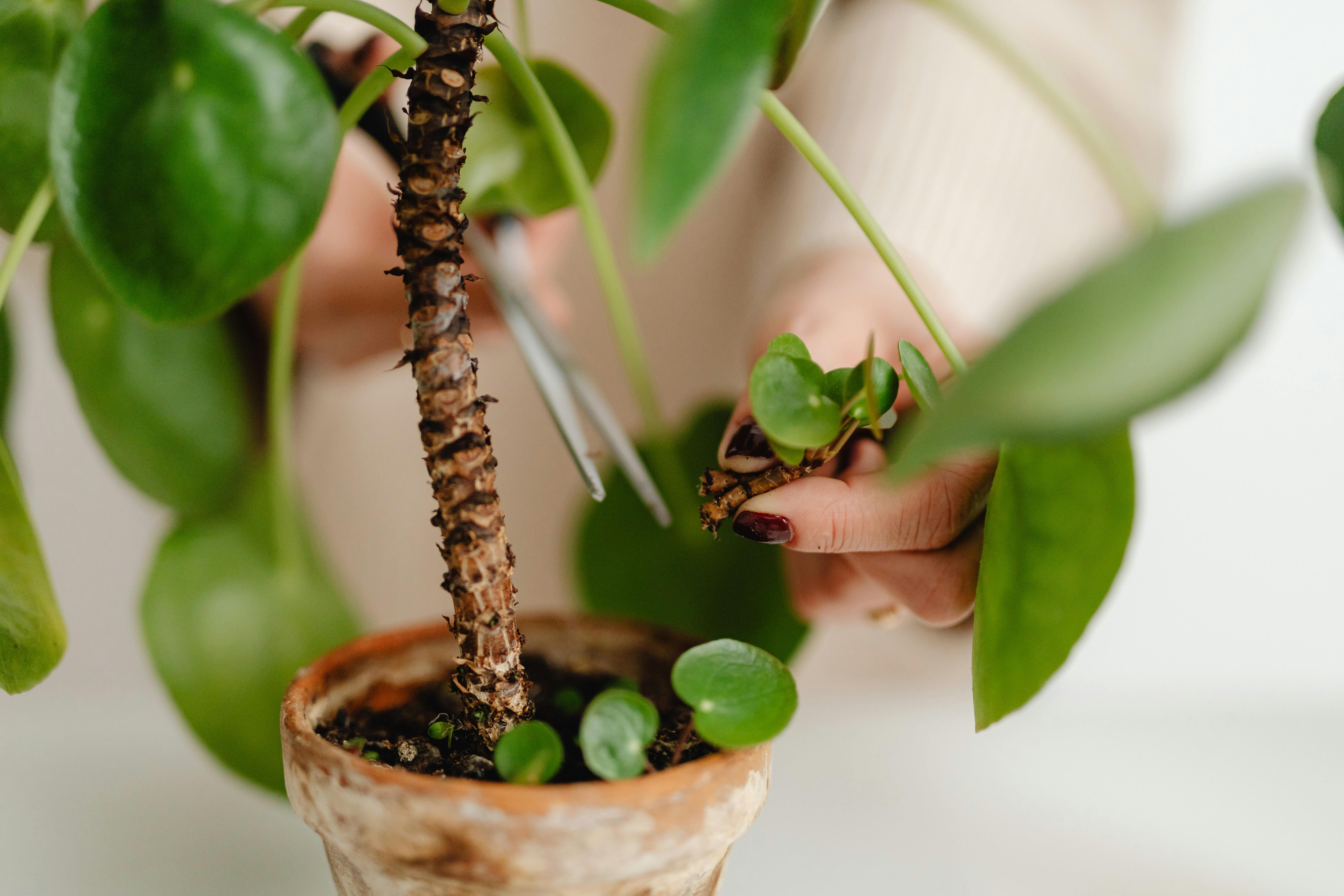
Many houseplant owners avoid pruning because it feels aggressive — removing healthy-looking growth from a plant that seems fine. But the opposite of pruning is often a plant that grows lankier, less bushy, and less productive over time. Pruning redirects the plant's energy, stimulates branching from dormant growth points, and keeps plants at a manageable size. Done at the right time with clean tools, it's one of the most effective maintenance practices for most houseplants.
Why Plants Become Leggy Without Pruning
Houseplants grow toward light, and most indoor environments provide less light than plants evolved for. The result is etiolation: longer internodal spacing (the gaps between leaves), smaller leaves, and a more stretched, sparse appearance. The plant is essentially racing toward the light source as fast as it can, putting energy into extension rather than bushy, full growth. Pruning leggy growth and improving light together are the standard response. Pruning alone without better light just produces slower leggy growth; better light alone without pruning still leaves you with the lanky form that developed.
When to Prune
Spring — as days lengthen and plants enter active growth — is the best time for significant pruning. Cut plants recover faster during active growth than in winter dormancy, new growth fills in more quickly, and the risk of disease at cut sites is lower when the plant is vigorous. Light shaping and removal of dead or diseased growth can happen any time of year without waiting for spring. Avoid heavy pruning in late fall or winter for cold-sensitive plants — the stress of significant pruning combined with reduced light and slower metabolism can be difficult to recover from.
Tools and Sterilization
Sharp, clean tools make a meaningful difference. Dull blades crush stem tissue rather than cutting cleanly, creating larger wounds that take longer to heal and are more vulnerable to infection. For small stems, sharp scissors or small pruning shears. For larger woody stems, bypass pruning shears (which cut with a clean single blade rather than a crushing anvil action). Sterilize between plants and between cuts if you're concerned about disease: wipe blades with a cloth soaked in 70% isopropyl alcohol or dip briefly in a 10% bleach solution. Rinse with water after bleach to prevent corrosion.
Where to Make the Cut
Always cut just above a node — the point where a leaf attaches to the stem. This is where dormant buds are located, and cutting here stimulates the node below the cut to develop into new branches. Leaving a section of bare stem above a node (a "stub") is a common mistake; it dies back to the node anyway, and the dying tissue is a disease entry point. Make cuts at a slight angle, 5–7 mm above the node, angling away from the bud to help water run off rather than pooling on the cut surface.
For plants you want to make bushier: cut back to one-third to one-half of the current stem length, choosing where to cut based on where you want new branching to begin. Each cut typically stimulates two or more new shoots from the nodes just below it. For plants that have grown too tall: cut the main stem to your desired height above a node, and the plant will branch at that point. For trailing plants that have become sparse: cut back the longest, most bare vines to a fuller section of the plant, encouraging new growth along the remaining stems.
Specific Plant Guidance
Pothos and Philodendron: Pinch or cut growing tips to encourage branching. These can be cut back aggressively (by half or more) if severely leggy. Cuttings root easily in water — propagate rather than discard. Ficus: Prune to shape in spring before active growth; wear gloves as the latex sap can irritate skin. Peace lily: Remove faded flowers at the stem base; remove yellowing leaves at the base as they age. Don't cut into the main crown. Orchids: Remove flower spikes after blooming only if the spike is yellowing — green spikes may rebloom. Cut spent, yellow spikes at the base. Monstera: Remove older leaves that have become damaged or very small; prune aerial roots only if they're creating problems — leaving them improves overall plant health.
About the Author
Sage Avery is a passionate gardener and plant enthusiast sharing tips for a greener life.