Repotting Plants After Buying: Wait or Go?
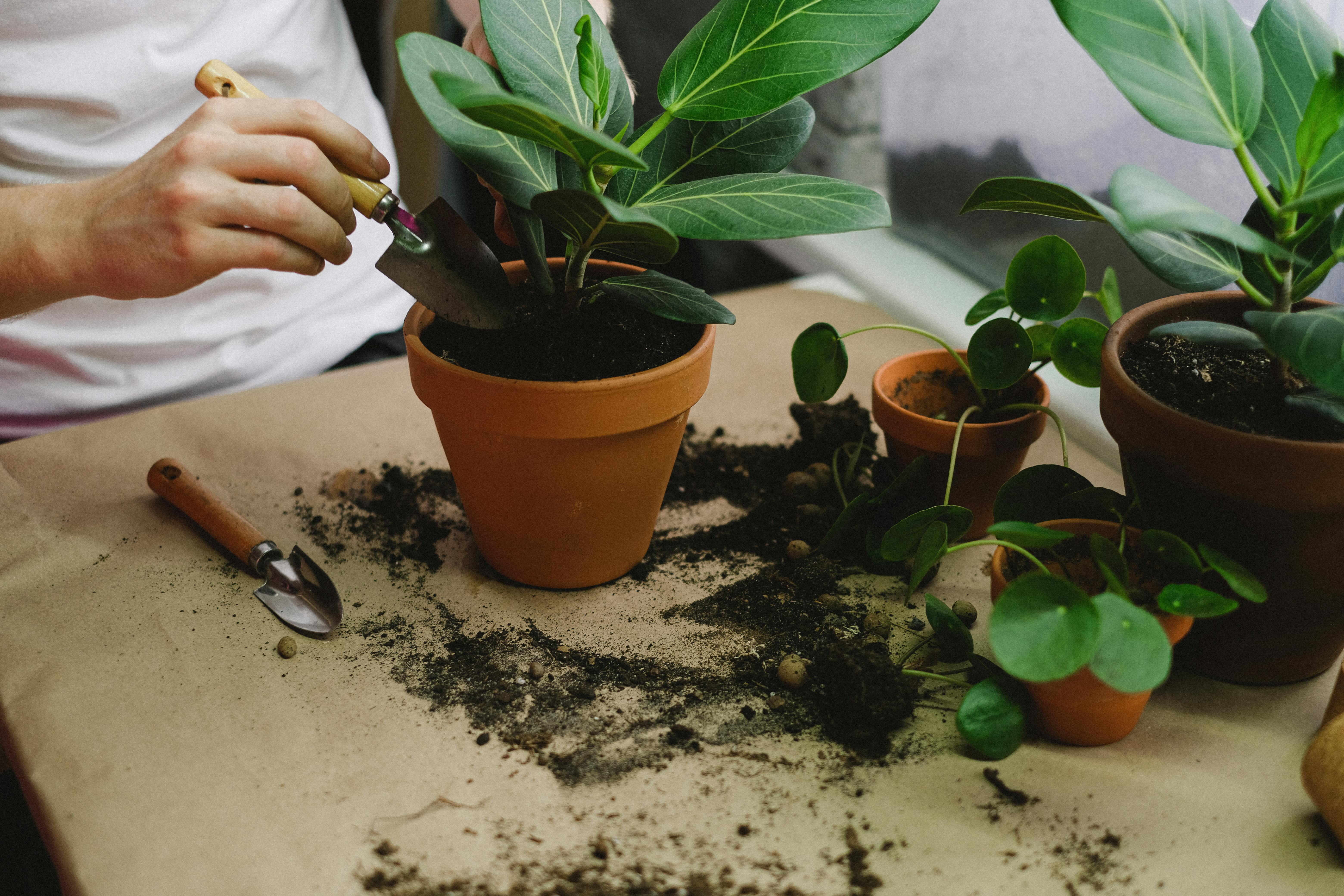
I used to repot every new plant I brought home within the first few days. I had read somewhere that nursery pots and soils weren't ideal for long-term growth, and I took that to mean "repot immediately." The problem was that repotting is a stressor — root disturbance, medium change, and sometimes size change all at once — layered on top of a plant that had just been moved from greenhouse conditions to my home. The combination produced a lot of transplant shock, drooping, and leaf loss on plants that would have been fine if I'd just let them settle in first. Getting the timing right on post-purchase repotting is one of those nuances that separates good plant outcomes from frustrating ones.
The Case for Waiting Before You Repot
When a plant arrives at your home from a garden center, nursery, or online retailer, it has just experienced a series of environmental transitions: from greenhouse production conditions, to a holding area, to a store floor, to your car, to your home. Each location has different temperature, humidity, light intensity, and air circulation. The plant's root system and foliage are adjusting to each new environment, and this adjustment takes physiological energy — the same energy the plant would otherwise use to manage the stress of repotting.
The first two to four weeks in a new location are a genuine acclimatization period for most houseplants. During this window, many plants drop leaves, show some leaf yellowing, or temporarily stop growing — this is normal transitional stress and almost always resolves on its own. Adding repotting stress to this window compounds the adjustment load unnecessarily. My standard practice is to let a new plant sit in its nursery pot, in its intended location, for at least two to four weeks before doing anything more disruptive than regular watering. This allows the plant to stabilize before I introduce the additional stress of root disturbance. The Spruce's new plant care guides consistently recommend a two- to four-week acclimatization period before repotting newly purchased houseplants, specifically noting that leaf drop during the first few weeks after purchase is a normal transitional response that should not trigger immediate repotting.
When You Should Repot a New Plant Immediately
While waiting is usually the right call, there are specific situations where immediate repotting is genuinely warranted. The most urgent is evidence of root rot or pest infestation at the time of purchase. If you bring home a plant and notice a foul smell from the soil, black mushy roots when you tip the plant slightly from its pot, or visible pests — fungus gnats hovering at the soil surface, mealybug clusters in leaf axils, scale on stems — repotting immediately into fresh, clean medium is a priority over acclimatization comfort. The risk of continued rot or pest proliferation outweighs the stress of early repotting.
A second scenario warranting prompt repotting is a plant that is severely, obviously root-bound — roots packed densely out of the drainage holes in a compacted mass, with essentially no soil visible. A severely root-bound plant can't absorb water or nutrients efficiently and is already under stress. In this case, sizing up to the next pot within the first week or two is appropriate, even during acclimatization. Use fresh medium and handle roots gently to minimize additional disturbance.
The third situation is a plant purchased in an unusually poor-quality medium — dense garden soil, very heavy clay-like mixes, or growing media that is clearly inappropriate for the species. I've bought plants from less specialized retailers that were potted in what appeared to be straight topsoil. In these cases, transitioning to an appropriate medium sooner rather than later serves the plant better than leaving it in soil that won't drain correctly. Gardening Know How's repotting after purchase guides note that the presence of pest infestations, root rot, or obviously unsuitable growing media are the three clearest indicators for immediate post-purchase repotting, overriding the general recommendation to wait.
What to Check When You Bring a New Plant Home
Rather than deciding immediately whether to repot, I do a quick assessment of every new plant when I bring it home. I check the following: the drainage hole situation (is there one? are roots emerging?), a quick tip-out inspection if I'm concerned (root color and firmness — healthy roots should be white or cream, firm, not mushy), a soil quality check (does it feel dense and heavy, or loose and well-draining?), and a pest check on leaf undersides, stems, and soil surface. This takes five minutes and tells me whether I'm dealing with a healthy plant that just needs to settle in, or one that needs immediate intervention.
If everything checks out — no pests, no rot, appropriate soil, not severely root-bound — I put the plant in its spot, water if the soil is dry, and leave it alone for two to four weeks. I make a note to reassess at the end of that period and repot if needed.
How to Repot a New Plant After Acclimatization
After the acclimatization period, if repotting is indicated, approach it gently. Select a pot that's one to two inches larger in diameter than the nursery pot — never jump dramatically in size. Prepare your growing medium in advance and have it ready before removing the plant. Remove the plant from its nursery pot and loosen any tightly circling roots at the bottom of the root ball gently with your fingers — don't aggressively tear root balls apart unless you're dealing with severe compaction.
Place the plant in the new pot at the same depth it was growing in the nursery pot — don't bury the stem deeper. Fill around the root ball with fresh medium, firming it just enough to eliminate large air pockets without compressing it. Water gently but thoroughly after repotting to settle the soil, then place the plant back in its spot. Hold fertilizer for at least four to six weeks post-repot to allow root recovery before introducing nutrient salts. According to Missouri Botanical Garden's repotting guides, maintaining the same planting depth and avoiding overpotting are the two most critical factors in successful container plant repotting, as both stem burial and excessive pot size are common causes of post-repot decline.
Common Mistakes When Repotting Newly Purchased Plants
- Repotting immediately upon purchase as a default: Unless there's a specific problem, waiting two to four weeks for acclimatization produces significantly better outcomes.
- Moving to a dramatically larger pot: Too much additional soil volume stays wet too long and increases root rot risk. One to two inches larger is the appropriate step.
- Fertilizing right after repotting: Fresh mix contains nutrients; damaged repotting roots are fertilizer-sensitive. Wait at least four weeks.
- Planting too deep: Burying the stem base deeper than it was growing originally invites rot at the stem-soil interface.
- Aggressively removing all original soil: Completely bare-rooting a newly purchased plant during acclimatization causes maximum stress. Remove old soil only when necessary (root rot, infestation) and do so gently.
Quick Reference Post-Purchase Repotting Table
| Condition at Purchase | Recommended Action | Timing |
|---|---|---|
| Healthy plant, appropriate soil, not root-bound | Wait and acclimatize; repot if needed after assessment | 2–4 weeks after purchase |
| Root rot or foul smell | Repot immediately into fresh medium; treat roots | Within 24–48 hours |
| Active pest infestation | Repot immediately; treat plant and medium | Within 24–48 hours |
| Severely root-bound (dense roots, no soil visible) | Size up one pot promptly; minimal root disturbance | Within first week |
| Clearly inappropriate growing medium | Transition to appropriate medium sooner rather than later | First 1–2 weeks |
Frequently Asked Questions
My new plant dropped several leaves the week I brought it home — should I repot?
Leaf drop in the first one to two weeks after a purchase is almost always transitional stress from the environmental change, not a sign of root problems requiring repotting. Unless you also see symptoms of rot, pests, or severe root binding, leave the plant in its nursery pot and allow the acclimatization process to complete. Leaf drop typically stops and reverses within two to four weeks as the plant adjusts to your home's specific light and humidity conditions.
Should I water my new plant immediately when I bring it home?
Check the soil moisture first. Many plants purchased from garden centers are well-watered at point of sale. Pressing your finger an inch into the soil will tell you whether it needs water. If the soil is moist, don't water — let it dry to the appropriate level for that species before watering. Overwatering a just-purchased plant that was already adequately watered is a very common way to introduce root problems in the first few days.
Do plants from big-box stores need repotting sooner than those from specialty nurseries?
Often, yes — though it varies. Big-box retailers sometimes use lower-quality growing media and may have plants that have been in their pots longer without care. Specialist nurseries and independent garden centers tend to use higher-quality media and more appropriate pot sizing. That said, evaluate each plant on its own merits rather than assuming. A healthy plant from a hardware store in appropriate medium doesn't need earlier repotting than a plant from a specialist nursery — the plant's condition is what matters, not the source.
Patience is the underrated skill in new plant care. Two to four weeks of gentle acclimatization before repotting — except in the specific situations outlined above — consistently produces better outcomes than rushing to give the plant a "fresh start" before it's had a chance to settle in. Share your new plant purchase stories in the comments, and check out our posts on whether you can repot plants in winter and how to separate root-bound plants without damaging the roots.

About the Author
Written by Sage Avery, a plant care writer at Plant Companion Guide. For how we create and update content, see our editorial policy.