Rubber Plant Care: How to Keep Ficus Elastica Happy Indoors
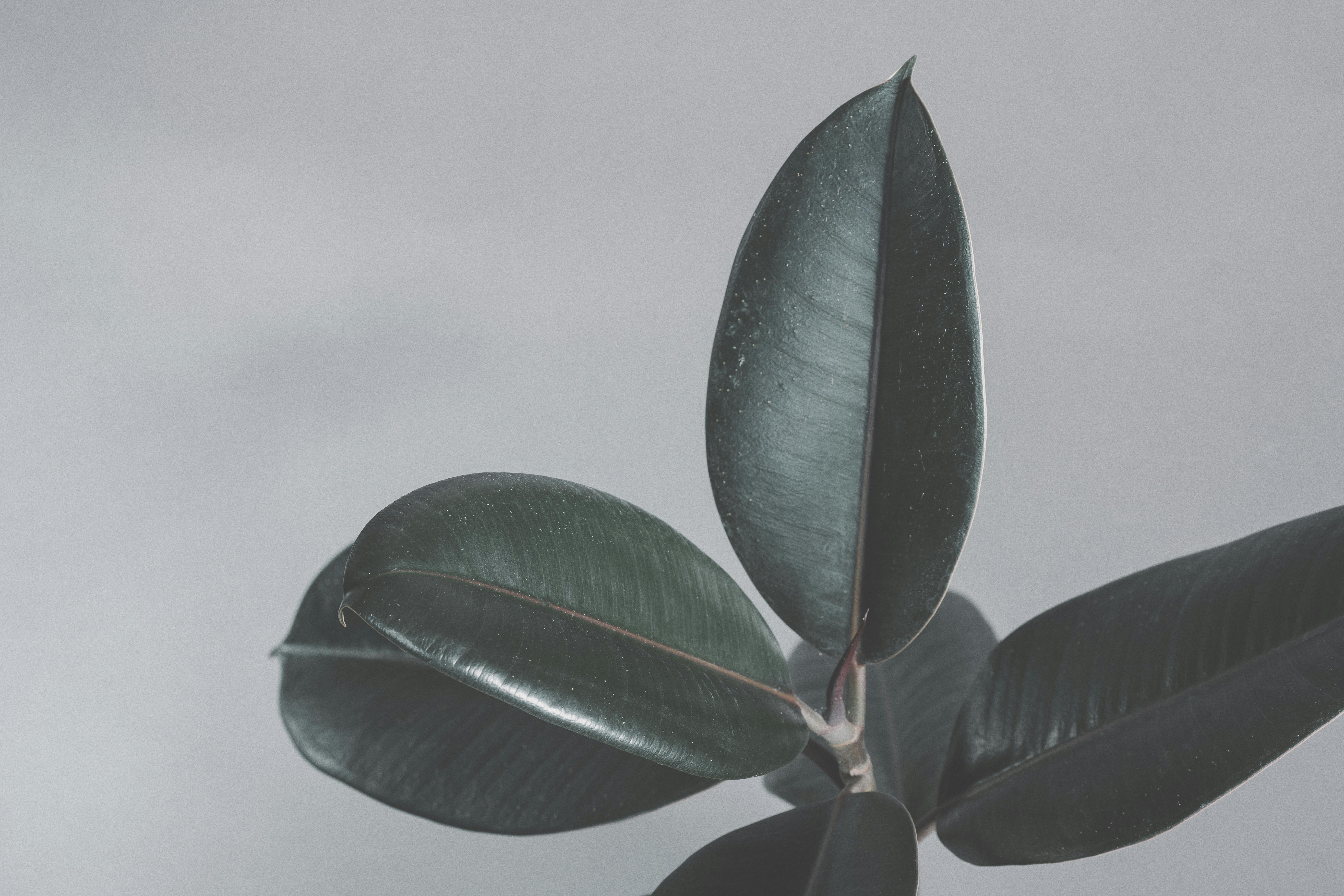
The first rubber plant I brought home was a Ficus elastica 'Burgundy' with exactly three dark, wine-red leaves and more attitude than any plant I'd ever encountered. Within two weeks of its arrival, it dropped one of those three leaves — seemingly out of spite — and I spent the next month convinced I'd done something terribly wrong. As it turned out, the problem was simpler than I imagined: I'd moved it from a bright nursery environment to a dim bedroom corner and expected it not to notice. Rubber plants notice everything. Once I understood what they actually need — primarily steady, bright light and a predictable watering routine — my Burgundy recovered, added seven new leaves over the next growing season, and is now a four-foot statement piece in my living room. Here's everything I learned the hard way.
Why Ficus Elastica Is Worth the Learning Curve
Ficus elastica is a striking architectural plant native to the tropical regions of South and Southeast Asia, where it can grow into a towering tree. Indoors, it typically reaches six to ten feet over several years, developing a single upright trunk with large, glossy leaves that range from deep green in the standard cultivar to near-black in 'Burgundy' and variegated cream-and-green in 'Tineke' and 'Ruby.' The waxy surface of each leaf is part of what makes the plant so visually bold — and it's also why dust accumulation matters more with rubber plants than with most other houseplants.
The plant has a reputation for being temperamental, and that reputation is partly earned. Like most Ficus species, rubber plants dislike being moved and will express their displeasure by dropping leaves. The key insight that changed everything for me: stop moving it once you find a bright spot, and the drama largely stops too. According to the Missouri Botanical Garden's indoor plant growing resources, Ficus species are among the most light-sensitive of common houseplants and should be positioned in a high-light location and left there.
Light: The Most Important Variable for Rubber Plants
Rubber plants need bright, indirect light to thrive — and significantly more of it than most beginner guides admit. My Burgundy sits two to three feet from a south-facing window and gets several hours of indirect light plus a small amount of early morning direct sun in summer, which it handles without issue. The standard green cultivar (elastica 'Robusta') is slightly more tolerant of lower light, but the variegated and dark-leafed types like Tineke and Burgundy absolutely require a bright position to maintain their coloration. In lower light, Tineke reverts toward solid green and Burgundy loses its deep purplish tones.
Direct afternoon sun through south- or west-facing windows in summer can scorch the leaves — look for bleached, papery patches that appear suddenly after a sunny day. If this happens, move the plant back a few feet or add a sheer curtain. In USDA Zone 5 and northward, winter light drops considerably; I supplement with a full-spectrum LED grow light from November through February to maintain the growth rate I want.
Signs of Insufficient Light
- New leaves emerging smaller than previous growth
- Long stretches of bare stem between leaves (etiolation)
- Loss of color depth in variegated or dark cultivars
- Soil staying wet far longer than expected — lower light means slower evaporation
Watering Rubber Plants: Predictable and Controlled
Rubber plants prefer a "dry down" approach between waterings. I water thoroughly — until water runs freely from the drainage holes — then allow the top 50% of the soil to dry out before the next watering. In practice, during peak growing season (May through September), that's roughly every seven to ten days. In winter, it extends to every fourteen to twenty-one days, sometimes longer.
The critical mistake most beginners make is keeping the soil constantly moist. Rubber plants are susceptible to root rot, and their roots need oxygen between waterings. A pot that stays wet for more than two weeks is a rot waiting to happen. Always use a pot with drainage holes, and never let the plant sit in standing water in a saucer for more than an hour after watering. Gardening Know How's comprehensive houseplant watering guides provide excellent seasonal frameworks for adjusting indoor plant watering as light and temperature shift.
One practical tip I swear by: lift the pot before and after watering. The weight difference is dramatic and your hands will quickly learn to sense when the soil is actually dry versus just dry on the surface.
Soil, Feeding, Repotting, and Leaf Care
A well-draining, slightly moisture-retentive mix works best for rubber plants. I use a standard peat- or coco-coir-based potting mix amended with about 25% perlite. This gives the roots adequate aeration while retaining enough moisture to not require daily checking. Avoid dense, heavy mixes — rubber plant roots are relatively thick and need room to breathe.
Feed once monthly during the growing season with a balanced, water-soluble fertilizer at half the recommended strength. I use a 10-10-10 formulation diluted to half strength from March through September, then stop entirely. Never fertilize in fall or winter — the plant's metabolism slows, and unused nutrients accumulate as salts that damage the root system over time.
Repot every two to three years, or when roots begin circling the pot base. Choose a pot one to two inches larger in diameter. Rubber plants prefer to be slightly root-bound, so resist the urge to jump up to a very large pot — this increases the risk of prolonged soil saturation.
Finally: wipe the leaves. Rubber plants collect dust on their large, waxy surfaces, and a dusty leaf is less efficient at photosynthesis. I use a damp microfiber cloth to gently wipe each leaf monthly — it keeps the plant looking spectacular and functioning at full capacity. For more on how to repot a houseplant without stressing it, see our step-by-step guide.
Common Mistakes with Rubber Plant Care
- Moving the plant frequently: Every relocation triggers leaf drop as the plant adjusts. Choose your bright spot, put it there, and leave it alone.
- Low light placement: Dim corners cause legginess, color loss in named cultivars, and slow root rot from soil that never properly dries.
- Overwatering in winter: Growth slows significantly in winter — reduce watering frequency to match reduced light and evaporation rates.
- Skipping leaf cleaning: Dusty leaves photosynthesize less efficiently. Wipe them monthly with a damp cloth.
- Using cold tap water: Tap water that's much colder than room temperature can shock the roots. Leave water out overnight before using, or use room-temperature filtered water.
Quick Reference Care Table
| Care Factor | Requirement |
|---|---|
| Light | Bright indirect light; 2–4 feet from a south- or east-facing window |
| Water | When top 50% of soil is dry; every 7–10 days growing season, 14–21 days winter |
| Soil | Well-draining potting mix with 25% perlite |
| Humidity | 40–50%; tolerates average home humidity |
| Temperature | 60–80°F (15–27°C); avoid cold drafts and temperatures below 55°F |
| Fertilizer | Balanced liquid at half strength, monthly, March through September only |
| Repotting | Every 2–3 years; 1–2 inches larger pot diameter |
| Outdoor USDA Zones | Zones 10–12 only |
Frequently Asked Questions
Why is my rubber plant dropping leaves?
Leaf drop in rubber plants is almost always triggered by a change in environment — moving the plant to a new location, a sudden drop in temperature, cold drafts, or inconsistent watering. If the plant has been moved recently, give it four to six weeks to stabilize in its new position before assuming something is wrong. If it hasn't been moved, check for overwatering, drafts from air conditioning or heating vents, or insufficient light.
How do I make my rubber plant branch out instead of growing straight up?
Pruning is the answer. Cut the main stem just above a leaf node during the growing season, and the plant will push out two to three new branches from below the cut. Wear gloves when pruning — the white, milky sap that oozes from cut stems is a latex compound that can irritate skin and is toxic if ingested. Wash pruning tools thoroughly after use.
Can I propagate a rubber plant at home?
Yes, and it's quite satisfying. The most reliable method is stem cuttings taken in spring or summer: cut a six-inch section below a leaf node, allow the cut end to dry for 30 minutes so the latex seals, then place in moist perlite or water. Roots develop in four to six weeks in warm conditions. Air layering is another option for producing a larger rooted cutting from a leggy stem without removing it entirely.
Rubber plants reward consistency above all else — consistent light, consistent watering, and the restraint not to move them around every time you rearrange furniture. Get those three things right and you'll have a genuinely striking, long-lived houseplant. Explore our guide on the best low-light houseplants if you're looking for companions that'll thrive in the spots your rubber plant can't go, and share your rubber plant wins (or near-misses) in the comments below.

About the Author
Written by Sage Avery, a plant care writer at Plant Companion Guide. For how we create and update content, see our editorial policy.