Rubber Plant Care: Keep Ficus Elastica Healthy and Growing
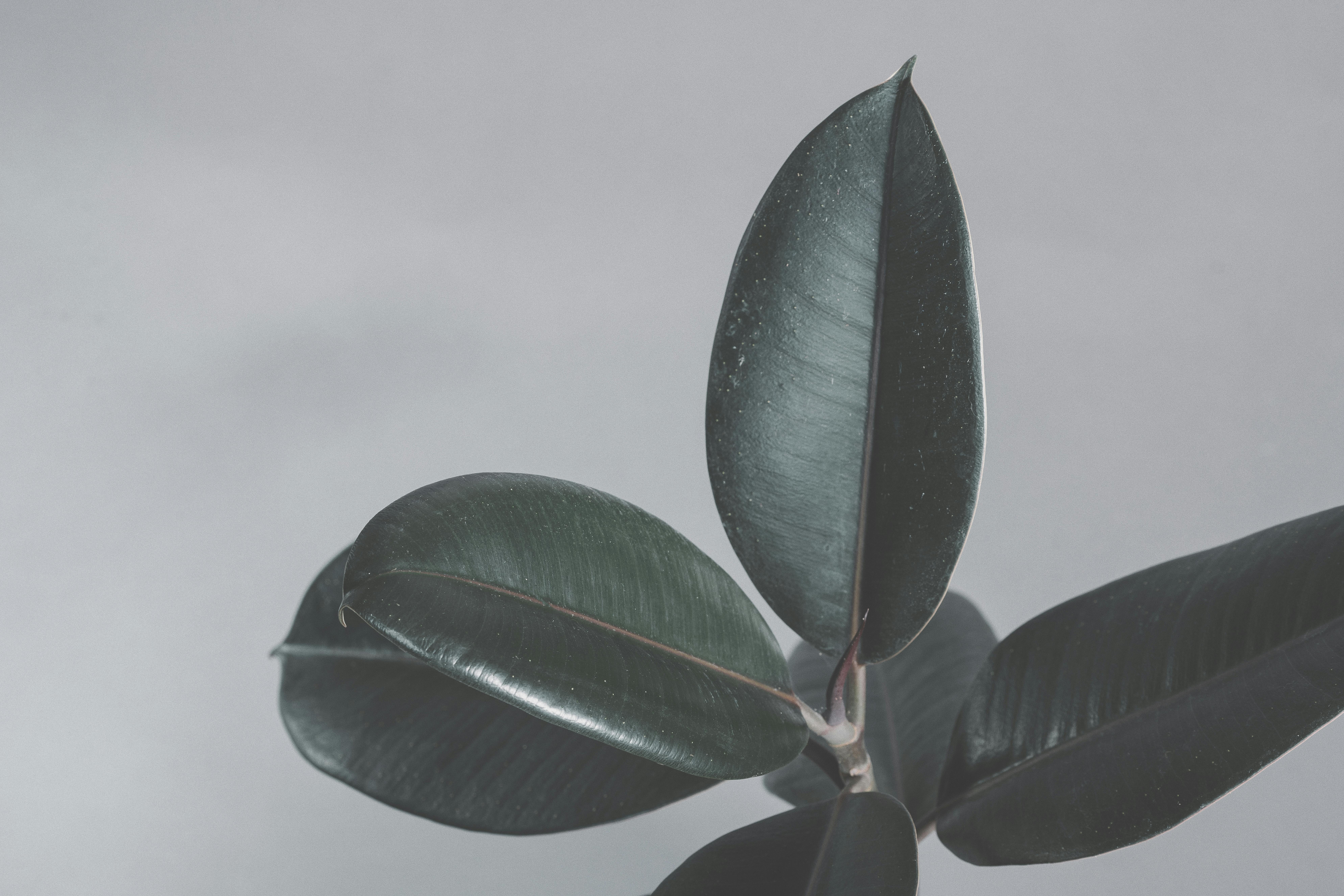
The first rubber plant I brought home was a gorgeous burgundy Ficus elastica 'Burgundy' — deep wine-red leaves the size of my hand, standing nearly four feet tall in the nursery. Within three weeks of placing it in my apartment's dim corner, it had dropped six leaves and looked genuinely miserable. I'd made the classic mistake: choosing a statement plant for a dark spot and assuming it would adapt. Rubber plants are bold, architectural, and surprisingly low-maintenance once their basic conditions are met — but they are not low-light plants, and they communicate unhappiness loudly through leaf drop.
Light Requirements for Rubber Plants Indoors
Ficus elastica performs best in bright indirect light. In their native Southeast Asian rainforest habitat, they grow as large canopy trees receiving filtered but substantial sunlight. Indoors, position your rubber plant within two to three feet of a south or east-facing window. The standard-issue green variety (F. elastica 'Robusta') tolerates moderate indirect light better than the variegated cultivars. 'Tineke' (cream-and-green) and 'Ruby' (pink, cream, and green) need brighter light to maintain their variegation; place these directly in front of a bright window.
Brief periods of gentle direct morning sun through an east window are beneficial and will intensify leaf color in burgundy varieties like 'Abidjan'. However, harsh afternoon sun through a south or west window in summer can scorch leaves. Gardening Know How's plant care library notes that consistent bright indirect light is the single greatest factor in long-term rubber plant health indoors.
Watering and Soil: Avoiding the Two Extremes
Rubber plants hate two things equally: sitting in wet soil and drying out so severely that leaves curl and drop. The goal is consistently moist — not wet, not bone-dry. During the growing season (spring through early fall), water when the top one to two inches of soil are dry, roughly every seven to ten days depending on pot size and ambient humidity. In winter, reduce to every ten to fourteen days and allow the top third of the soil to dry between waterings.
Use well-draining potting mix amended with perlite — I use a two-to-one ratio of standard potting mix to perlite. Ensure your pot has drainage holes; rubber plants in pots without drainage are almost guaranteed to develop root rot. If you notice yellowing lower leaves combined with a heavy, consistently wet soil, root rot is likely already underway. Unpot, trim blackened roots, and repot into fresh, drier mix. The Missouri Botanical Garden's plant care resources provide excellent context on drainage requirements for large tropical foliage plants.
Keeping Those Leaves Glossy and Clean
The large, waxy leaves of Ficus elastica accumulate dust quickly, and a dusty leaf is an inefficient leaf — dust blocks light absorption and clogs stomata. Wipe leaves monthly with a damp microfiber cloth, supporting each leaf from underneath with one hand. Avoid commercial leaf-shine products with mineral oil, which can clog stomata over time; plain water or a very diluted neem oil solution is sufficient. Never use feather dusters, which can scratch the surface and spread pests between plants.
Healthy rubber plant leaves should be deep, glossy, and firm. Dull, slightly wrinkled leaves often indicate underwatering or low humidity. Yellowing with green veins can suggest iron deficiency in plants that haven't been repotted or fertilized in several years.
Pruning for Height Control and Bushier Growth
Left unpruned, rubber plants grow as tall, single-stemmed trees. If you want a bushier, multi-branched plant, pinch or prune the growing tip during the active season (spring or early summer). New branches will emerge from nodes below the cut, creating a fuller silhouette. Always wear gloves when pruning — the white latex sap is a skin irritant and can stain fabric permanently. Cut with clean, sharp scissors or pruning shears, and wipe the blade with rubbing alcohol between cuts to prevent fungal transmission. See our complete guide to pruning houseplants for species-specific techniques.
Fertilize monthly during spring and summer with a balanced liquid fertilizer (20-20-20 at half strength), and repot every two to three years or when roots circle the pot's bottom or emerge from drainage holes. For more on feeding strategies, see our liquid vs. granular fertilizer comparison.
Common Mistakes to Avoid
- Moving the plant frequently: Rubber plants hate being relocated. Find their ideal spot and leave them — each move triggers a new round of leaf drop as the plant acclimates.
- Cold drafts and air conditioning vents: Temperatures below 55°F (13°C) or sudden cold drafts cause rapid leaf drop. Keep away from exterior doors and AC units.
- Overwatering in winter: Growth slows dramatically in low light months; watering on a summer schedule through winter is the most common cause of root rot.
- Ignoring leaf drop post-purchase: Some leaf drop after bringing a rubber plant home is normal acclimatization. Provide stable conditions and wait four to six weeks before panicking.
- Too-large a pot: A pot far larger than the root ball holds excess moisture and encourages rot. Go up only one pot size when repotting.
Quick Reference Rubber Plant Care Table
| Factor | Ideal Condition |
|---|---|
| Light | Bright indirect; within 3 ft of south/east window |
| Water | Top 1–2 inches dry before watering; reduce in winter |
| Soil | Well-draining potting mix with added perlite |
| Humidity | 40–60%; tolerates average indoor air |
| Temperature | 60–80°F (16–27°C); avoid below 55°F |
| Fertilizer | Balanced liquid, half-strength, monthly in growing season |
| Repotting | Every 2–3 years; one size up only |
| Toxicity | Toxic to cats and dogs; sap irritates skin |
Frequently Asked Questions
Why is my rubber plant losing leaves even though I'm watering it regularly?
Paradoxically, regular watering is often the cause. If the soil never fully dries between waterings, root rot develops silently and the plant sheds leaves as its root system becomes unable to supply nutrients. Check soil moisture before every watering — only water when the top one to two inches are dry. Also rule out sudden temperature drops, cold drafts, or a recent relocation, all of which trigger defensive leaf drop in Ficus species.
How fast does a rubber plant grow indoors?
In optimal conditions — bright indirect light, correct watering, regular feeding — rubber plants can put on six to twelve inches of new growth per growing season. Under lower light or inconsistent care, growth slows to just a few inches per year. Younger plants tend to grow faster than established, mature specimens. If your plant hasn't shown new growth in several months during spring or summer, evaluate its light conditions first.
Can I make my rubber plant branch out?
Yes. Pruning the apical tip (the topmost growing point) during spring redirects the plant's energy into lateral buds, producing two to four new branches below the cut. This is the standard technique for creating a bushier, more tree-like silhouette. The pruned top cutting can be propagated in water or moist soil — it roots readily and makes an excellent gift plant.
Rubber plants are one of the most rewarding large-format houseplants you can grow — sculptural, fast-growing when happy, and genuinely architectural. Get their light and watering right, resist the urge to move them, and they'll reward you with bold, glossy foliage for years. Drop your biggest rubber plant question in the comments below — I'd love to troubleshoot with you.

About the Author
Sage Avery is a passionate gardener and plant enthusiast sharing tips for a greener life.