Scale Insects on Houseplants: Identify and Eliminate Them
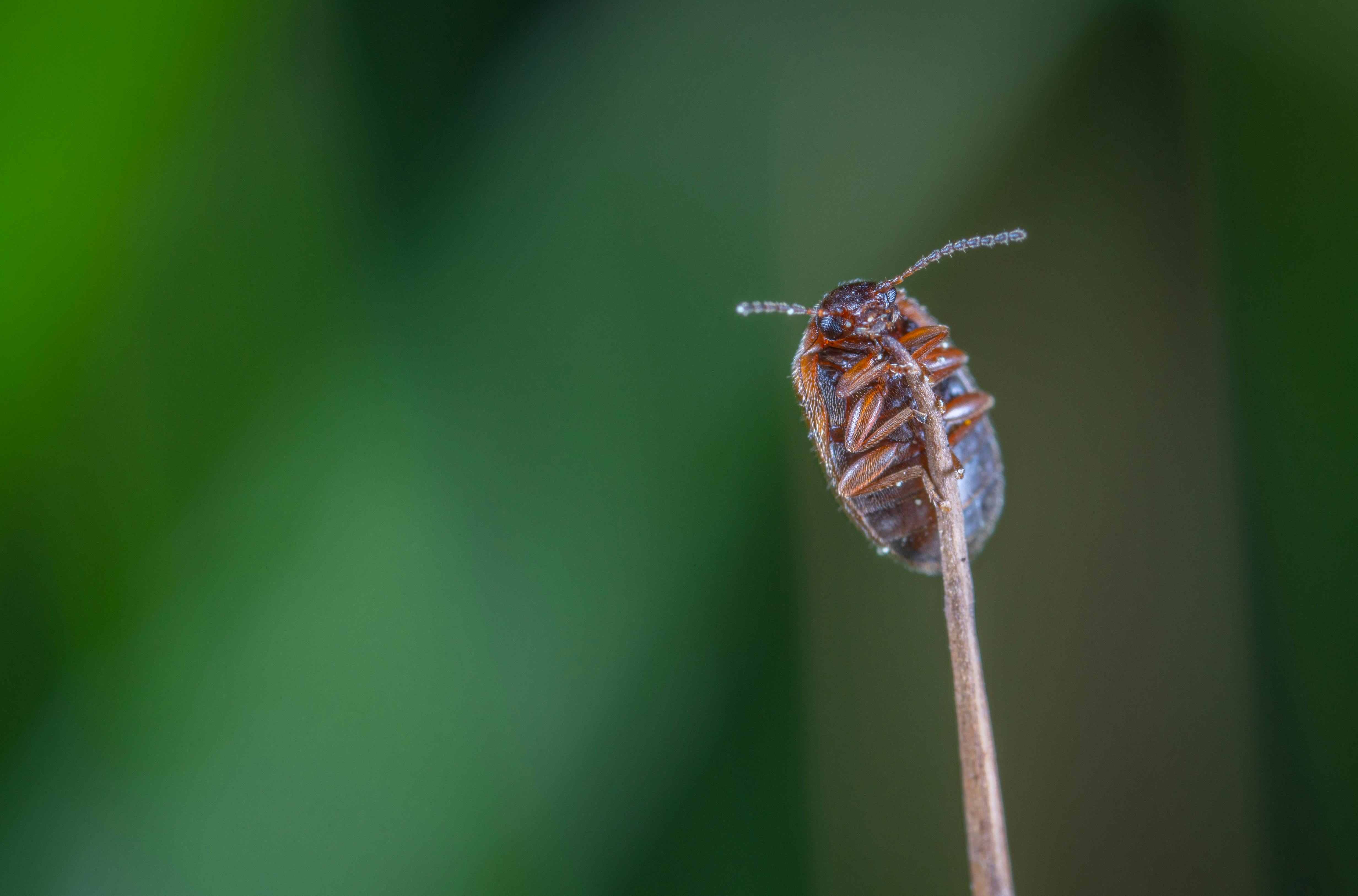
Scale insects are one of the most common houseplant pests and one of the most frequently missed — they look more like a part of the plant than an insect until you know what you're looking for. By the time a significant infestation is visible, the pests have been feeding on the plant for weeks or months. Early identification and consistent treatment are the keys to eliminating scale without losing the plant.
Identifying Scale Insects
Scale insects come in two types: soft scale and armored scale. Soft scale insects (the most common on houseplants) look like tiny bumps — rounded, oval, or slightly elongated, ranging from pale tan to dark brown depending on species. They attach firmly to stems, leaf undersides, and leaf junctions and don't move once they've settled in a feeding position. If you poke them with a fingernail, they scrape off but leave a mark on the plant and feel slightly wet or sticky. Common soft scale on houseplants: brown soft scale (Coccus hesperidum), hemispherical scale, and various mealybug relatives.
Armored scale look like tiny flattened shields or discs adhered to stems and leaves. They're harder and drier than soft scale. Under the armored cover is the insect itself, which is much smaller. Common armored scale on houseplants includes oleander scale and California red scale on citrus. Armored scale is more difficult to treat because the protective covering resists many treatments.
A secondary sign of scale that often appears before you spot the insects: sticky, shiny residue on leaves and nearby surfaces. This is honeydew — scale insects excrete it as they feed. Sooty mold (a dark, powdery fungal growth) often grows on honeydew deposits, creating dark patches on leaves that can look alarming but is a symptom of scale rather than an independent disease.
Why Scale Is Hard to Control
Scale insects have a protective shell or covering that makes most contact insecticides largely ineffective — the chemical can't reach the insect. Crawlers (the mobile juvenile stage, before insects settle and form their covering) are the most vulnerable phase, but they're tiny, fast-moving, and only active for a short period of the lifecycle. This is why scale often seems to return even after treatment: crawler populations that were missed during treatment continue the lifecycle.
Effective Treatment Methods
Manual removal: For mild to moderate infestations, manual removal is both effective and chemical-free. Use a cotton ball, cotton swab, or soft cloth soaked in 70% isopropyl rubbing alcohol to wipe scale off stems and leaves. The alcohol kills scale on contact and dissolves the protective covering of armored scale. This is tedious on heavily infested plants but works well when done thoroughly and consistently. Inspect and retreat every seven to ten days for six weeks to catch new crawlers.
Horticultural oil and insecticidal soap: Applied directly to insects, these smother scale by blocking the pores through which they breathe. Coverage must be thorough — spray all stem surfaces, leaf undersides, and junctions. Repeat every seven to ten days for four to six weeks. Neem oil works similarly and has the advantage of interrupting the insect lifecycle at multiple stages.
Systemic insecticides: Products containing imidacloprid (often sold as granular root drench formulations) are absorbed by the plant and taken up by feeding insects. This approach reaches hidden scale on inner stems and undersides that spray treatments miss. Effectiveness builds over two to four weeks. Note that systemic insecticides kill beneficial insects as well as pests — not appropriate for plants that attract pollinators or that are edible.
After Treatment: Preventing Return
Scale insects spread easily on contact between plants — inspect all neighboring plants if you find scale on one. Quarantine new plants for two to three weeks before placing them with your existing collection. A plant that has had scale remains vulnerable to reinfestation: a few remaining insects or eggs can restart the population. Continue weekly inspections for two to three months after you believe the infestation is eliminated, treating immediately at any sign of return.
About the Author
Sage Avery is a passionate gardener and plant enthusiast sharing tips for a greener life.