Snake Plant Care Guide for Beginners
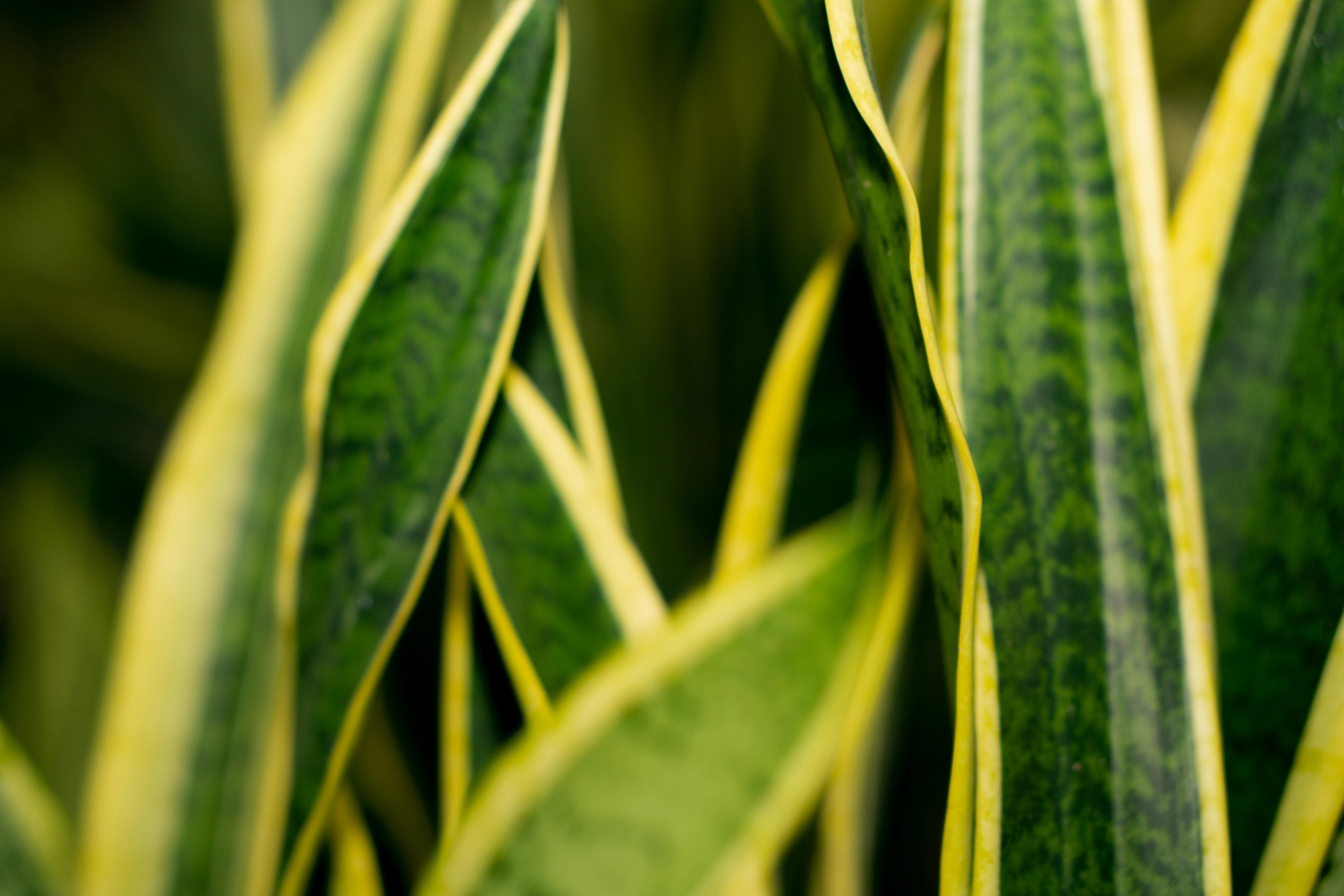
The Unkillable Plant (Almost): Mastering Sansevieria
My first Sansevieria trifasciata (now reclassified as Dracaena trifasciata) thrived on my neglect for years, making it the perfect starter plant. Its architectural leaves purify air, as noted in the NASA Clean Air Study.
Detailed Care Requirements
- Light: Tolerates very low light (50 FC) but grows faster in bright, indirect light (250-500 FC). Avoid harsh direct sun which can scorch leaves.
- Water: The #1 killer is overwatering. Water only when the soil is completely dry throughout the pot. In winter, this may be every 6-8 weeks. I water mine 8-10 times a year.
- Soil: A fast-draining cactus/succulent mix is ideal. Ensure the pot has drainage holes.
- Temperature & Humidity: Thrives in average household temperatures (60-80°F) and any humidity level.
- Fertilizer: Feed with a balanced, half-strength liquid fertilizer once in spring and once in summer.
Common Problems & Solutions
Soft, Mushy Leaves (Rot): From overwatering.
Cut away rotten parts and repot into dry soil.
Brown, Crispy Tips:
Usually from underwatering or fluoride in tap water. Use
filtered water and soak thoroughly.
Leaves Falling Over:
Can be from overwatering or from becoming top-heavy. You can
stake it or propagate.
Propagation Made Simple
Propagate by leaf cuttings: cut a healthy leaf into 3-4 inch sections, let them callous for a day, then plant them upright in soil. Note: Variegated types like 'Laurentii' will revert to plain green with this method. For variegation, divide the root ball (rhizome) instead.
Toxicity Warning: According to the ASPCA, Snake Plants are toxic to cats and dogs if ingested, causing nausea and vomiting.

About the Author
Written by Sage Avery, a plant care writer at Plant Companion Guide. For how we create and update content, see our editorial policy.