Snake Plant Leaves Falling Over: Causes and Fixes
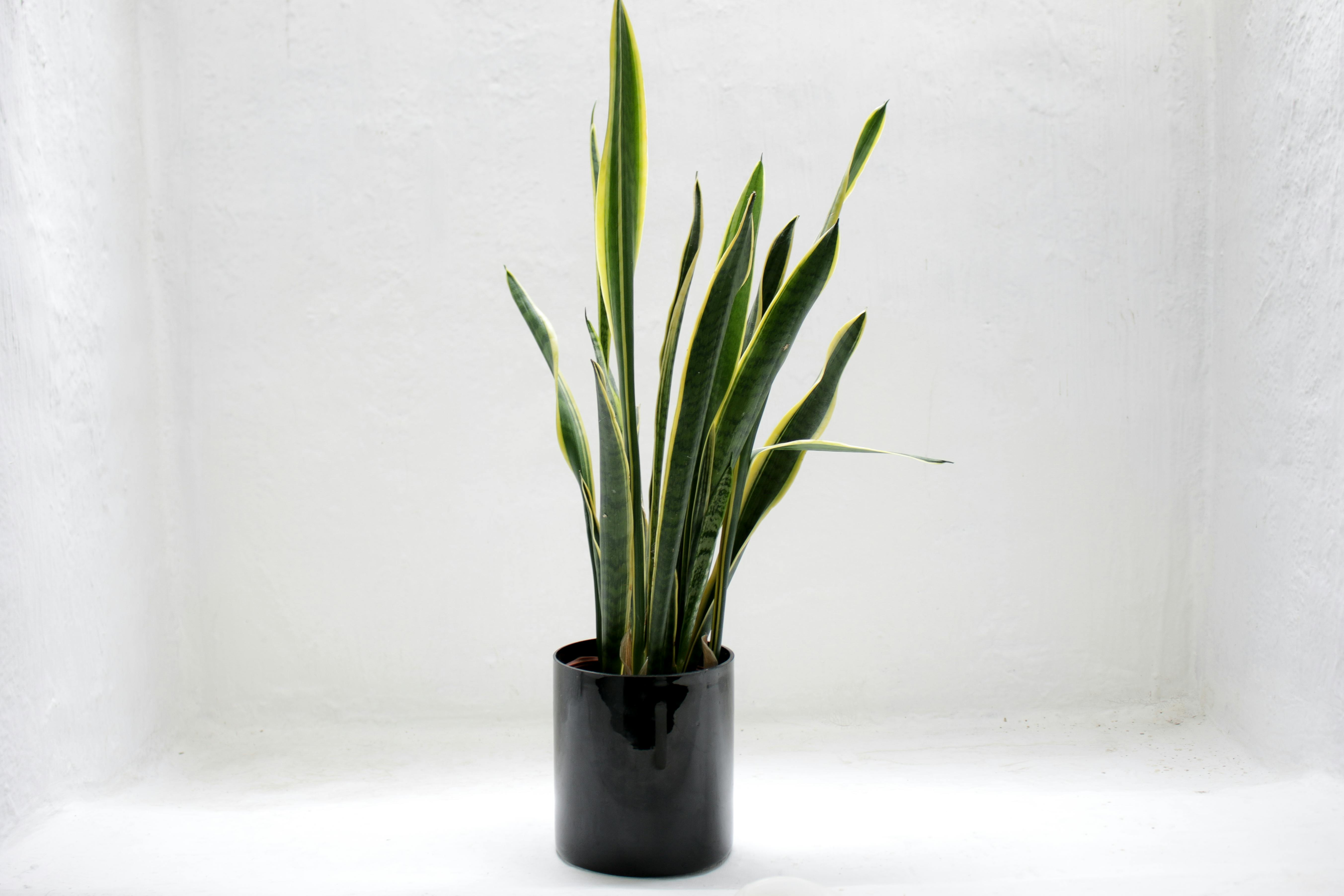
I'd had my Sansevieria trifasciata 'Laurentii' for about three years when I noticed the outer leaves starting to lean dramatically to one side. At first I chalked it up to the plant getting tall and heavy. When two more leaves flopped completely flat the following week, I knew something was wrong — and what I discovered was a slow-developing root rot problem that had been building for months. Catching it earlier would have been much easier, which is why I now pay close attention any time a snake plant leaf deviates from its characteristically upright stance.
Why Snake Plant Leaves Fall Over: An Overview
Dracaena trifasciata — the updated scientific name for what most of us still call Sansevieria — is prized for its architectural, vertical growth habit. Leaves that splay outward, lean to one side, or flop completely are never normal in a well-established plant. While young plants and some compact cultivars like 'Hahnii' naturally grow in a lower rosette form, standard tall cultivars ('Laurentii,' 'Black Gold,' 'Moonshine,' 'Cylindrica') should hold themselves upright with minimal support.
The five most common causes of falling leaves are: root rot from overwatering, a pot that's too large, insufficient light causing weak cell structure, physical damage, and natural aging of the outermost leaves. Each has a distinct set of accompanying signs that can help you diagnose quickly.
Root Rot: The Most Serious Cause
Root rot is the most common and most dangerous reason snake plant leaves fall over, and it's almost always caused by overwatering or poor drainage. Snake plants are succulents that store water in their leaves and roots — they evolved in the arid, rocky soils of West Africa and are extraordinarily drought tolerant. Keeping them in consistently moist soil destroys their roots over weeks and months, and by the time leaves start falling, significant root damage has often already occurred.
To check for root rot, remove the plant from its pot. Healthy roots are white to cream and firm. Rotten roots are dark brown or black, mushy, and may smell sour or foul. If you catch it early, you can treat it: trim all affected roots back to healthy tissue with sterilized scissors, let the root ball dry out for 24 to 48 hours, and repot in fresh, very well-draining cactus or succulent mix. The Spruce's indoor plant care guides provide excellent detailed guidance on identifying and treating root rot in succulents and semi-succulents like snake plants.
After repotting, hold off on watering for a full week to ten days to allow the roots to heal before introducing moisture. During winter, water snake plants no more than once every three to six weeks — far less than most plant parents realize.
Pot Problems: Too Large or No Drainage
An oversized pot is a surprisingly common cause of both root rot and subsequent leaf collapse. When there's too much soil volume relative to the root ball, the excess medium stays wet for far too long between waterings. A snake plant should be potted snugly — the pot should be only one to two inches wider in diameter than the root mass. Terracotta pots, which breathe and help soil dry more evenly, are particularly well-suited to snake plants for this reason.
Pots without drainage holes compound the problem dramatically. Even with the most careful watering, water will eventually pool at the bottom of a pot with no drainage outlet, saturating the lower roots. If your snake plant is in a decorative pot without drainage, either move it to a pot with drainage or use it only as a cachepot with a drainage-holed nursery pot inside. Missouri Botanical Garden's houseplant care resources consistently emphasize that adequate drainage is the single most important structural condition for succulent houseplants.
Low Light and Weak Cell Structure
Snake plants are famously tolerant of low light, but chronic low-light conditions still affect leaf structure over time. Leaves produced in very dim conditions tend to be softer and floppier than those grown in brighter light, because the plant isn't synthesizing enough carbohydrates to build firm cell walls. This type of falling is gradual rather than sudden — you'll notice leaves getting progressively less upright over several months.
Moving a snake plant from deep shade to a position with at least a few hours of indirect or filtered light per day — ideally near an east-facing window — will firm up new growth noticeably within two to three months. Existing floppy leaves won't straighten, but new leaves will emerge more upright. According to Gardening Know How's Sansevieria care guides, moderate to bright indirect light produces the firmest, most vibrantly colored snake plant leaves, even though the plant can survive in very low light conditions.
Physical Damage and Leaf Aging
Sometimes leaves fall over simply because they've been bumped, bent, or damaged at the base. A sharp bend near the base of the leaf essentially breaks the internal structural fibers, and the leaf will never stand upright again. In this case, the best course is clean removal — cut the leaf as close to the base as possible with sterilized scissors or a knife. New leaves will emerge from the rhizome to replace it.
Older outer leaves on mature plants also gradually weaken and may lean over time. This is natural senescence. Remove them cleanly when they begin to look untidy. The plant's newer, inner growth will remain upright.
Common Mistakes That Lead to Falling Leaves
- Watering on a schedule instead of by feel: Snake plants need water only when soil is completely dry — often just once every 2–6 weeks depending on season and light levels.
- Placing in a glazed ceramic pot without drainage: Beautiful but deadly for snake plants. Always use a pot with at least one drainage hole.
- Repotting into a much larger pot: More soil equals more moisture retention, which greatly increases rot risk.
- Misting snake plant leaves: Misting introduces moisture into the leaf crevices and base, a common entry point for fungal rot.
- Ignoring early lean: A leaf that's started to lean 20–30 degrees is a warning sign. Investigate the root zone before it progresses.
Quick Reference Care Table
| Care Factor | Ideal Condition | Sign of Problem |
|---|---|---|
| Watering | When soil is completely dry; every 2–6 weeks | Soft, mushy leaf bases; foul odor |
| Soil | Fast-draining cactus/succulent mix | Dense, soggy medium that stays wet for weeks |
| Pot | 1–2 inches wider than root ball; drainage required | Oversized pot; water pooling at base |
| Light | Indirect to moderate light; some direct morning sun ideal | Floppy, soft new leaves; slow growth |
| Temperature | 60–80°F (15–27°C); avoid below 50°F | Leaf scarring, collapse after cold exposure |
| Humidity | Low to moderate; 30–50% RH | Tolerates wide range; no misting needed |
Frequently Asked Questions
Can I stake a falling snake plant leaf to straighten it?
You can use a thin bamboo stake and a soft tie to support a leaning leaf temporarily, but it won't fix the underlying issue. If the base of the leaf is soft or discolored, remove the leaf entirely and address the root cause. Staking only makes sense as a cosmetic measure while a rotted root system recovers.
My snake plant leaf fell over but the base feels firm — what's wrong?
If the base of the leaf is firm and the roots look healthy, the most likely cause is physical damage to the leaf somewhere along its length, or the plant outgrowing a pot that can no longer support its weight. Check for a bend or crease in the leaf, and consider whether a slightly larger, heavier pot or a moss stake might provide better structural support.
How long does it take for a snake plant to recover after root rot treatment?
Recovery time depends on how much of the root system remained viable. A plant with 50% or more healthy roots after trimming can begin producing new leaves within six to ten weeks when given good conditions — appropriate light, very infrequent watering, and a warm position. Plants with severe rot may take three to four months or may not recover if the rhizome was affected.
Snake plants are resilient, but falling leaves are their version of a distress signal — and taking it seriously early saves a lot of grief later. If you've worked through this checklist and still can't identify the cause, feel free to drop a photo description in the comments and I'll help you troubleshoot. Also check out our posts on choosing the best pot for snake plants and complete snake plant care from watering to propagation.

About the Author
Written by Sage Avery, a plant care writer at Plant Companion Guide. For how we create and update content, see our editorial policy.