Snake Plant Watering Schedule
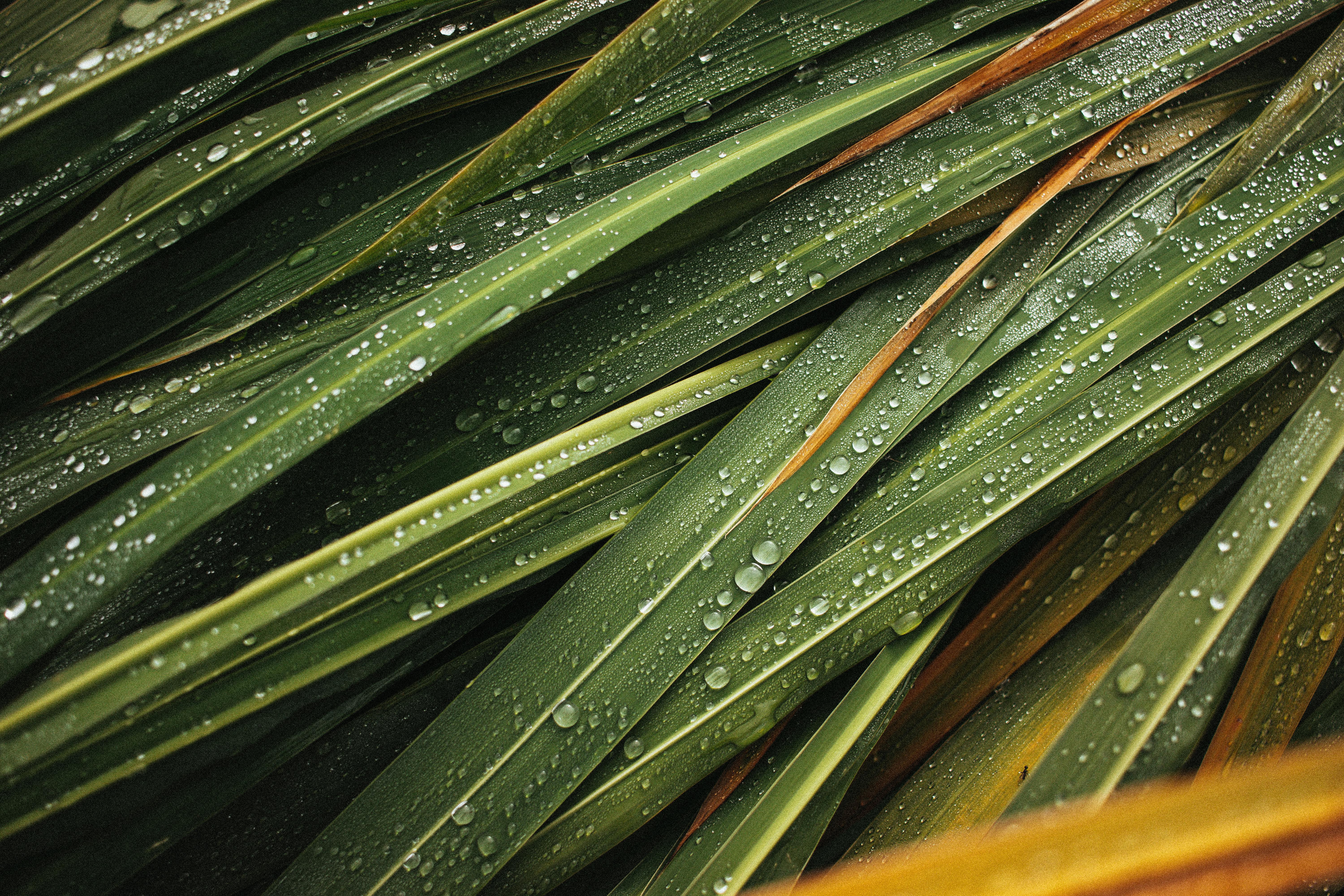
I killed my first snake plant by watering it like a tropical. In my USDA zone 7 winter home, the soil stayed damp forever, and the base went soft. Once I learned a real snake plant watering schedule is mostly about waiting, these plants became my easiest “set-and-forget” houseplants.
Snake Plant Watering Schedule: Exactly When to Water (and When Not To)
Snake plants (Dracaena trifasciata, formerly Sansevieria) store water in thick leaves and rhizomes. That means they tolerate dryness far better than constant moisture—especially in medium to low light.
The schedule I actually use (by season)
In bright indoor light, I often water every 2–4 weeks in spring/summer. In winter, it’s more like every 4–8+ weeks. The exact interval depends on pot size, soil texture, and how warm your home stays. For general indoor growing fundamentals that account for seasonal slowdown, I like starting with practical extension resources like University of Minnesota Extension.
How I decide it’s time (3 checks)
1) Depth dryness
I want the mix dry at least halfway down (a skewer works well).
2) Pot weight
When the pot feels very light, it’s usually ready.
3) Leaf firmness
Leaves look slightly less rigid when thirst is real. Mushy or collapsing leaves usually mean the opposite: too wet.
Light and watering are linked
In low light, snake plants use water slowly. I treat low light as “water less, wait longer.” If you’re dialing in your indoor light placement, I often cross-check broad houseplant light guidance from the Royal Horticultural Society and then watch how quickly my pot dries.
Pots and soil that make watering safer
Terracotta is my favorite for snake plants because it dries faster. I also use a gritty, fast-draining mix (cactus/succulent mix boosted with pumice or perlite). If you’re comparing containers, see best pots for indoor plants. If you’re rebuilding soil, see best soil for houseplants.
Outdoor timing (optional summering)
If you put snake plants outside in summer, do it slowly and keep them shaded at first. Knowing your climate helps; use the USDA Plant Hardiness Zone Map to understand whether warm nights are consistent where you live.
Common Mistakes
- Watering weekly because the soil “looks dry” on top
- Using a pot without drainage holes
- Letting water pool in a decorative cachepot
- Keeping the plant cold and wet near windows
- Upsizing the pot too much “for growth”
- Misting leaves (unnecessary moisture)
Quick Reference Care Table
| Setup | Spring/Summer | Winter | My Note |
|---|---|---|---|
| Bright light + terracotta | 2–3 weeks | 4–6 weeks | Fastest dry-down |
| Medium light + plastic | 3–4 weeks | 6–8+ weeks | Most common indoor setup |
| Low light | 4+ weeks | 8+ weeks | Water only when very dry |
FAQ
How long can a snake plant go without water?
Longer than most houseplants. In winter, I’ve gone 6–8 weeks in medium light with no issues when the soil is airy and the pot has drainage.
Can I bottom-water a snake plant?
You can, but be cautious with soak time and always let it dry thoroughly afterward. I still top-water occasionally to flush salts.
What’s the biggest sign I’m overwatering?
Soft, mushy bases or yellowing with wet soil. Snake plants don’t “wilt from thirst” as often as people assume.
If you tell me your pot size and window direction in the comments below, I can help you choose a realistic snake plant watering schedule for your home.

About the Author
Written by Sage Avery, a plant care writer at Plant Companion Guide. For how we create and update content, see our editorial policy.