Spider Plant Babies: Cut, Root, and Pot Up
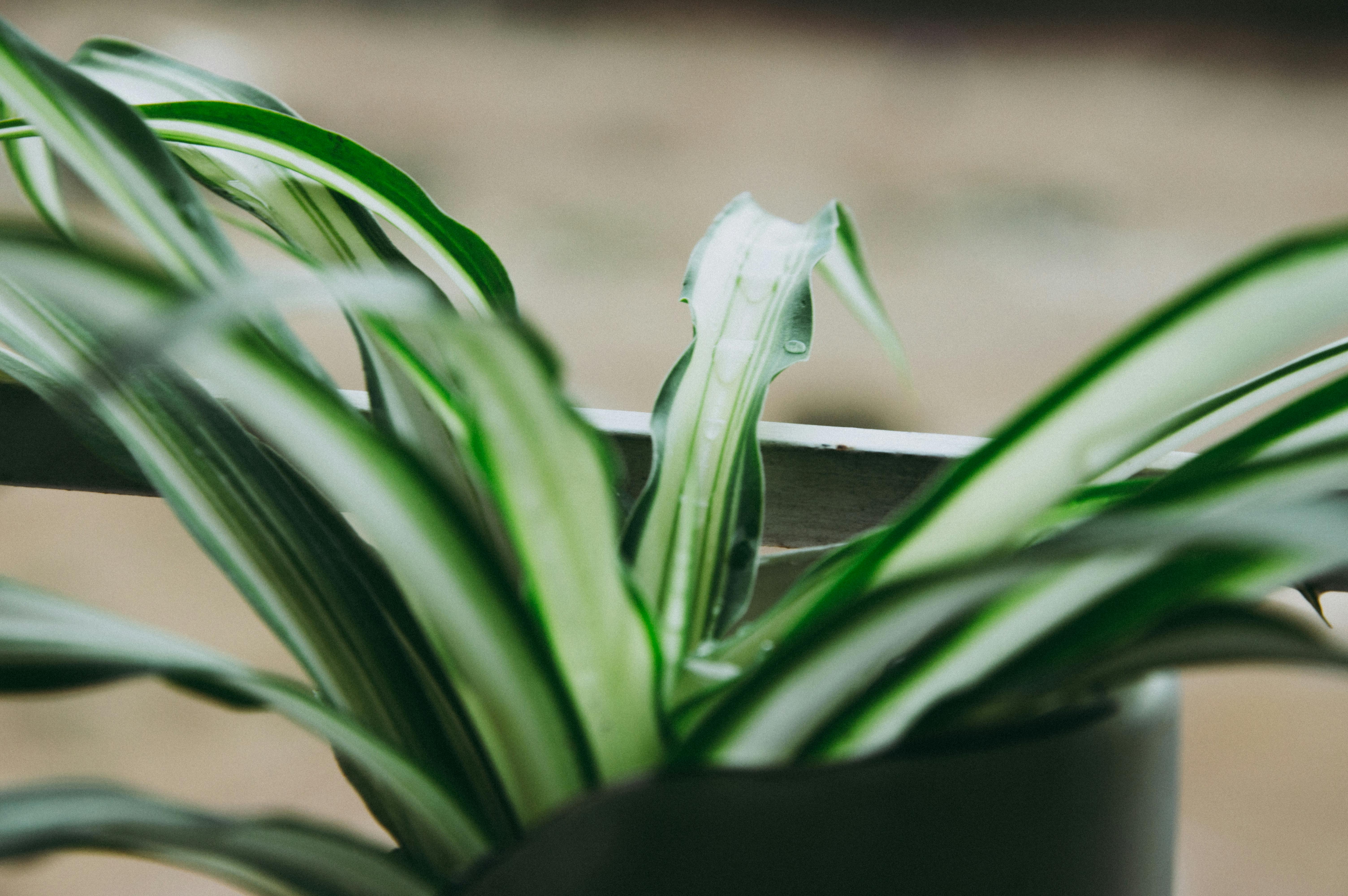
My Chlorophytum comosum 'Variegatum' started sending out runners with tiny plantlets about six months after I brought it home. I was so excited that I immediately snipped off four of them and tried to root them all in water — two survived, two just rotted. Over the years I've refined my approach through trial and error across probably fifty propagations, and now I have a near 100% success rate. The difference, it turns out, comes down almost entirely to timing: knowing when the babies are ready, and knowing exactly when in their development to make each step happen.
What Spider Plant Babies Are (and Why the Plant Produces Them)
Spider plant babies — technically called spiderettes or plantlets — are miniature clonal offshoots that develop at the ends of long, arching stolons (runners) that the mother plant sends out when it's mature and healthy. This is the plant's primary method of vegetative reproduction. In their native southern Africa, these stolons allow Chlorophytum comosum to spread across the ground, with the babies touching down into soil and rooting wherever they land.
Healthy mothers produce babies most prolifically when they're slightly root-bound, receiving bright indirect light, and being fed regularly through the growing season. This is worth knowing because it means a spider plant that's actively producing babies is generally a healthy, well-adjusted plant — and it also means you can encourage baby production by keeping the plant slightly snug in its pot. According to Gardening Know How's spider plant propagation guides, slightly root-bound conditions trigger the reproductive response in Chlorophytum, making pot-sizing a useful tool for growers who want maximum plantlet production.
When to Cut Spider Plant Babies
This is the most common question — and the most common source of propagation failure. Cutting babies too early is the primary reason young spiderettes fail to root. The optimal time to cut is when the plantlet has developed a visible root nub or a small cluster of roots at its base, typically appearing as small white or pale-green bumps below the plantlet's center.
At the right stage, a plantlet should have at least four to six leaves and the leaves should be firm and fleshy, not limp. Plantlets with floppy, sparse, or very tiny leaves are still too juvenile for removal. In practice, I wait until each plantlet is at least an inch and a half across and showing root development at its base. This usually takes two to three months from when the stolon first extends.
If you're not in a rush, you can leave babies attached to the mother plant and position the stolon so the plantlet sits in a small pot of moist soil beside the mother plant. The plantlet will root while still attached and receiving energy from the parent, giving you the strongest possible start. I use this "pin and wait" method for all my high-priority propagations — it produces fully rooted plants ready to be separated within four to six weeks.
How to Root Spider Plant Babies
Once cut from the mother, there are two reliable rooting methods: water rooting and direct soil rooting. Each has advantages depending on your goal.
Water Rooting
Place the cut base of the plantlet in a small glass or jar of room-temperature water, ensuring that only the base (not the leaves) is submerged. Change the water every three to four days to prevent stagnation and rot. Roots will typically emerge within one to three weeks. The critical step many growers skip: once water roots are one to two inches long, pot the plantlet up into soil promptly. Leaving it in water too long produces water-adapted roots that struggle to transition to soil. The Spruce's houseplant propagation guides emphasize the importance of timing the water-to-soil transition carefully for most tropical houseplant cuttings, including spider plant babies.
Direct Soil Rooting
For plantlets that already have visible root nubs, direct soil rooting is faster and produces stronger plants. Fill a small pot (2 to 3 inches) with moist propagation mix — a blend of perlite and potting soil works well. Make a small indent in the center and nestle the plantlet's base into it. Firm the mix gently around the base and keep the medium consistently moist (but not soggy) for the first two to three weeks while roots establish. Cover loosely with a clear plastic bag to increase humidity and speed rooting.
I use direct soil rooting for most of my spider plant babies now. The plants establish faster, skip the water-to-soil adjustment phase, and tend to produce new leaves sooner after potting. Root development is usually complete within three to four weeks at room temperature (65–75°F).
When to Pot Up Rooted Spiderettes
Whether you've rooted in water or soil, the signal for potting up is the same: the plant should have a visible root system and be actively producing new leaves. For water-rooted plants, this means roots are one to two inches long. For soil-rooted plants, it means the plant resists a gentle tug (a sign roots have anchored), and new leaves are emerging from the center.
Use a pot no larger than three to four inches for newly potted spiderettes — too much soil volume around small root systems leads to waterlogging. A mix of standard potting soil with a small addition of perlite (about 20%) provides good drainage and moisture balance. Keep the newly potted baby in bright indirect light and maintain consistent moisture for the first four weeks as it adjusts to its new home. The Missouri Botanical Garden's plant propagation resources note that consistent warmth — ideally above 60°F — and indirect light are the two most important factors in the successful establishment of newly potted houseplant cuttings and offshoots.
Caring for Newly Potted Spider Plants
Newly potted spiderettes need a brief adjustment period. For the first month, avoid fertilizing — the root system is too small to handle nutrients efficiently and fertilizer burn is a real risk at this stage. After the first month, begin light feeding with a balanced liquid fertilizer at quarter strength, increasing to half strength once the plant is actively growing and has filled its small pot. Full feeding can begin once you size up to a larger pot.
Spider plants prefer temperatures between 65 and 80°F (18–27°C) — they're hardy down to about 35°F outdoors, but as indoor plants they perform best within this comfort zone. In USDA hardiness zones 9 through 11, they can be grown outdoors year-round in shaded positions. Everywhere else, they're strictly indoor plants or summer patio plants brought inside before first frost.
Common Mistakes With Spider Plant Propagation
- Cutting babies too early: Plantlets without root nubs or fewer than four leaves have a much lower success rate. Wait for visible root development.
- Leaving water-rooted plants in water too long: Once roots hit one to two inches, pot into soil immediately. Overly long water roots adapt poorly to soil.
- Using too large a pot: A three-inch pot maximum for newly rooted plantlets prevents waterlogging.
- Fertilizing too soon: Wait at least four weeks after potting before introducing any fertilizer.
- Cutting the stolon before there's any root development: Patience produces far healthier plants than haste.
Quick Reference Care Table
| Stage | Timing | Key Condition |
|---|---|---|
| Identify ready babies | 2–3 months after stolon emerges | 4+ leaves; visible root nubs at base |
| Cut from mother | When root nubs are visible | Use clean scissors; cut stolon close to plantlet |
| Water rooting | 1–3 weeks | Pot up when roots reach 1–2 inches |
| Soil rooting | 3–4 weeks | Resist gentle tug; new leaves emerging |
| First fertilization | 4 weeks after potting | Quarter-strength balanced liquid feed |
| Size up pot | When roots fill 3-inch pot | Move to 4–5 inch pot with fresh mix |
Frequently Asked Questions
Can I leave spider plant babies attached to the mother indefinitely?
Yes, though very large numbers of attached babies will eventually draw energy from the mother plant and may slow its growth. Aesthetically, long cascading stolons with many plantlets are part of the charm of spider plants. Most growers remove babies when they want to propagate or share the plant, not because leaving them attached causes serious harm.
Why are my spider plant babies turning brown after I cut them?
Brown tips on newly cut spiderettes are usually caused by one of three things: the plantlet was cut before it had developed enough root mass, the base is sitting in stagnant water (change water every three to four days when water rooting), or the cutting was exposed to dry air without any humidity support. Try covering loosely with a clear plastic bag to increase humidity around newly cut plantlets.
My spider plant has been growing for two years but hasn't produced any babies — why?
Several conditions discourage baby production: too much pot space (repot into a snugger pot), insufficient light, no fertilization during the growing season, or the plant simply being too young. Most spider plants begin producing stolons in their second or third growing season under good conditions. A dose of a low-nitrogen, high-phosphorus fertilizer in late winter can also help trigger flowering and plantlet production.
Spider plant propagation is one of the most rewarding things you can do as a plant parent — you go from one plant to a dozen in a single season, with plenty to share. The key is simply patience: wait for the right stage, and each step after that becomes almost foolproof. Share your propagation wins in the comments below, and check out our guides on complete spider plant care and the best low-maintenance houseplants for beginners.

About the Author
Written by Sage Avery, a plant care writer at Plant Companion Guide. For how we create and update content, see our editorial policy.