Spider Plant Care and Propagation
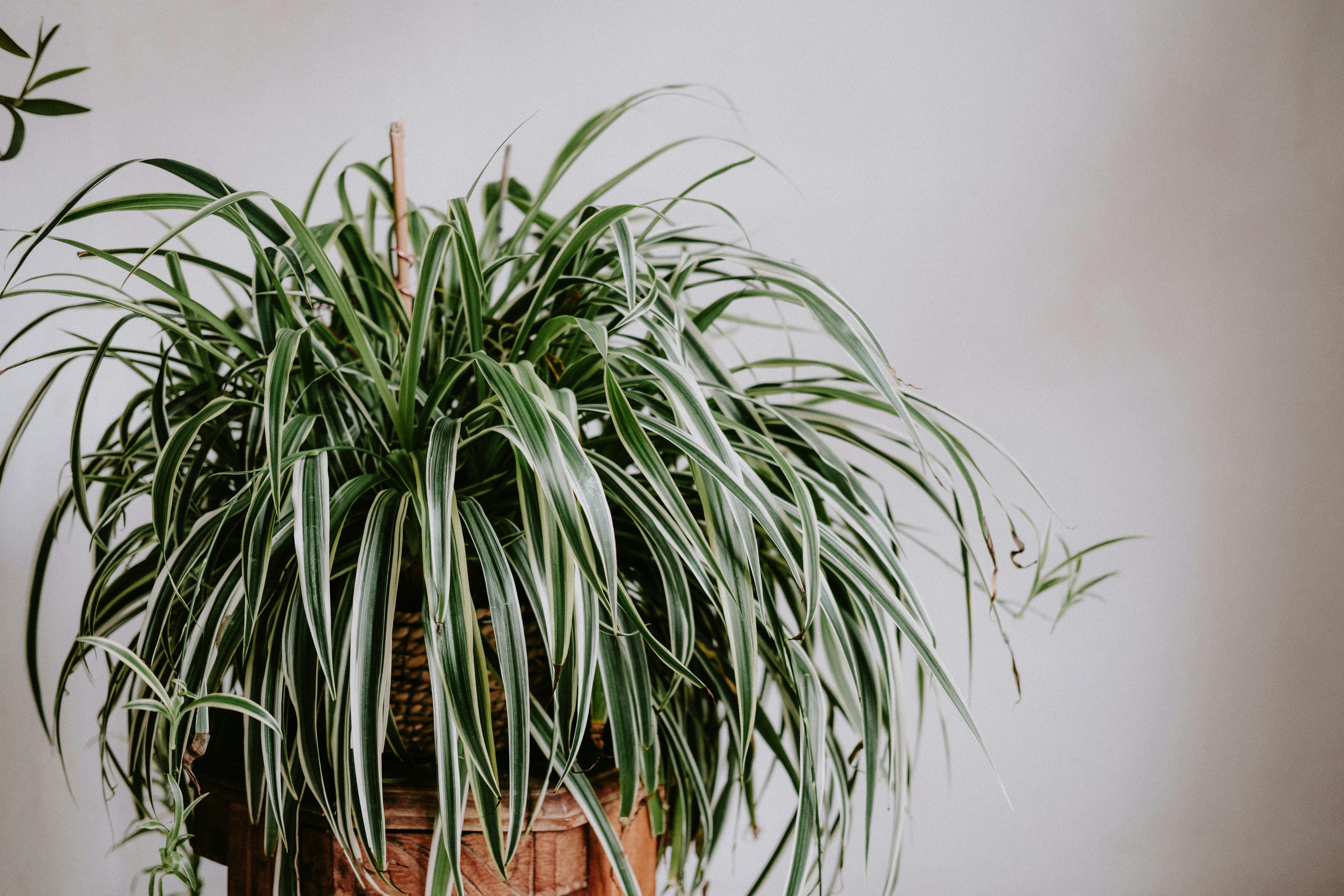
The Prolific Air Purifier: Easy Care for Spider Plants
Chlorophytum comosum, with its cheerful arching leaves and constant production of 'babies' (plantlets), is one of the first plants I ever propagated. It's non-toxic, exceptionally easy, and effective at removing pollutants.
Care Basics for Lush Growth
- Light: Prefers bright, indirect light (500-1,000 FC) but tolerates medium light. Some direct morning sun is okay. In too much shade, variegation (on varieties like 'Vittatum') may fade.
- Water: Water when the top inch of soil feels dry. They like to dry out slightly between waterings. They are sensitive to fluoride in tap water, which can cause brown leaf tips. Use filtered or distilled water if possible.
- Soil: A standard, well-draining potting mix.
- Temperature & Humidity: Average household conditions are fine. Ideal temp: 55-80°F.
- Fertilizer: Feed monthly in spring/summer with a balanced, water-soluble fertilizer at half strength.
Propagating the Babies: Two Simple Methods
Spider plants produce plantlets on long stolons (runners).
Method 1 (Soil):
Pin a plantlet, still attached to the mother, onto a small pot
of moist soil. Once rooted (in 2-3 weeks), sever the stolon.
Method 2 (Water):
Snip the plantlet off and place its base in water until roots
develop, then pot up. I find soil propagation faster and less
disruptive.
Common Issues and Solutions
Brown Leaf Tips: Most commonly from
fluoride/chemicals in water or low humidity. Switch to filtered
water.
All-White Leaves on Variegated Types:
These lack chlorophyll and will brown and die. You can remove
them.
Not Producing Babies: The plant may
be too young, pot-bound, or not receiving enough light. Mature,
slightly root-bound plants in bright light are most prolific.
Pet Safety: The ASPCA lists Spider Plants as non-toxic to cats and dogs, making them a safe choice for pet owners.

About the Author
Written by Sage Avery, a plant care writer at Plant Companion Guide. For how we create and update content, see our editorial policy.