Square Foot Gardening: High-Yield Vegetables in Small Space
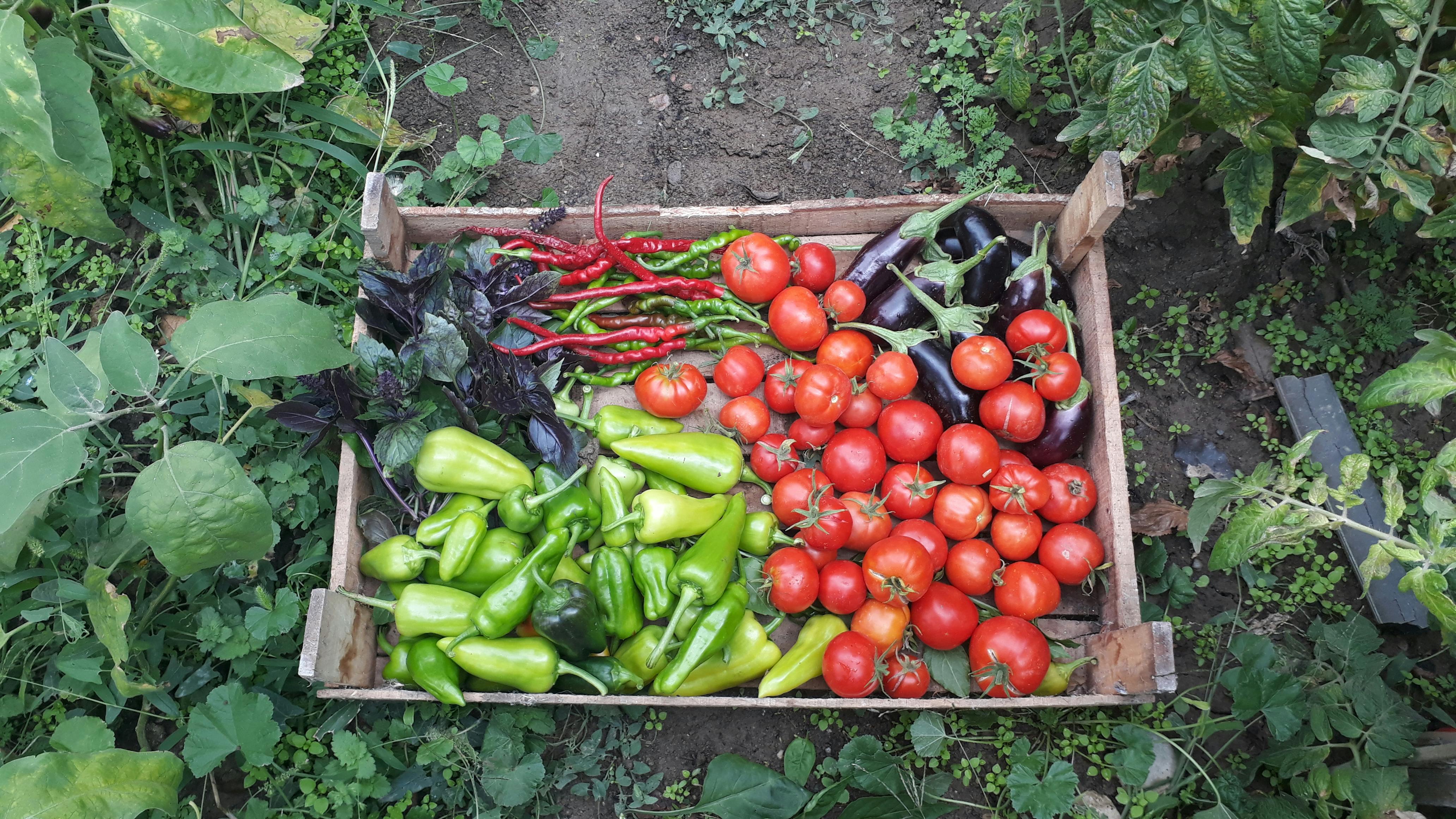
My first vegetable garden was a traditional row garden — long parallel furrows with plants spaced according to seed packet directions, separated by wide paths of bare soil that I had to kneel between to weed. I was producing a reasonable harvest but spending enormous time maintaining all that empty space. Then I read Mel Bartholomew's Square Foot Gardening and completely redesigned my approach. My four-by-four-foot raised bed now produces more fresh vegetables through the season than my original twelve-foot row garden, with a fraction of the weeding and watering. The method works because every square inch is productive, and the intensively planted canopy shades out most weeds.
The Square Foot Gardening Concept and Grid System
Square foot gardening (SFG) divides the growing area into a grid of one-foot-by-one-foot squares, each planted with a different crop at a density determined by the plant's mature size. Large plants like broccoli or peppers get one plant per square. Medium plants like chard or large lettuce varieties get four plants per square. Small plants like spinach or beets get nine per square. The smallest plants — radishes, carrots — get sixteen per square. This intensive spacing eliminates bare soil, creates a canopy that suppresses weeds, reduces water evaporation, and maximizes yield from the growing area.
The physical grid is constructed from narrow strips of wood, twine, or any straight-edged material laid across the top of the raised bed to create visible one-foot squares. This grid is the planning and planting tool — it makes spacing intuitive (center of each square for single-plant squares; corners for four-plant squares) and prevents the crowding that occurs when gardeners eyeball spacing casually. According to The Old Farmer's Almanac's intensive gardening resources, intensive square-foot-style planting can produce two to three times the yield of traditional row gardening from the same area.
Mel's Mix: The Foundation Soil
Bartholomew's signature soil mix — one-third blended compost, one-third coarse vermiculite, and one-third peat moss or coco coir — is the standard growing medium for SFG raised beds. This mix is light, free-draining, moisture-retentive, and fertile. Critically, it doesn't compact as significantly as soil-based mixes, which matters enormously in an intensively planted system where plant roots are numerous and close together. The vermiculite provides permanent structure that maintains the loose, aerated texture over multiple growing seasons.
You can source the three components from garden centers and mix in a wheelbarrow or directly in the bed. Coco coir is increasingly preferred over peat moss as a more sustainable alternative with equivalent properties. Supplement with two to three inches of fresh compost added to the top of the bed each spring — the soil level drops as organic matter decomposes, and annual compost additions maintain the bed's height, fertility, and structure. For making your own compost, see our beginner composting guide. For related intensive gardening approaches, visit our raised bed gardening guide.
Succession Planting: The Secret to Continuous Harvest
One of the most powerful SFG techniques is succession planting — rather than filling a square and then leaving it empty after harvest, immediately replanting the harvested square with the next season's crop. When your spring lettuce square is finished in June, immediately plant it with basil or cucumbers for summer. When the summer beans finish in August, immediately plant a fall kale or spinach crop. This continuous rotation keeps every square productive through the entire growing season rather than peaking once and then sitting empty.
To plan succession planting effectively, know your average first and last frost dates and work backward from there to determine which crops go in when. In a Zone 6 garden, the planting cycle might be: spring cool-season crops (March–May) → warm-season crops (May–August) → fall cool-season crops (August–October). Each square cycles through at least two and often three crops per season. University of Minnesota Extension's vegetable planting calendars provide detailed succession planting guidance for different regional climates.
Plant Selection and Spacing Reference
Choosing crops appropriate for your square footage is essential. The most productive crops for SFG in terms of yield per square foot include: salad greens (nine to sixteen per square foot, continuous harvest), radishes (sixteen per square, twenty-five days to maturity), beans (four to nine per square foot, prolific), cherry tomatoes (one per square but trained vertically on a trellis to maximize that square's output), kale and chard (one to four per square, cut-and-come-again for months), and herbs (one square of basil or parsley supplies a family's kitchen herb needs). Crops that are less efficient for SFG include corn (too space-hungry), sprawling squash (needs too many squares per plant), and watermelons (same). The key principle: choose crops with high yield-to-space ratios. According to Gardening Know How's square foot gardening resources, cherry tomatoes trained vertically are the highest-yield single plant in square foot garden systems.
Common Mistakes to Avoid
- Not building the physical grid: Without a grid, eyeballed spacing drifts toward overcrowding. Build and install the grid before planting.
- Not practicing succession planting: SFG without succession planting produces a peak-and-trough harvest pattern rather than continuous production. Replant every harvested square immediately.
- Using soil-based medium: Mel's Mix or a commercial raised bed mix is essential. Garden soil compacts in raised beds and defeats the structure advantage of the SFG system.
- Planning one plant per square for everything: Small plants like spinach, beets, and radishes have generous per-square densities in SFG — follow the plant-per-square charts rather than applying one-per-square universally.
- Starting with too large a bed: A four-by-four-foot bed is the ideal starting size. It's reachable from all sides and manageable for a first-season learner. Expand once you're comfortable with the system.
Quick Reference Square Foot Spacing Table
| Plants per Square Foot | Crops |
|---|---|
| 1 plant | Tomatoes, peppers, broccoli, cabbage, eggplant, kale (large) |
| 4 plants | Swiss chard, marigolds, large leaf lettuce, basil, parsley |
| 9 plants | Bush beans, spinach, small beets, peas (bush type) |
| 16 plants | Radishes, carrots, onions (sets), green onions, turnips |
Frequently Asked Questions
Do I need to use exactly Mel's Mix, or can I substitute?
You can substitute. The goal of Mel's Mix is a light, fertile, well-draining, non-compacting growing medium. Commercial raised bed mixes available at garden centers approximate these properties and work well. The critical elements are adequate drainage (no heavy soil), moisture retention (not pure sand or gravel), and fertility (compost component). Many experienced SFG gardeners simplify to a blend of commercial potting mix, compost, and perlite with good results. The one component not to compromise on is the compost — it provides the nutrient base that makes intensive planting possible.
Can square foot gardening work in containers on a balcony?
Yes, perfectly. A four-by-four-foot raised bed that's twelve to eighteen inches deep can be placed on any structural-rated balcony or patio. Alternatively, the SFG principles apply to any container or planter — even a two-foot window box can be gridded and succession-planted intensively. The key balcony consideration is structural weight: a filled four-by-four-foot bed weighs approximately four hundred to six hundred pounds — verify your balcony's load capacity before construction.
How do I keep records of what went where for crop rotation?
A simple hand-drawn grid on paper with the current season's planting noted per square is the most practical record-keeping system. Photograph your planted bed from above at the start of each season. These records allow you to avoid planting the same family of vegetables in the same squares two seasons in a row — the standard three-to-four-year rotation recommendation for nightshades, brassicas, and legumes applies in SFG just as in row gardening, preventing soil-borne disease and pest buildup.
Square foot gardening is the single most practical method I know for maximizing food production from a small space. Once you start thinking in squares rather than rows, the efficiency improvements are immediately obvious and the harvest results speak for themselves. Drop your SFG planning questions in the comments below.

About the Author
Sage Avery is a passionate gardener and plant enthusiast sharing tips for a greener life.