Starting Seeds Indoors: Get a Head Start on the Season
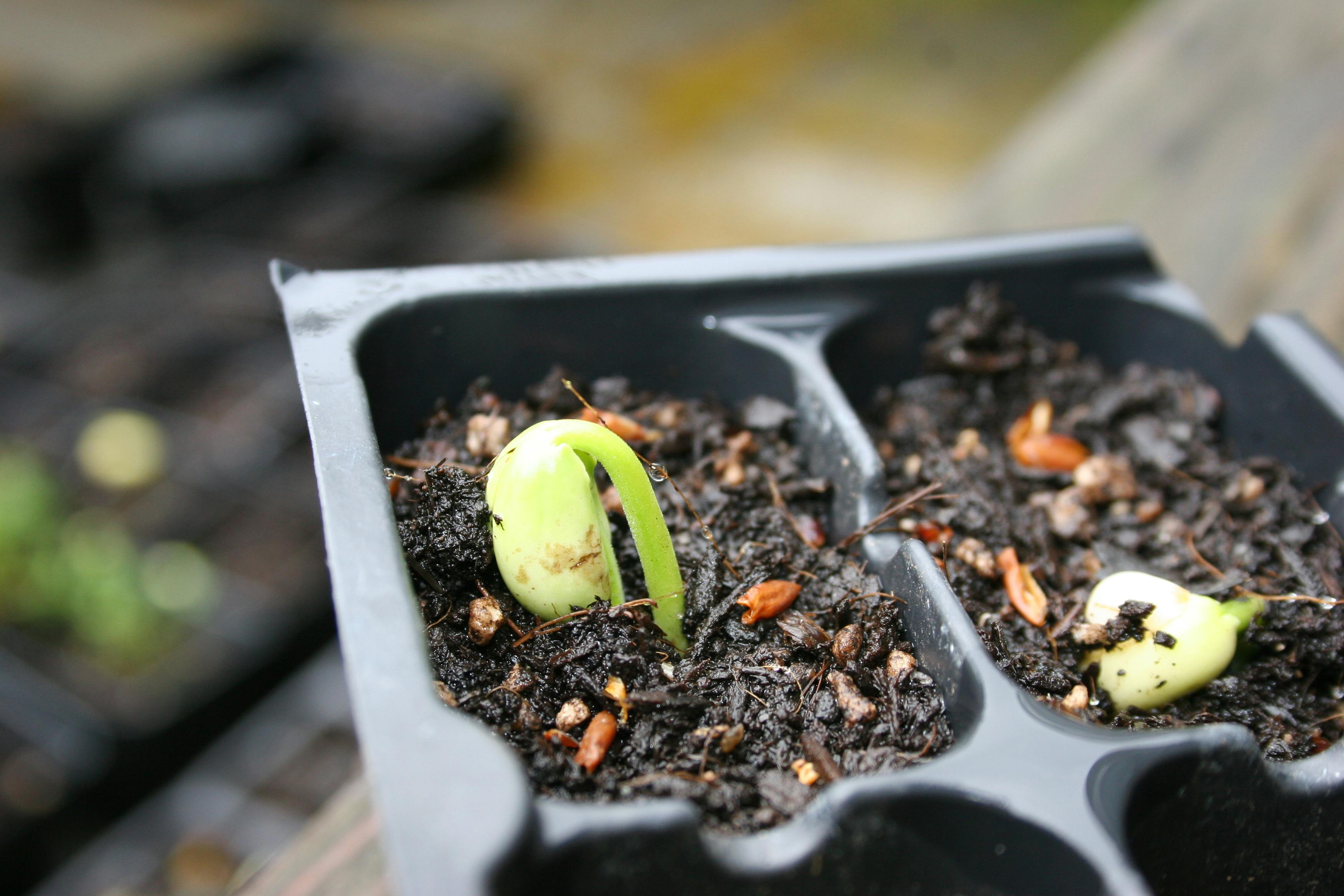
My first attempt at seed starting was an overlit disaster — I germinated a hundred tomato seedlings on a south windowsill in February, watched them grow tall and spindly within two weeks, and ended up with leggy, weak transplants that couldn't hold themselves upright. The problem wasn't the seeds; it was starting them too early without a proper grow light to provide the intensity needed for compact, stocky growth. The second year, I invested in a basic T5 fluorescent shop light hung two inches above the seedling tray, started tomatoes eight weeks before my last frost date, and produced transplants that looked genuinely nursery-quality. Seed starting is simple — once you understand the light and timing variables that determine success.
Timing: When to Start Seeds Indoors
The foundation of successful seed starting is working backward from your last frost date. Find your USDA hardiness zone and last average frost date first — this is your anchor point. Tomatoes and peppers need eight to twelve weeks of indoor growing time before transplanting after the last frost; they should be started in late winter (February through early March in most of the northern United States). Brassicas like broccoli, cabbage, and cauliflower need six to eight weeks and can be started earlier, as they tolerate mild frost. Cucumbers, squash, and melons need only three to four weeks of indoor time and should be started later to avoid root-binding in small cells before it's warm enough to transplant.
A good seed-starting calendar: count backward from your last frost date the number of weeks recommended on the seed packet, then add one week for germination. That's your start date. Starting seeds too early produces root-bound, pot-hard plants that transplant poorly; starting too late defeats the purpose of starting indoors. The USDA Plant Hardiness Zone Map is the definitive resource for identifying your zone and typical frost dates. University cooperative extension services like University of Maryland Extension provide region-specific seed-starting calendars for their respective states.
Equipment and Seed-Starting Mix
You need very little specialized equipment to start seeds successfully: a shallow tray or individual cells (72-cell or 50-cell trays are ideal for most vegetable starts), a good seed-starting mix, and a grow light. Do not use garden soil or standard potting mix for seed starting — both are too heavy, compact quickly in small cells, and often harbor pathogens that kill seedlings as damping off. Seed-starting mix is a finely-textured, sterile, peat- or coco-coir-based medium that holds moisture evenly and provides good aeration for developing root systems.
Moisten the seed-starting mix before filling cells — it should feel like a wrung-out sponge, evenly damp throughout. Fill cells, make a shallow depression with a pencil tip, place the seed at the recommended depth (usually two to three times the seed's diameter), cover, and press gently to ensure soil-to-seed contact. Label every tray immediately. A heat mat set to 70–75°F (21–24°C) dramatically accelerates germination for heat-loving crops like tomatoes, peppers, and basil — seeds that germinate in ten to fourteen days at room temperature often sprout in five to seven days on a heat mat.
Grow Lights: The Make-or-Break Factor
A windowsill is not sufficient for most seedlings. Even a south-facing window provides far less light intensity than a cloudy outdoor day, and the low angle of winter light produces leggy seedlings that reach desperately toward the glass. A grow light positioned two to three inches above the seedling canopy provides the intensity needed for compact, stocky growth. T5 fluorescent shop lights, which produce usable light across their entire tube length, are the most economical option. LED grow lights are more energy-efficient and produce less heat. Run lights for fourteen to sixteen hours daily on a timer.
As seedlings grow, raise the light to maintain a two-to-three-inch distance above the canopy — touching the light causes heat damage, but being too far away produces etiolation. The difference between seedlings grown two inches from a grow light versus six inches from a windowsill is dramatic: the grow-light seedlings are compact and dark green; the windowsill seedlings are pale, stretched, and weak. For more on grow light use for indoor growing, see our indoor vegetable garden guide. For broader seed-starting techniques applied to houseplants, visit our growing houseplants from seed guide.
Hardening Off: The Critical Transition Step
Seedlings grown indoors under controlled conditions have never experienced wind, direct sun intensity, temperature fluctuations, or dry outdoor air. Transplanting them directly from indoors to the garden shocks them severely — leaves burn, stems snap in wind, and growth stalls for weeks. Hardening off is the gradual acclimatization process: starting one to two weeks before your transplant date, place seedlings outdoors in a sheltered, shaded spot for two to three hours on a mild day. Gradually increase outdoor exposure over the following week — more time, more sun, more wind. By the end of two weeks, the seedlings can tolerate full outdoor conditions. The Old Farmer's Almanac's seed-starting resources describe this hardening-off process as essential for transplant success, particularly for tomatoes, peppers, and other warm-season crops.
Common Mistakes to Avoid
- Starting too early: Root-bound seedlings in small cells perform worse at transplanting than younger, less-bound plants. Follow timing charts carefully.
- Using garden soil or potting mix: Always use sterile seed-starting mix to prevent damping-off disease.
- Overwatering: Seedlings in wet, oxygen-deprived media are highly susceptible to damping-off (fungal stem collapse at soil level). Water from below by placing trays in shallow water briefly rather than overhead misting.
- Skipping hardening off: Transplanting directly from indoors to the garden causes significant transplant shock and often kills seedlings.
- Not labeling trays: Dozens of seedlings look identical as tiny sprouts. Label immediately at planting.
Quick Reference Seed-Starting Table
| Crop | Weeks Before Last Frost | Germination Temp | Days to Germinate |
|---|---|---|---|
| Tomatoes | 6–8 weeks | 70–80°F (21–27°C) | 5–10 days |
| Peppers | 8–12 weeks | 75–85°F (24–29°C) | 10–21 days |
| Broccoli/Cabbage | 6–8 weeks | 65–75°F (18–24°C) | 5–10 days |
| Cucumbers/Squash | 3–4 weeks | 70–90°F (21–32°C) | 5–10 days |
| Basil | 6–8 weeks | 70–85°F (21–29°C) | 7–14 days |
| Lettuce | 4–6 weeks | 60–70°F (15–21°C) | 7–14 days |
Frequently Asked Questions
What is damping off and how do I prevent it?
Damping off is a fungal disease that causes seedling stems to collapse at soil level, typically within the first few weeks after germination. It's caused by several soil-borne pathogens (Pythium, Rhizoctonia, Fusarium) that thrive in wet, poorly-aerated conditions. Prevention: use sterile seed-starting mix, water from below rather than overhead, ensure good air circulation around seedlings (a small fan on low helps), and avoid overwatering. Once damping off appears in a tray, it spreads quickly — remove affected seedlings immediately and increase air circulation around the remaining plants.
Can I use egg cartons or yogurt containers as seed-starting cells?
Yes, with modifications. Cardboard egg cartons work well for seeds that will be transplanted relatively quickly (four to six weeks), as the cardboard begins to degrade and become moldy with prolonged moisture. Make drainage holes in the bottom of yogurt containers and any plastic recycled containers. The key limitation is cell size — tiny containers restrict root development quickly, so be prepared to pot up seedlings into larger containers if they'll be indoors for more than four to six weeks before transplanting.
When should I thin seedlings?
Thin seedlings as soon as the first true leaves appear (not the seed leaves, but the first actual leaves that look like the plant's mature foliage). If multiple seeds germinated in one cell, thin to the strongest single seedling by snipping at soil level — don't pull, which disturbs remaining roots. Crowded seedlings compete for light, nutrients, and air circulation, increasing disease risk and producing weaker plants than single, well-spaced seedlings.
Seed starting is one of the most economical and satisfying ways to build a garden — a five-dollar seed packet can produce dozens of plants that would cost fifty dollars at a nursery. Get the timing and the light right, and the process becomes genuinely addictive. Drop your seed-starting questions in the comments below.
About the Author
Sage Avery is a passionate gardener and plant enthusiast sharing tips for a greener life.