Sticky Leaves on Houseplants: Clean and Treat Your Plant
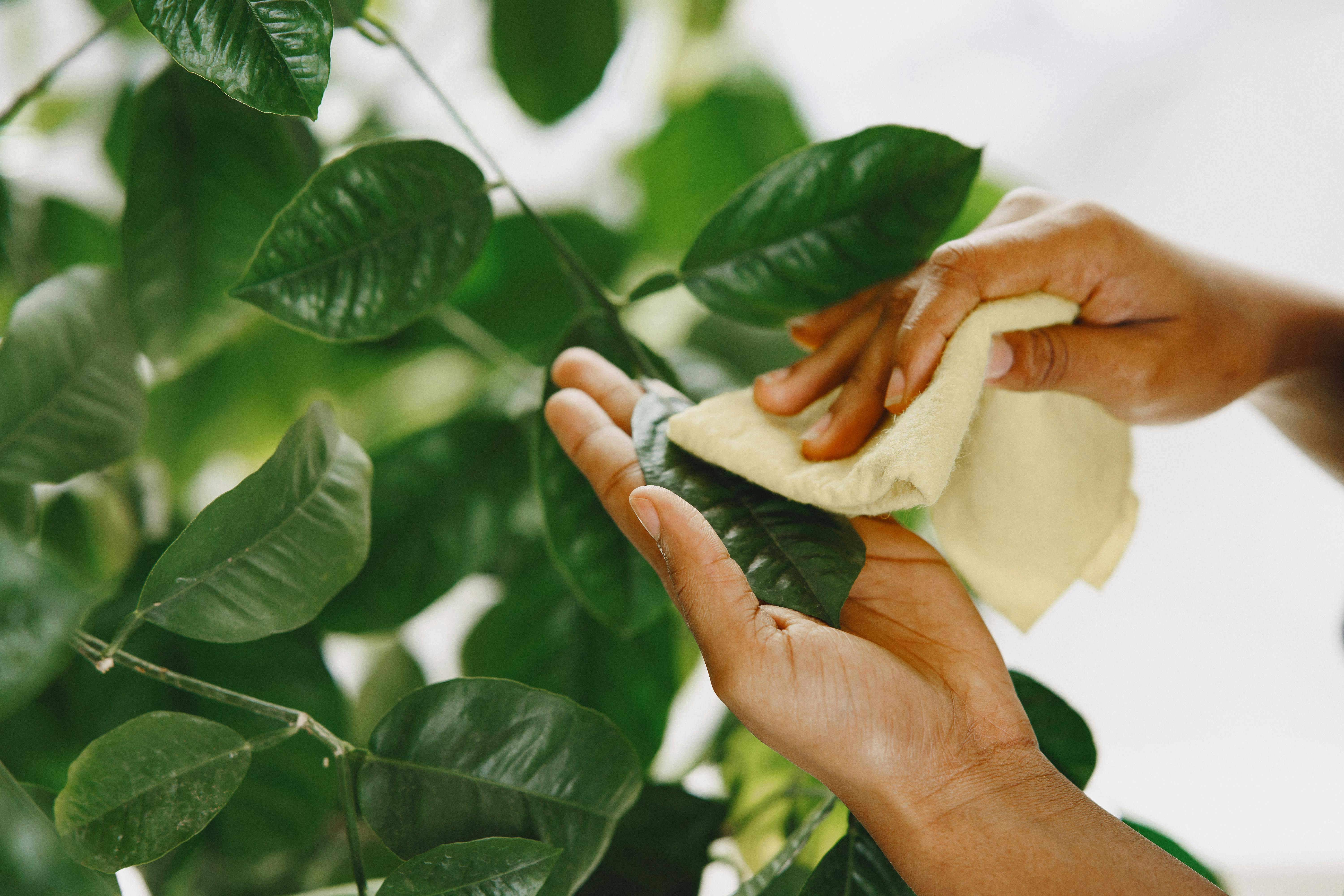
Sticky residue on houseplant leaves is almost never caused by the plant itself — it's almost always a sign of insect pests, specifically ones that excrete a sugary liquid called honeydew as a byproduct of feeding. Identifying which pest is responsible is the first step, because the cleaning approach and treatment method differ depending on the culprit. The good news: if caught early, sticky leaf pests are very treatable, and the cleaning process itself is straightforward.
What Causes Sticky Leaves
Aphids: Tiny, soft-bodied insects (1–3 mm) that cluster on new growth, stem tips, and leaf undersides. They come in green, black, brown, and white varieties and multiply rapidly. Look for the insects themselves along with the stickiness — aphids are visible to the naked eye if you turn the plant and look at new growth and stem tips. The honeydew they produce is often most noticeable on leaves below where they're feeding.
Mealybugs: White, cottony-looking insects that hide in leaf junctions, stem crevices, and on root surfaces. They produce significant honeydew and are a very common cause of sticky houseplant leaves. Check leaf junctions and the undersides of leaves along the midrib — mealybugs prefer sheltered spots.
Scale insects: Brown or tan bumps adhered to stems and leaf undersides. Scale are often overlooked because they don't look like conventional insects. Their honeydew production causes sooty mold on leaves below. See our scale guide for complete identification and treatment.
Whitefly: Tiny white insects that flutter when the plant is disturbed, leaving behind a sticky residue and visible eggs and nymphs on leaf undersides. More common on outdoor plants but occasional on indoor plants, particularly those brought in from outside.
Cleaning the Sticky Residue
Cleaning sticky leaves serves two purposes: it removes the honeydew (which will grow sooty mold if left) and allows you to inspect the plant thoroughly for insects. Prepare a solution of warm water with a few drops of dish soap. Dip a soft cloth or sponge in the solution and gently wipe each leaf, both top and underside, working from the stem outward. For textured or hairy leaf surfaces, a soft toothbrush works better than a cloth. For small-leaved trailing plants, a shower rinse with slightly warm water is the most practical approach.
If sooty mold has developed (a dark, powdery or dusty coating on leaf surfaces), the same soapy water solution removes it. The mold doesn't penetrate leaf tissue and causes no lasting damage — it does block light, though, so removal improves the plant's photosynthesis as well as its appearance.
Treating the Underlying Pest
Cleaning removes honeydew but doesn't eliminate the insects producing it. After cleaning, treat for the specific pest. For aphids: insecticidal soap spray applied directly to insects every three to four days for two weeks works well; strong jets of water can also physically remove aphid colonies. For mealybugs: dip a cotton swab in 70% isopropyl alcohol and apply directly to each visible insect — the alcohol kills on contact and is safe for most plant surfaces. Repeat every five to seven days and inspect for at least four weeks. For scale: see the dedicated scale guide. For whitefly: yellow sticky traps catch adults; insecticidal soap treats nymphs on leaf undersides.
Preventing Recurrence
Pests spread from plant to plant through contact, by movement from newly purchased plants, or by coming in from outdoor plants. Quarantine any new plants for two to three weeks before placing them with your existing collection. Inspect all plants monthly — turn leaves over and check stem junctions. Healthy, well-lit, appropriately watered plants are more resistant to severe pest infestations than stressed plants, but no plant is immune. A regular inspection routine catches problems when they're small and much easier to treat.
About the Author
Sage Avery is a passionate gardener and plant enthusiast sharing tips for a greener life.