String of Pearls Care: How to Prevent Shriveling and Root Rot
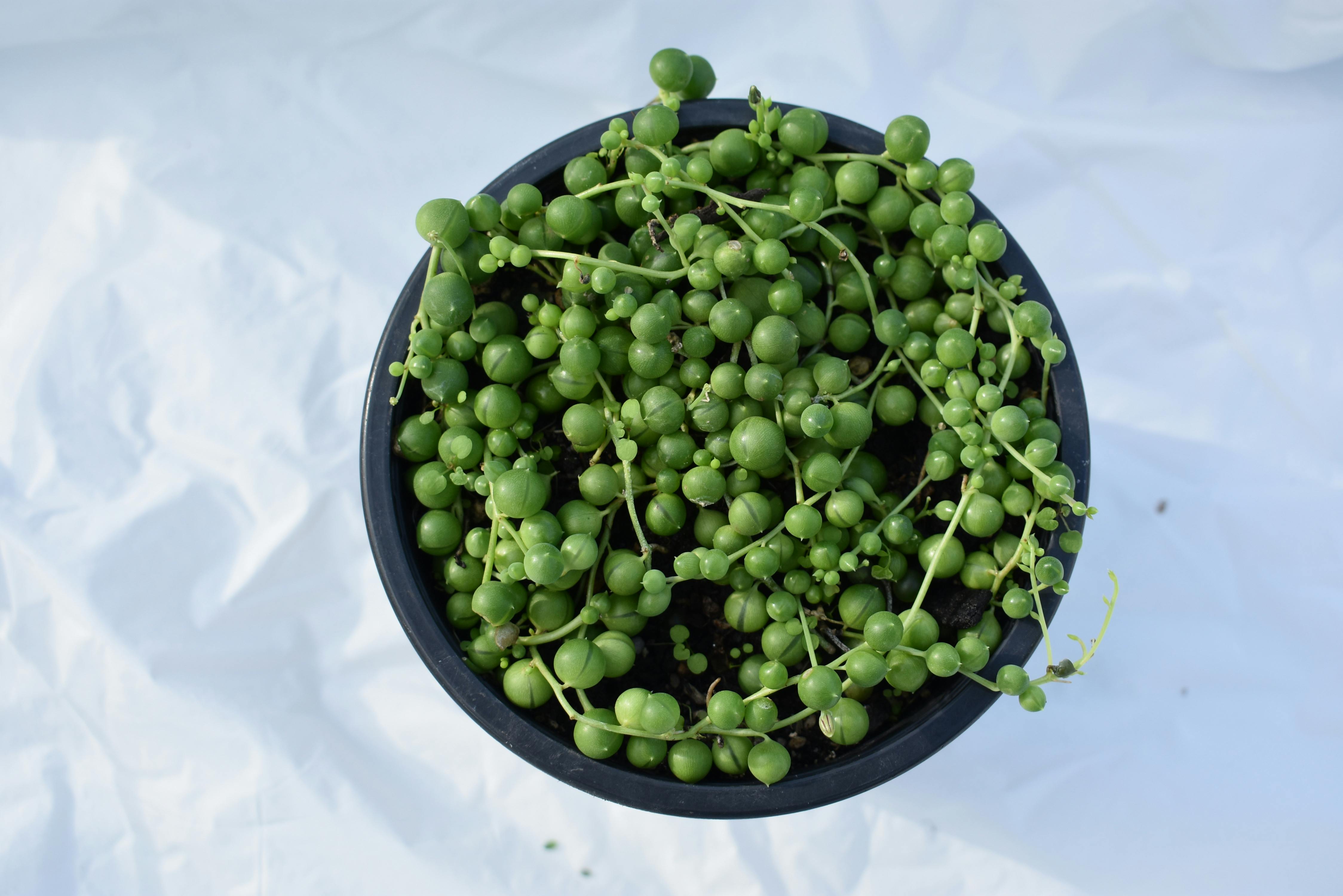
My first string of pearls lasted exactly six weeks before the pearls began shriveling like raisins, the stems yellowed from the base, and the whole trailing cascade I'd been so excited about collapsed into a soggy, root-rotted mass. I had overwatered it — badly — using the same schedule I applied to my tropical plants, completely ignoring the fact that this plant is a succulent that stores water in each individual bead. My second attempt went better. My third attempt is currently trailing 28 inches from a hanging planter in my south-facing window and is one of the most striking plants I've ever grown. The difference between failure and success with Curio rowleyanus (formerly Senecio rowleyanus) comes down to three things: the right light, the right soil, and the right restraint with watering.
Understanding String of Pearls Growth Habits
String of pearls is a trailing succulent native to the semi-arid regions of southwestern Africa. Each "pearl" is a modified, spherical leaf that stores water — a brilliant evolutionary adaptation to drought conditions. The plant produces long, thread-like stems that cascade downward naturally, making it a stunning subject for hanging planters or elevated shelves where the trails can hang freely.
It's classified as a succulent in the broad sense, but it behaves somewhat differently from most desert succulents: it prefers brighter light than many beginners expect, dries out faster because the pearls lose moisture in low-humidity environments, and is more sensitive to root rot than tougher succulents like jade or aloe. It's not a plant for total neglect — it rewards attentive, informed care rather than abandonment. According to Gardening Know How's comprehensive houseplant library, string of pearls is among the succulents most frequently killed by overwatering due to its extremely fine, shallow root system, which has almost no tolerance for prolonged saturation.
Light: The Foundation of String of Pearls Success
String of pearls needs bright light — significantly more than most trailing houseplants. My thriving specimen hangs in a south-facing window and receives several hours of direct morning and early afternoon sun. The pearls are plump, the growth is vigorous, and new trails have extended by nearly six inches since spring.
In lower light, the pearls shrink and space out along the stems (the plant stretches seeking light), the stems become thin and weak, and the whole plant becomes far more vulnerable to root rot because the soil dries more slowly. A bright east- or south-facing window is ideal. If you have only north- or west-facing windows, a grow light positioned 6–12 inches above the planter and running 12–14 hours daily will compensate adequately. This is one plant where I would not compromise on light — it's the single biggest predictor of success or failure.
Signs of Insufficient Light vs. Too Much Light
- Too little light: Pearls shrinking and spacing out along stems; pale green or yellowish color; slow or absent growth
- Too much direct sun: Pearls developing flat sides or brown patches on the sun-facing side; a scorched, dry appearance on the top surface of the plant
- Correct light: Plump, evenly round pearls; deep green to silver-green color; consistent new trail growth during growing season
Watering: The Mistake Everyone Makes First
String of pearls is killed by overwatering more than any other single cause. The roots are extremely fine and shallow, and they suffocate and rot within days in saturated soil. The correct approach is to water deeply and then wait until the soil — and importantly, the pearls themselves — show signs of being ready for water again.
The pearl test is my most reliable indicator: when the pearls feel firm and round, the plant has adequate water reserves. When they begin to feel slightly soft or flat, it's time to water. In my south-facing window in summer, that works out to watering every ten to fourteen days. In winter, I've gone as long as four weeks between waterings with no sign of stress. The Spruce's houseplant care resources echo this approach, noting that underwatering string of pearls is far more recoverable than overwatering — a shriveled plant can be rescued with water, but a root-rotted plant rarely survives.
When you do water, water thoroughly from above until water runs from the drainage holes, then allow all excess to drain completely. Never mist string of pearls — the pearls sitting in surface moisture can rot. Bottom watering (placing the pot in a shallow dish of water for 20–30 minutes) is an excellent alternative that moistens the roots while keeping the pearls and stems dry. The Old Farmer's Almanac's succulent watering guidance recommends the bottom-watering method specifically for succulents with fine, delicate root systems prone to rot.
Soil and Pot Selection: The Setup That Prevents Root Rot
Getting the soil and pot right is arguably as important as the watering schedule itself — the right setup makes it nearly impossible to overwater even if your timing is slightly off. String of pearls needs an extremely fast-draining soil mix. My formula: one part cactus mix, one part coarse perlite, one part coarse sand. The mix should feel almost gravelly and should drain completely within seconds of watering.
Never use standard potting soil straight from the bag — it retains far too much moisture for string of pearls' delicate roots. Even commercial cactus mixes are often too dense; always amend with extra perlite.
For the pot, terracotta is my top choice. The porous walls accelerate moisture evaporation from the soil, giving you a meaningful buffer against overwatering. A shallow pot is preferable to a deep one — string of pearls roots are shallow and don't benefit from large volumes of soil below the root zone, which just holds excess moisture. Make sure there are drainage holes; no drainage holes whatsoever is a death sentence for this plant. For more tips on how to save an overwatered succulent, our step-by-step rescue guide covers what to do when root rot has already started.
Common Mistakes with String of Pearls Care
- Watering on a fixed schedule: Always assess pearl firmness and soil dryness before watering — not the calendar.
- Using dense potting soil: Regular potting mix holds too much moisture. Always use a fast-draining succulent blend with extra perlite.
- Low light placement: This plant genuinely needs bright light. A dim shelf will produce a struggling, stretched, rot-prone plant.
- Misting the pearls: Surface moisture on the pearls causes localized rot. Water at the soil level or bottom-water.
- A pot without drainage: There are no exceptions to this rule for string of pearls. Every container must drain freely.
Quick Reference Care Table
| Care Factor | Requirement |
|---|---|
| Light | Bright indirect to several hours direct sun; south or east window preferred |
| Water | When pearls feel slightly soft; every 10–14 days in summer, 3–4 weeks in winter |
| Soil | Fast-draining: cactus mix + coarse perlite + coarse sand in equal parts |
| Pot Type | Shallow terracotta with drainage holes; avoid deep plastic or glazed ceramic |
| Humidity | Low preferred; standard indoor humidity is fine; avoid high-humidity bathrooms |
| Temperature | 70–80°F (21–27°C) preferred; keep above 50°F; no frost tolerance |
| Fertilizer | Diluted succulent fertilizer at quarter strength, once in spring and once in summer |
| Outdoor USDA Zones | Zones 9b–12 perennial outdoors; all other zones as container/hanging plant only |
Frequently Asked Questions
Why are my string of pearls shriveling even though I'm watering it?
Shriveling despite regular watering usually points to root rot, not underwatering. When roots have rotted, the plant cannot take up water even when the soil is moist — the stems and pearls continue to dehydrate because the roots are no longer functional. Unpot the plant and inspect the roots: healthy roots are white to pale tan; rotted roots are black, brown, and mushy. If rot is present, trim all affected roots, dust with cinnamon (a natural antifungal), allow the root ball to dry for two to three days, and repot in fresh, dry succulent mix.
How do I propagate string of pearls?
String of pearls is one of the easiest succulents to propagate. Cut a healthy strand three to four inches long, strip the pearls from the bottom inch of stem, and lay the stem on the surface of slightly moist succulent mix, or insert the bare stem section into the mix. Keep in bright indirect light and mist the soil lightly every few days until roots form — typically within two to four weeks. Once rooted, treat the new plant like an adult and transition to normal watering practices.
Why are my string of pearls pearls turning yellow?
Yellow pearls are almost always a sign of overwatering or root damage. Healthy pearls should be green, silver-green, or greenish-blue depending on light levels. If the pearls are yellowing from the base of the stem upward, check the roots immediately — this pattern typically indicates root rot in progress. Reduce watering, improve drainage, and repot in fresh mix if rot is confirmed.
String of pearls is one of those plants that looks impossibly delicate but thrives beautifully once you understand its actual preferences — which run counter to what most of us intuitively do with plants we love. Get the light bright, the soil fast, and the watering calendar flexible, and this plant will reward you with one of the most visually stunning trailing displays in the houseplant world. Browse our guide on the best tips for growing succulents indoors for companion plants and care strategies that work beautifully alongside string of pearls. And drop your string-of-pearls story in the comments — we especially want to hear from anyone who's pulled off a successful rescue.

About the Author
Written by Sage Avery, a plant care writer at Plant Companion Guide. For how we create and update content, see our editorial policy.