String of Pearls Care: Stop Shriveling and Keep It Trailing
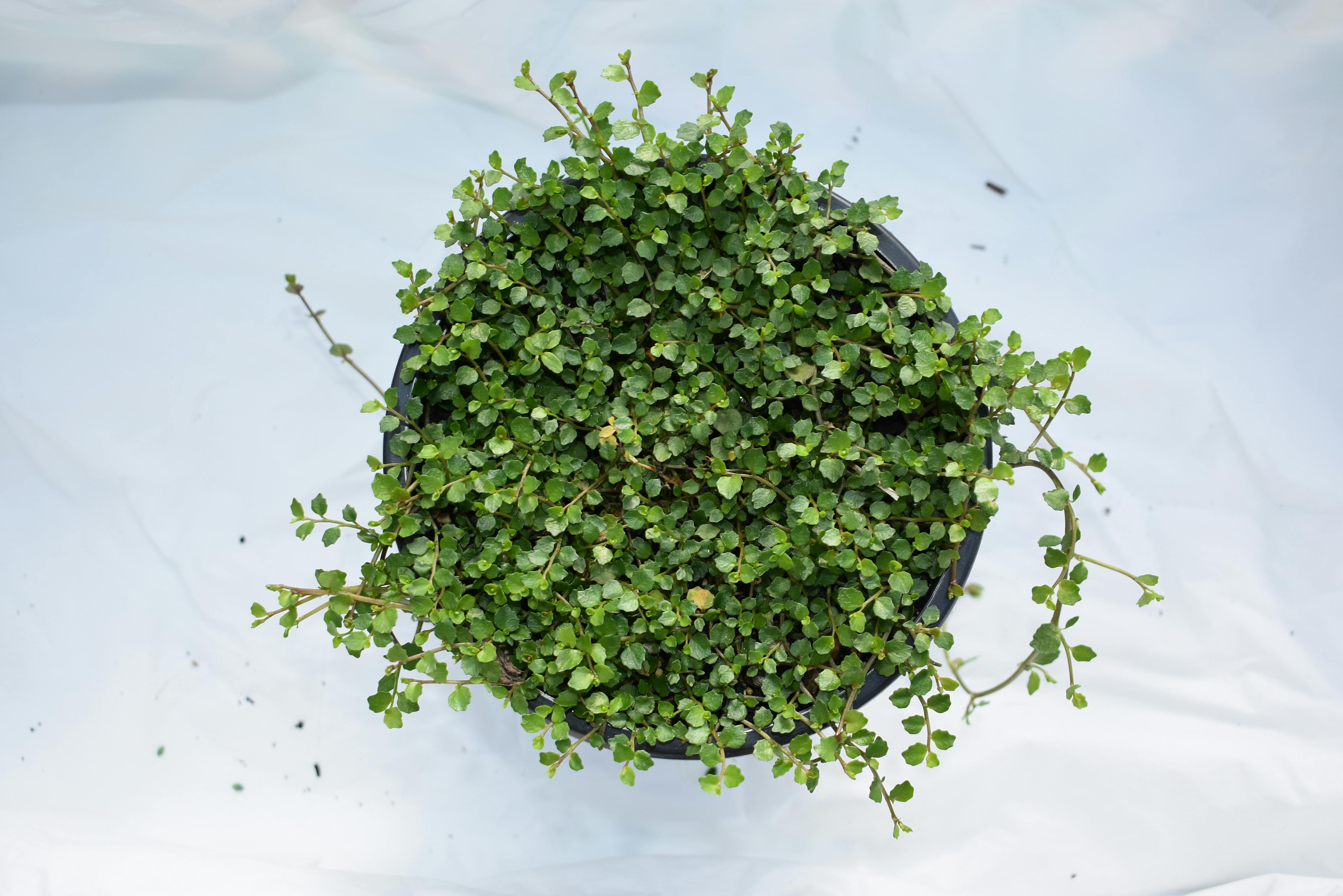
String of pearls (Senecio rowleyanus, recently reclassified as Curio rowleyanus) broke my heart twice before I cracked the code. My first attempt shriveled to withered husks within a month — I'd been underwatering, which I didn't expect for what I thought was a drought-tolerant succulent. My second attempt rotted from the root up — I'd overcorrected and watered too frequently. String of pearls occupies a narrow watering window that becomes intuitive once you understand what those little spherical leaves are actually doing. Each "pearl" is a modified leaf, swollen with stored water, and they communicate the plant's hydration status visibly: plump means healthy, wrinkled means thirsty, mushy means waterlogged. Learn to read the beads, and this plant becomes manageable.
Why Your String of Pearls Shrivels (And How to Fix It)
Wrinkled, shriveled beads are the most common complaint and they have two opposing causes: underwatering and overwatering. This is confusing until you understand how to distinguish between them. Underwatering shriveling: the beads shrink and wrinkle from the outside inward, the soil is bone dry, and the strings feel lightweight and slightly stiff. The fix is a thorough watering — saturate the soil and allow full drainage, then watch the beads plump up within twenty-four to forty-eight hours. Overwatering shriveling: the beads appear mushy and translucent, the strings feel soft and limp, the soil smells sour, and the base of the plant may have yellowed or mushy stem sections. This is root rot and requires immediate unpotting, root trimming, and repotting into fresh, dry mix.
The critical distinction: underwatered beads are wrinkled but firm; overwatered beads are soft and translucent. Gardening Know How's succulent care resources explain this physiological difference in detail, noting that each bead functions as an individual water storage reservoir that deflates when the plant mobilizes stored reserves during drought.
Light Requirements for String of Pearls
Despite being a succulent, string of pearls doesn't want the intense direct sun that desert cacti tolerate. In their native South African habitat, they trail through the shade of larger plants and rocks, receiving bright but filtered light. Indoors, a spot with several hours of gentle direct morning sun (east window) combined with bright indirect light for the remainder of the day is ideal. Direct harsh afternoon sun through a south or west window will bleach and burn the beads, leaving white or brown dry patches.
Insufficient light is equally problematic: strings grow longer but the beads become widely spaced and small — a phenomenon called etiolation — and the plant becomes increasingly susceptible to root rot because the soil dries more slowly without adequate light to drive evaporation. String of pearls in low light almost inevitably rotts. Ensure at least four to six hours of bright indirect light daily, supplemented with a grow light if necessary in winter months. According to The Spruce's succulent care resources, eastern or western exposures with morning or late afternoon direct sun represent the ideal indoor placement for most trailing succulents.
Soil and Watering: Getting the Balance Right
String of pearls demands extremely well-draining soil. Standard potting mix alone retains too much moisture. Use a cactus/succulent mix combined with an equal volume of coarse perlite or pumice. The goal is a medium that dries out within five to seven days after a thorough watering in a bright, warm environment. During the active growing season (spring and summer), water when the top two inches of soil are completely dry — roughly every seven to ten days. In winter, reduce dramatically to once every three to four weeks, allowing the soil to dry almost completely.
Always water from the top, saturating the soil thoroughly until water drains from the bottom, then empty the saucer. Never leave string of pearls sitting in standing water. Terracotta pots with drainage holes are ideal for this species. Repot every two to three years into fresh, dry succulent mix — old, compacted mix becomes hydrophobic over time and causes uneven watering.
How to Keep String of Pearls Trailing and Full
A full, cascading string of pearls in a hanging basket is the goal, but getting there requires the right container placement and occasional propagation to fill gaps. Hanging baskets position the plant near ceiling level where light is strongest and air circulation reduces humidity around the roots. Grow light supplementation in winter prevents the winter leggy-bead spacing that makes plants look sparse by spring.
To propagate and fill out a thin plant: take four-inch stem cuttings, allow the cut ends to callous for an hour, then lay them horizontally on the soil surface or insert the cut end shallowly into the medium. In my experience, laying cuttings on top of the soil and misting lightly every few days produces faster rooting than inserting them vertically. Pin them to the soil with a bent paper clip to maintain contact. Roots develop in two to four weeks. See our succulent propagation techniques guide for related methods, and our drought-tolerant houseplant roundup for other trailing succulents with similar care needs.
Common Mistakes to Avoid
- Using standard potting mix alone: It retains far too much moisture. Always cut with at least 50% perlite or pumice.
- Watering on a schedule rather than by soil and bead check: Check both the soil moisture and the firmness of the beads before every watering.
- Placing in a low-light location: String of pearls in low light almost always develops root rot due to slow soil drying. Bright indirect light is non-negotiable.
- Letting strings touch wet surfaces: Beads sitting on wet saucers or trays develop rot at the point of contact. Hanging baskets prevent this entirely.
- Watering in winter on a summer schedule: In winter, reduce watering frequency to once every three to four weeks.
Quick Reference String of Pearls Care Table
| Factor | Ideal Condition |
|---|---|
| Light | Bright indirect + morning direct; east window ideal |
| Water (spring/summer) | Every 7–10 days; top 2 inches completely dry |
| Water (winter) | Every 3–4 weeks; near-dry soil |
| Soil | 50% succulent mix + 50% perlite or pumice |
| Humidity | Low; tolerates dry indoor air well |
| Temperature | 65–80°F (18–27°C); brief 50°F min in winter |
| Pot type | Terracotta with drainage holes; hanging basket ideal |
| Toxicity | Mildly toxic to cats and dogs |
Frequently Asked Questions
How do I know if my string of pearls is overwatered or underwatered?
Feel the beads: underwatered beads are wrinkled but firm and dry; overwatered beads are soft, translucent, or mushy. Check the soil: underwatered soil is bone dry throughout; overwatered soil is persistently wet or sour-smelling. Underwatering is reversible with a good watering; overwatering that has progressed to root rot requires immediate unpotting and trimming of blackened, mushy roots before repotting in fresh, dry mix.
Why are the beads on my string of pearls getting smaller?
Small beads on new growth indicate the plant is not receiving enough light. Move the plant to a brighter location — ideally with four to six hours of bright indirect light and some gentle direct morning sun. Small beads can also develop when the plant is severely root-bound and cannot uptake sufficient water and nutrients even when properly watered. Check whether the roots have circled the pot and repot if necessary.
Can string of pearls be grown indoors year-round?
Yes, successfully, provided adequate light is available. In winter when natural light diminishes, supplementing with a grow light positioned six to twelve inches above the plant for ten to twelve hours daily prevents the winter decline that makes many indoor string of pearls look sparse by spring. Reduce watering significantly in winter regardless of light supplementation, as growth naturally slows.
String of pearls is one of those plants that goes from frustrating mystery to genuine joy once you understand its specific needs. The narrow watering window is real, but readable — those beads tell you exactly what they need. Drop your string of pearls struggles in the comments below and I'll help you figure out what's going on.
About the Author
Sage Avery is a passionate gardener and plant enthusiast sharing tips for a greener life.