Tradescantia Care: Grow Spiderwort as a Trailing Houseplant
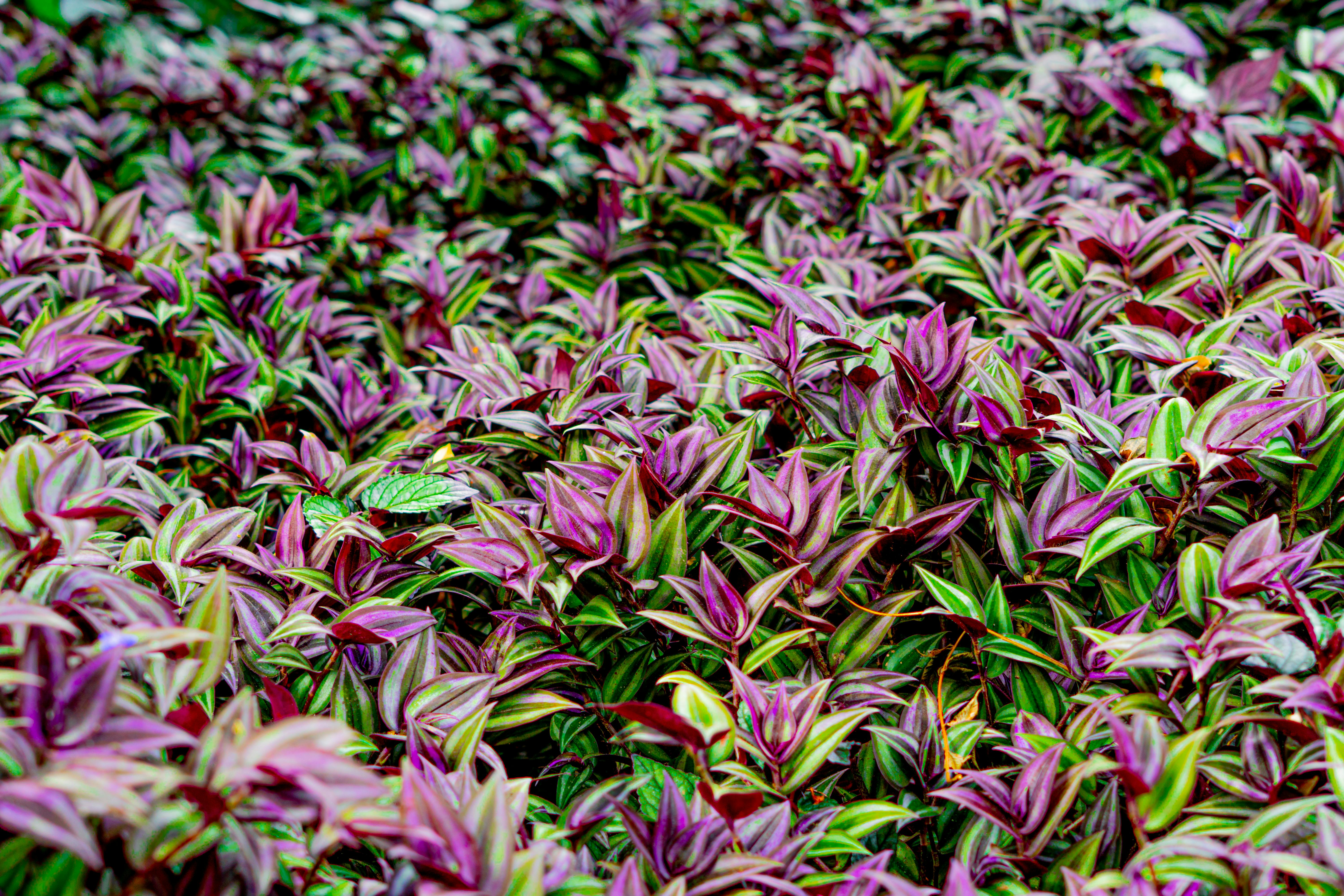
My Tradescantia zebrina was the first plant that made me feel like a competent plant parent. Within six weeks of a four-inch cutting from a friend's pot, I had a trailing plant spilling six inches over the edge of its shelf, with silvery-green and purple leaves that shimmered in the morning light. Tradescantias are genuinely fast-growing, root willingly in a glass of water, and communicate their needs clearly. The challenge with them isn't keeping them alive — it's keeping them looking their best, because without adequate light, the vivid purple and silver coloration fades to plain green and the growth becomes leggy and sparse rather than full and trailing.
Light: The Key to Maintaining Color
Tradescantia's vivid coloration — the deep purple of T. pallida (purple heart), the silver-and-purple stripes of T. zebrina, the green-white-pink of T. fluminensis 'Tricolor' — is light-dependent. Without adequate bright indirect light, the pigmentation fades toward plain green, and the plant produces longer internodes (the gap between leaf sets), creating a sparse, "ratty" trailing appearance rather than the lush, full look that makes tradescantias so appealing. Bright indirect light is the minimum requirement; some gentle direct morning sun through an east window actually produces the most vivid coloration in most varieties, especially T. pallida which can tolerate and benefits from more direct light than other varieties.
South-facing windows are excellent for tradescantias. West-facing windows work well. North-facing windows almost always result in significant color loss and leggy growth. If your tradescantia is fading, move it to a brighter location before any other intervention. The Spruce's Tradescantia care resources note that light intensity is the primary determinant of leaf pigmentation in purple and silver-leafed varieties.
Watering and Soil for Tradescantias
Tradescantias are more forgiving of irregular watering than many tropical houseplants — their relatively fleshy stems and leaves store moderate amounts of water. Water when the top inch of soil is dry, typically every seven to ten days during the growing season. They recover reasonably well from occasional underwatering (slight wilting and leaf curl) but struggle with chronic overwatering, which causes root rot and stem mushing at the soil line. A well-draining standard potting mix with perlite added works well.
Fertilize monthly during spring and summer with a balanced liquid fertilizer at half strength. Tradescantias are relatively fast growers and benefit from regular feeding to maintain leaf size and color during active growth. In winter, reduce watering and eliminate fertilizing as growth slows. They are generally tolerant of average indoor humidity (30–50%) and don't require the humidity management that tropical plants like calatheas demand.
Pruning for Fullness and Managing Leggy Growth
The most important maintenance task for tradescantias is regular pruning. Without it, the trailing stems grow long from the base while the center of the plant empties out, producing a plant that's all long trailing stems with no foliage at the base — not the full, cascading look most people are after. Pinch back the growing tips regularly (every two to four weeks during the growing season) by removing the top set of leaves and a short section of stem. This redirects growth energy into lateral buds, producing more branches and a fuller appearance.
The removed tips can be immediately propagated by placing them in water — they root within one to two weeks — and the rooted cuttings can be planted back into the original pot to fill any gaps. This propagate-and-replant cycle is the standard technique for maintaining full, luxuriant tradescantia planters and hanging baskets. For related propagation methods, see our comparison of water vs. soil propagation. For shelf and display ideas for trailing plants, visit our plant display guide.
The Most Popular Tradescantia Varieties for Indoors
The most widely grown indoor varieties include: Tradescantia zebrina (wandering Jew / silver inch plant) with silver-striped purple leaves — one of the most striking and popular trailing houseplants; Tradescantia pallida (purple heart) with solid deep purple leaves and pink flowers, slightly more drought-tolerant than other varieties; Tradescantia fluminensis 'Tricolor' (white-green-pink striped leaves) which needs the most light to maintain its pale variegation; and Tradescantia sillamontana (white velvet) covered in fine silvery-white hair, a drought-tolerant choice more similar in care to succulents. All share the same fundamental care approach with minor adjustments for light and water tolerance. According to Missouri Botanical Garden's Tradescantia species records, many of the widely cultivated indoor Tradescantia are fast-growing and vigorous, with some varieties considered invasive if grown outdoors in warmer USDA zones (8–11).
Common Mistakes to Avoid
- Growing in insufficient light: Color fades and growth becomes leggy without bright indirect light. Move to a south or east window if colors are dull.
- Not pruning regularly: Unpruned tradescantias become all-stem-no-leaf within a few months. Pinch tips every two to four weeks.
- Not repotting cuttings back into the pot: Don't discard pruned tips — root them and replant for a continuously full display.
- Overwatering in winter: Growth slows significantly; reduce watering frequency accordingly.
- Touching leaves with bare hands repeatedly: Some people develop contact dermatitis from repeated exposure to Tradescantia sap. Wear gloves when pruning.
Quick Reference Tradescantia Care Table
| Factor | Ideal Condition |
|---|---|
| Light | Bright indirect + some morning direct; south/east window |
| Water | Top inch dry; every 7–10 days growing season |
| Soil | Standard potting mix + perlite |
| Humidity | 40–60%; tolerates average indoor air |
| Temperature | 60–80°F (15–27°C) |
| Pruning | Pinch tips every 2–4 weeks during growing season |
| Propagation | Cuttings in water; root in 1–2 weeks |
| Toxicity | Mildly toxic to cats and dogs; skin irritant in some people |
Frequently Asked Questions
Why is my purple tradescantia turning green?
Fading from purple to green in Tradescantia zebrina or T. pallida is almost always caused by insufficient light. Move the plant to a brighter location immediately. The already-faded leaves will not regain their purple color, but new growth in adequate light will emerge with full pigmentation within two to four weeks. Additionally, regular pruning to remove the faded green growth and encourage fresh pigmented leaves accelerates the visual recovery.
How fast does tradescantia grow?
Tradescantias are among the fastest-growing houseplants available, adding six to twelve inches of new trailing growth per month during the spring and summer growing season under adequate light. This rapid growth is one of their most appealing traits for beginning plant parents who want to see quick progress, but it also means they require consistent pruning to maintain an attractive form rather than becoming straggly and bare at the base.
Can tradescantia be grown outdoors?
Yes, as a tender perennial or annual in most North American climates. Tradescantia pallida is winter-hardy in USDA Zones 9–11 and can be grown as a ground cover in frost-free regions. Most other varieties can be grown outdoors as annuals or brought inside before frost. Note that Tradescantia fluminensis and some related species are considered invasive in parts of the southeastern United States and should not be planted where they can escape into natural areas. Always check local guidelines before planting tradescantias in garden beds near natural areas.
Tradescantias are gateway plants — fast-growing, easy to propagate, visually dramatic, and genuinely forgiving. Get their light right and prune them regularly, and they'll fill every trailing, hanging, or shelf spot in your home with lush color. Drop your tradescantia questions in the comments below.
About the Author
Sage Avery is a passionate gardener and plant enthusiast sharing tips for a greener life.