Why Are My Pothos Leaves Small? Causes and Fixes
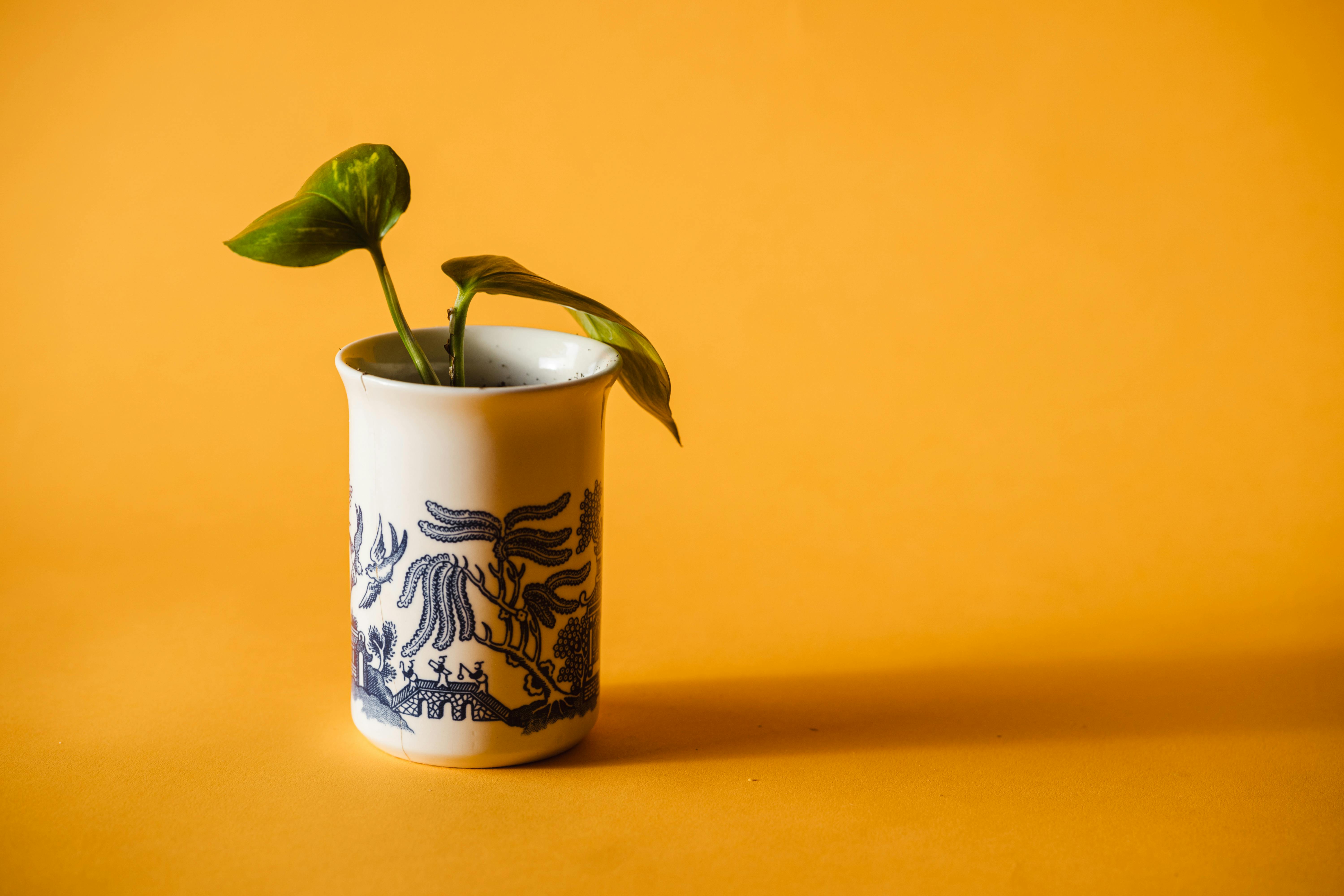
My first pothos — a 'Golden' variety I picked up from a clearance shelf at the local hardware store — sat in the corner of my home office for nearly a year producing leaves barely the size of a quarter. I thought that was just how pothos grew indoors. It wasn't until I moved it two feet closer to my east-facing window and repotted it into a slightly larger container that I started seeing leaves the size of my palm. That experience taught me that small leaves on pothos are never a random occurrence — they're always your plant trying to tell you something specific.
Why Pothos Leaves Stay Small: The Core Reasons
Pothos (Epipremnum aureum) are celebrated as near-indestructible houseplants, but their resilience can mask the fact that they're often growing well below their potential. When leaves consistently emerge small, the plant is conserving resources — usually because one or more key growing conditions are not being met. In the wild, mature pothos climbing tree trunks in tropical Southeast Asia can produce leaves over 12 inches across. Indoors you're not aiming for that, but leaves under two inches on a mature, established vine almost always signal correctable stress.
The four main culprits I've encountered over years of growing pothos — including 'Marble Queen,' 'Neon,' 'N'Joy,' and 'Cebu Blue' — are insufficient light, a root-bound pot, depleted soil, and nutrient deficiency. Occasionally, low humidity and inconsistent watering contribute as secondary factors. Let's go through each one.
Low Light: The Most Common Cause
Light is the single most frequent reason pothos produce undersized leaves indoors. This surprised me early on because pothos are marketed almost universally as "low light plants." They tolerate low light — they don't thrive in it. When light levels drop below what the plant needs to photosynthesize efficiently, it produces smaller leaves to reduce the surface area it has to maintain. The plant is essentially downsizing to survive. Bright indirect light — the kind you get two to four feet back from an east- or west-facing window — is where pothos genuinely thrives.
According to The Spruce's houseplant care hub, pothos perform best in bright, filtered light and will show noticeably improved leaf size and variegation when moved to better conditions. If your plant is in a north-facing room or more than six feet from any window, try relocating it. Even a few feet can produce visible improvement in new growth within six to eight weeks.
If natural light is genuinely limited in your space, a full-spectrum LED grow light placed 12 to 18 inches above the plant for 12 to 14 hours per day works well. I use this approach in my basement and the results are nearly indistinguishable from a good window position.
Root-Bound Pots and Exhausted Soil
The second major cause is a pot that's too small or soil that has been exhausted of nutrients. When roots circle the bottom of a pot with nowhere to expand, the plant redirects energy away from producing large new leaves. Check for root-bound signs: roots emerging from drainage holes, a dense root ball visible when you slide the plant out, or soil that dries out within a day or two of watering. If you see these, size up to a pot that's two inches larger in diameter. Don't jump to a dramatically larger container — excess soil stays wet too long and can cause root rot.
Old potting mix also compacts over time and loses its nutrient content and drainage capacity. If you haven't repotted in more than two years, your pothos is likely working with depleted, compacted medium. The Missouri Botanical Garden's gardening resources consistently recommend refreshing potting media every one to two years for optimal indoor plant health. A mix of standard potting soil, perlite, and a small amount of orchid bark creates a well-aerated environment pothos roots love.
Nutrient Deficiency and Watering Inconsistency
Pothos don't need heavy feeding, but regular light fertilization during the growing season makes a real difference in leaf size. I use a balanced liquid fertilizer (10-10-10) diluted to half strength every three to four weeks from March through September. Without it, nitrogen levels in the soil drop after the first year, and new leaves emerge progressively smaller and paler.
Watering habits also matter. Both chronic overwatering and underwatering stress the root system and restrict the plant's ability to deliver water and nutrients to developing leaves. Aim to water when the top one to two inches of soil are dry, and always water thoroughly so the entire root zone is moistened. Inconsistent "shallow" watering — where you just dampen the top layer — leaves lower roots dry and leads to stunted growth over time. Gardening Know How's houseplant guides note that fertilization aligned with active growth periods significantly improves foliage size and vigor in common tropical houseplants, including pothos and philodendrons.
The Role of Vining Length and Support
Here's something most beginner guides miss: the longer a pothos vine trails without support, the smaller the leaves tend to become toward the tips. This happens because the plant prioritizes maintaining existing growth over producing large new leaves at the ends of long, unsupported stems. Training your pothos up a moss pole or trellis — rather than letting it trail — encourages larger leaves because the plant behaves more like it does in its natural climbing habitat. I noticed a dramatic leaf-size increase on my 'Marble Queen' after I started training it upward on a bamboo stake. New leaves came in roughly 30 to 40 percent larger within one growth cycle.
You can also cut back very long vines to redirect energy into new, larger-leafed growth closer to the base. Prune just above a node, and new growth will emerge from that point. The cuttings can be rooted in water and potted on — nothing goes to waste.
Common Mistakes That Keep Pothos Leaves Small
- Pots without drainage: Waterlogged roots can't absorb nutrients efficiently, stunting leaf development even when light and feeding are correct.
- Fertilizing in winter: Pothos slow dramatically in winter. Feeding during dormancy causes salt buildup in the soil without benefiting growth.
- Using cold tap water: Watering with very cold water can shock tropical roots. Let water sit overnight or use room-temperature water.
- Neglecting humidity: Pothos prefer 40–60% relative humidity. Dry winter air from central heating can cause small, slightly cupped new leaves.
- Expecting immediate results: Leaf size improvements show in new growth only, not existing leaves. Allow six to eight weeks after any change before evaluating results.
Quick Reference Care Table
| Care Factor | Ideal Condition | Sign of Problem |
|---|---|---|
| Light | Bright indirect, 2–4 ft from east/west window | Small, pale leaves; slow growth |
| Water | When top 1–2 inches of soil are dry | Wilting, yellowing, root rot |
| Soil | Well-draining mix, refreshed every 1–2 years | Compacted or waterlogged medium |
| Fertilizer | Half-strength balanced liquid every 3–4 weeks (spring–fall) | Progressively smaller, pale leaves |
| Pot Size | 2 inches larger than root ball | Roots circling or escaping drainage holes |
| Humidity | 40–60% RH | Curled or crispy leaf edges |
Frequently Asked Questions
Can existing small pothos leaves grow larger?
No — once a leaf has fully unfurled, its size is fixed. You will only see improvement in leaves that emerge after you've corrected the underlying issue. Give new growth at least six to eight weeks to reflect your changes before judging the outcome.
Why are new pothos leaves smaller than the old ones?
If new leaves are consistently coming in smaller than older ones, this is a sign of progressive stress — usually declining light, a root-bound pot, or nutrient depletion. Evaluate all three factors together rather than assuming a single cause.
Does misting help pothos grow bigger leaves?
Misting provides minimal and very short-lived humidity benefits. A pebble tray filled with water beneath the pot, or a small humidifier nearby, is far more effective at maintaining the 40–60% humidity that encourages healthy leaf development.
Small pothos leaves are a very solvable problem once you identify the driver. Start by auditing your light situation — it resolves the issue more often than anything else — then check pot size and soil age. Most plants respond positively within one to two growth cycles of a genuine improvement in conditions. Drop your biggest pothos question in the comments below, and don't forget to check out our guide on how to propagate pothos from stem cuttings and our deep dive on why pothos leaves turn yellow.

About the Author
Written by Sage Avery, a plant care writer at Plant Companion Guide. For how we create and update content, see our editorial policy.