Why Is My Plant Not Growing? 7 Evidence-Based Reasons
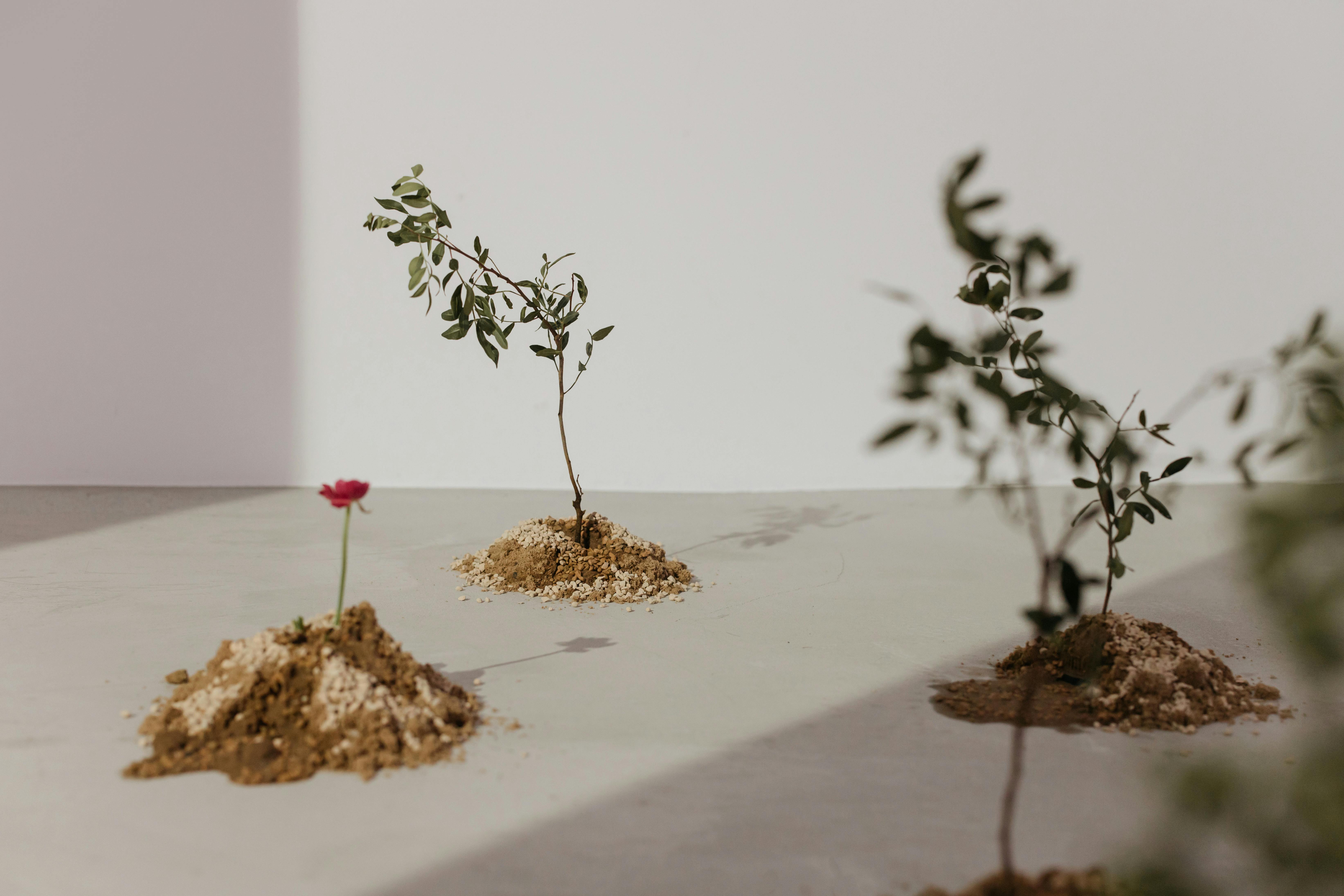
A plant that's alive but not growing is one of the most common and most frustrating situations in houseplant care. The plant looks okay — it hasn't died, the leaves aren't turning yellow, there are no obvious pests — it just hasn't added a single new leaf in months. Most cases of stopped or very slow growth have identifiable causes, and understanding them transforms a frustrating mystery into a solvable problem.
1. Insufficient Light
Light is the primary driver of plant growth — it's what powers photosynthesis, which provides the energy for all growth processes. The most common reason houseplants stop growing is inadequate light. Most homes, even those with seemingly bright windows, deliver far less light than plants evolved to grow in. A north-facing window in winter can deliver as little as 100 lux — enough to keep most plants alive but not enough for any meaningful growth. Tropical foliage plants typically need 1,000–3,000 lux for active growth; direct outdoor light delivers 50,000–100,000 lux.
Test your light levels: modern smartphones have free light meter apps that give a reasonable estimate. If your plant is in a location receiving less than 500 lux, it will survive but not grow. Move it closer to a window or add a grow light. The improvement in growth after addressing inadequate light is often dramatic and visible within two to four weeks.
2. Root Bound Conditions
A plant whose roots have filled the pot completely stops growing at the top because all its energy goes into maintaining the existing root mass, and there's no room to expand the root system further. Signs: roots growing out of drainage holes, visible roots spiraling on the soil surface, very rapid drying after watering (the root mass has displaced most of the soil), and growth that stopped despite the plant appearing healthy. Repot into a container one size larger with fresh potting mix and growth typically resumes within a few weeks.
3. Seasonal Growth Cessation
Many tropical houseplants slow or stop growing entirely during winter, even when kept indoors. Shorter days mean less light even through the same windows, and lower ambient temperatures reduce metabolic processes. This is normal — it's not a problem to fix, just a natural cycle. The response to this isn't more water or fertilizer (both can cause harm if applied to a plant in its rest period), but patience. As days lengthen in late winter and spring, growth reliably resumes. A grow light can extend the effective growing season for plants that show significant winter slowdown.
4. Incorrect Watering
Both overwatering and underwatering halt growth, but through different mechanisms. Overwatered roots can't function — waterlogged soil prevents oxygen from reaching root cells, which die and lose their ability to absorb water and nutrients. The plant can't grow without functional roots. Underwatered plants redirect what little water they have to basic survival rather than growth — maintaining existing tissue rather than building new tissue. Check soil moisture at 5 cm depth before watering: for most houseplants, water when this depth is just beginning to dry.
5. Nutrient Deficiency
After six to twelve months in the same potting mix, plants often exhaust the available nutrients — particularly nitrogen, which drives leafy growth. Potting mix nutrients are not replenished naturally in a container the way decomposition replenishes them in the ground. Signs of nitrogen deficiency specifically: older (lower) leaves yellowing and dropping while new growth is smaller than normal. Begin a regular fertilizing routine — a balanced liquid fertilizer at half the recommended concentration every two weeks during the growing season — and watch for response within four to six weeks.
6. Pests or Disease
Root-feeding pests — particularly root mealybugs — can stop growth without producing obvious above-ground symptoms. The plant slowly declines as its root system is damaged. Spider mites in large numbers sap the energy plants would otherwise put toward growth. Inspect thoroughly: turn leaves over, check stem junctions, and remove the plant from its pot to inspect roots. If roots are white and firm, the soil is probably fine. If roots are dark, mushy, or if you find white woolly clusters on root surfaces, treat appropriately.
7. Genetics and Species Limits
Some plants are simply slow. Cast iron plants (Aspidistra), most cycads, many rare aroids, and large-leaved Monsteras in their early stages all have growth rates that can seem like no growth at all to impatient observers. A Monstera in its first year may produce only four to six leaves total; a mature one in good conditions can produce one to two per month. Know your plant's typical growth rate: a Tradescantia that hasn't grown in two months has a problem; an Aspidistra that produces three leaves a year is performing exactly as expected. Mismatched expectations cause a lot of unnecessary concern about plants that are perfectly healthy.
About the Author
Sage Avery is a passionate gardener and plant enthusiast sharing tips for a greener life.