Best Grow Lights Guide
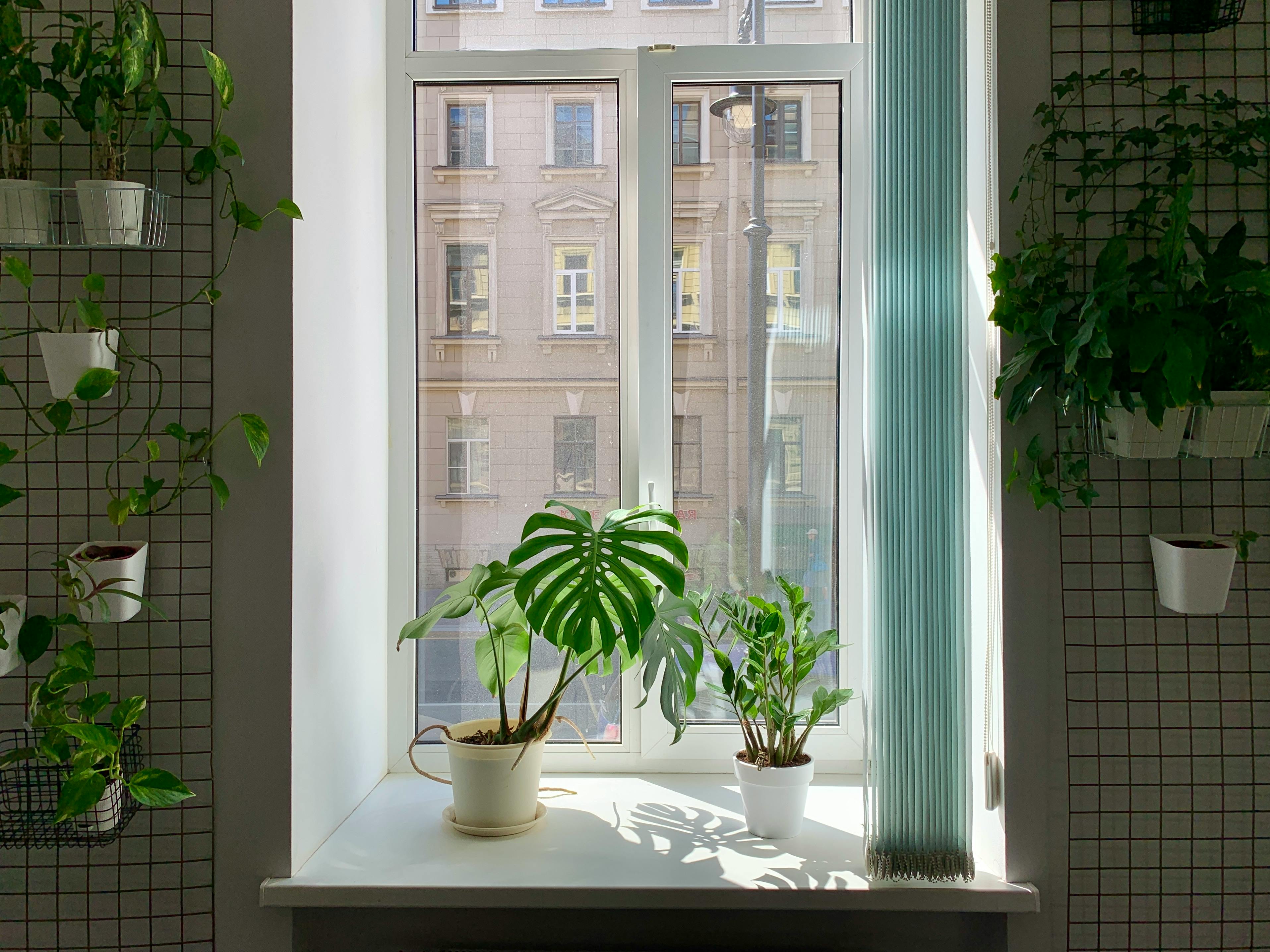
My “bright apartment” turns into a cave every winter (USDA zone 5–6). The first year, my succulents stretched and my pothos slowed to a crawl. The next year, a simple shelf grow light setup gave me compact growth and fewer winter issues. The best grow lights for houseplants aren’t the fanciest—they’re the ones that fit your space and run consistently.
Best Grow Lights for Houseplants: What to Buy for Small Spaces
For most home plant parents, the winning combo is LED lights + a timer + the right distance from leaves. Small spaces do best with lights that match your layout: shelves, countertops, or a single statement plant.
What I look for before I buy
I prioritize: (1) form factor (bar, bulb, or clip), (2) a built-in timer, and (3) a neutral/white light I can live with daily. For broad, reputable plant-care concepts around indoor light, I often start with the Royal Horticultural Society and then translate it into “my shelf, my window, my winter.”
My favorite types for small spaces
LED bars
Best for shelves—more even coverage across multiple plants.
Bulbs in a lamp
Great for one plant near a couch (looks normal, works well).
Clip-on goosenecks
Handy for desks or tiny corners, but coverage is limited.
How I run grow lights (schedule + distance)
I run most lights 10–12 hours/day. For succulents, I often go longer. Distance matters as much as the light itself—too far and plants stretch, too close and leaves bleach. For a simple distance framework, see grow light distance for plants. For seasonal context (why winter light is weaker in many regions), I find it helpful to remember how different our climates are across zones; the USDA Plant Hardiness Zone Map is a quick reminder of how varied North America really is.
Pair lights with good watering habits
Adding light can increase water use. That’s a good thing—just re-check your watering rhythm. For practical indoor growing fundamentals and seasonal adjustments, cooperative extension resources like University of Minnesota Extension are a solid baseline before you fine-tune by plant type.
Common Mistakes
- Hanging lights too high (plants stretch)
- Running lights 24/7 (plants need darkness too)
- Buying a tiny clip light for a whole shelf
- Not rotating plants for even coverage
- Ignoring distance as plants grow taller
- Expecting lights to fix overwatering or poor soil
Quick Reference Care Table
| Light Type | Best For | Pros | Watch Out For |
|---|---|---|---|
| LED bar | Shelves | Even coverage | Needs mounting |
| LED bulb | One plant | Flexible | Depends on lamp shade |
| Clip-on | Desk/corner | Easy setup | Small coverage |
FAQ
How many hours should grow lights be on?
Most houseplants do well at 10–12 hours/day. Succulents and high-light plants often do better with longer days, depending on distance.
Do grow lights replace sunlight?
They can for many plants, especially in winter. I still use window light when available, but grow lights fill the seasonal gaps.
What’s the biggest sign my grow light is too weak?
Stretching (leggy stems), smaller leaves, and plants leaning hard toward the light source.
If you tell me what you’re lighting (a shelf, a desk, or one big plant) in the comments below, I’ll suggest the simplest grow light style and setup to start with.
About the Author
Written by Sage Avery, a plant care writer at Plant Companion Guide. For how we create and update content, see our editorial policy.