Grow Light Distance Made Simple
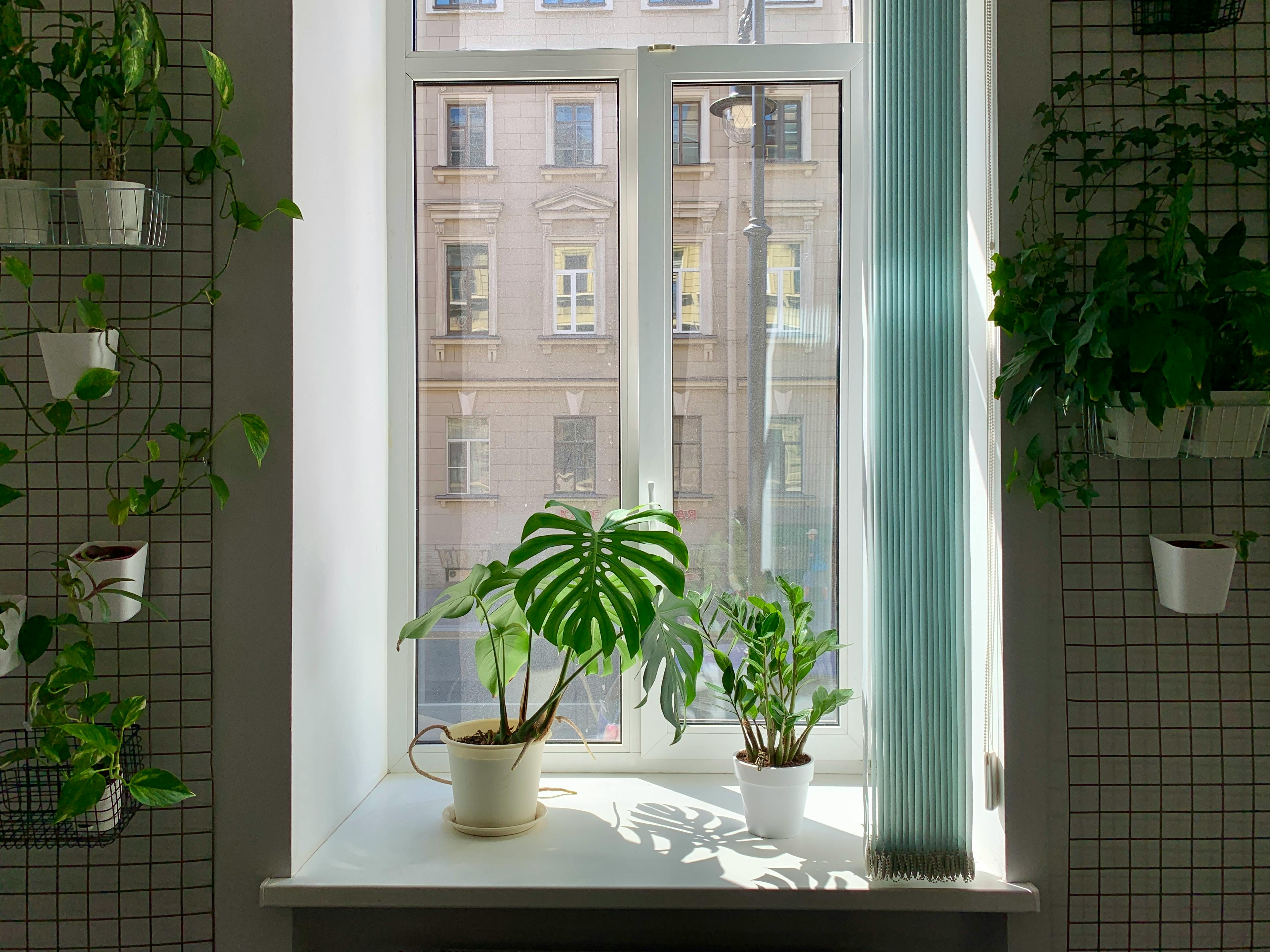
I once bleached a peperomia by putting an LED grow light too close because “LEDs don’t get hot.” Then I overcorrected and hung it too high—my succulents stretched like they were reaching for the ceiling. Grow light distance for plants is the difference between compact, healthy growth and a season of weird, leggy regrets.
Grow Light Distance for Plants: How Far LEDs Should Be From Leaves
Distance controls intensity. Even a few inches can change what a leaf receives. The best approach is starting with a reasonable range, watching the plant for a week, and adjusting.
My starting distances (then I fine-tune)
- Low-light plants (ZZ, snake): about 12–18 inches away
- Most tropicals (pothos, monstera): about 10–14 inches away
- Succulents/high-light plants: about 6–10 inches away
These are practical starting points for common home LEDs. For a broad baseline on indoor plant lighting concepts, I often start with the Royal Horticultural Society and then adjust based on leaf response.
How I tell if the light is too close or too far
Too far
Stretching, smaller leaves, leaning toward the light.
Too close
Bleaching, crispy edges, “taco” curling in some plants.
Just right
Normal leaf size, steady new growth, tighter spacing between leaves.
Hours per day: the other half of the equation
I usually run lights 10–12 hours/day for foliage plants, longer for succulents. Plants still need a dark period. For practical indoor growing fundamentals that account for season and environment (why winter light is so different), cooperative extension resources like University of Minnesota Extension are a helpful reference.
Use grow lights to support “bright indirect” conditions
Grow lights are especially helpful in winter and in north-facing homes. If you’re trying to understand window light first, see bright indirect light meaning. If you’re choosing lights for a small setup, see best grow lights for houseplants.
Seasonal note
In cold-winter regions, supplemental light can keep growth steadier when day length drops. Climate varies widely; the USDA Plant Hardiness Zone Map is a quick way to understand why indoor conditions and winter light can feel so different across North America.
Common Mistakes
- Hanging lights too high and expecting miracles
- Not adjusting height as plants grow
- Running lights 24/7
- Not rotating plants for even exposure
- Using a tiny light for a large shelf area
- Ignoring leaf bleaching as an early warning
Quick Reference Care Table
| Plant Group | Starting Distance | Hours/Day | Adjust If… |
|---|---|---|---|
| Low-light | 12–18 in. | 10–12 | Stretching = move closer |
| Tropicals | 10–14 in. | 10–12 | Bleaching = move higher |
| Succulents | 6–10 in. | 12–14 | Leggy = closer/longer |
FAQ
Can leaves touch an LED grow light?
I avoid contact. Even if heat is low, intensity right at the surface can be too strong for many leaves.
How close should grow lights be for succulents?
Usually closer than tropicals. I start around 6–10 inches and adjust based on stretching or bleaching.
Do I need a light meter?
Not required. Leaf response is a great teacher, and consistency beats perfect measurements for most home setups.
Grow light distance for plants is easiest when you start with a range, watch for a week, and adjust. Tell me what you’re growing and how high your light is right now in the comments below, and I’ll suggest a starting distance.
About the Author
Written by Sage Avery, a plant care writer at Plant Companion Guide. For how we create and update content, see our editorial policy.