Bright Indirect Light Explained
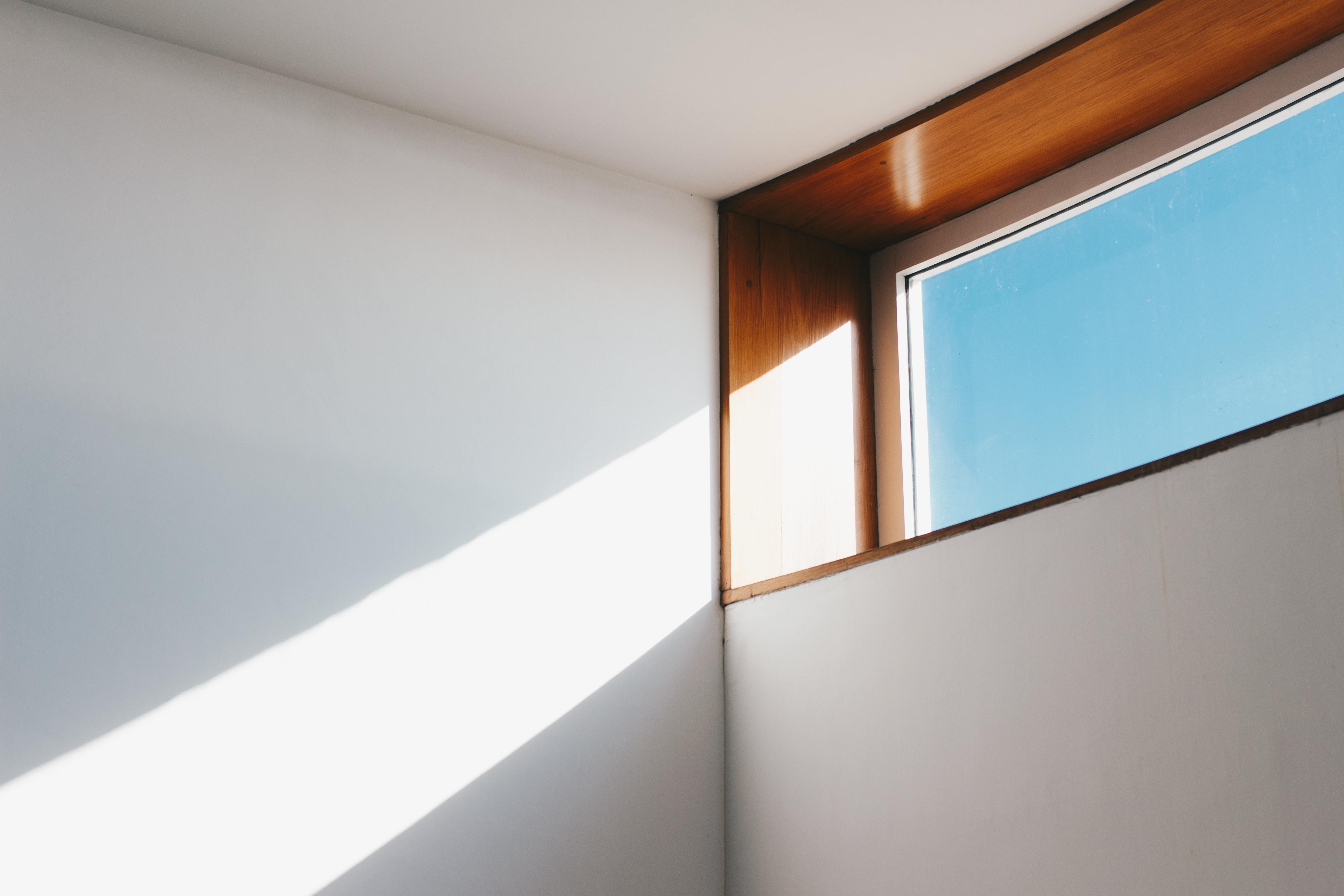
My pothos nearly died in a south window because I thought “bright room” automatically meant bright indirect light. It was bright, yes—because it was direct sun. Once I learned a simple shadow test and started paying attention to window direction, bright indirect light meaning finally clicked.
Bright Indirect Light Meaning: Examples, Window Directions, and Simple Tests
Bright indirect light is one of the most common plant-care phrases, and also one of the most misunderstood. It’s not a vibe—it’s a location that avoids harsh sunbeams while still staying well lit.
What bright indirect light is (and isn’t)
Bright means the space is well-lit for much of the day. Indirect means no strong sunbeams hit the leaves. When I want a reputable baseline on light placement for houseplants, I often start with the Royal Horticultural Society and then test my own windows for intensity.
My two simple tests
The shadow test
Soft shadow = usually bright indirect. Sharp shadow = direct sun. No shadow = low light.
The “hot hand” test
If the sun feels hot on your hand at the plant’s spot, many indoor foliage plants will scorch without filtering.
Window directions (North America)
East windows often give gentle morning sun and are great for many plants. South windows are bright but usually need distance or a sheer curtain. West windows can be intense in late afternoon. North windows are steady but often lower light. If you want a plant list for north windows, see north facing window plants.
How seasons change light
In winter (especially in colder regions), sun angle shifts and days shorten, so “bright” spots may dim significantly. For practical, climate-aware fundamentals around seasonal changes, cooperative extension resources like University of Minnesota Extension are a helpful reminder that environment affects plant growth and water use. If you need a quick reference for where you fall climatically, use the USDA Plant Hardiness Zone Map.
Grow lights can create bright indirect light
LEDs can simulate bright indirect conditions when window light is weak. Distance matters—too close can bleach leaves, too far leads to stretching. If you’re setting up LEDs, see grow light distance for plants.
Common Mistakes
- Assuming any “bright room” equals bright light
- Placing plants in direct hot afternoon sun
- Not adjusting placement between summer and winter
- Ignoring how quickly light drops with distance from a window
- Forgetting that sheer curtains turn harsh sun into usable light
- Not rotating plants for even exposure
Quick Reference Care Table
| Window | Typical Light | Bright Indirect Setup | Notes |
|---|---|---|---|
| East | Gentle | Near window | Often easiest |
| South | Strong | Back from glass + sheer | Watch summer scorch |
| West | Strong late | Filter and step back | Afternoon intensity |
| North | Lower | Close to glass | Great for low-light plants |
FAQ
Is an east window bright indirect light?
Often, yes—especially after the morning sun passes. Many plants love east windows because the light is bright but gentler.
Can plants get sunburn through glass?
Yes. I’ve scorched leaves in hot south/west windows, especially in summer. Filtering or distance helps.
How far from a south window is “indirect”?
It depends on your room, but I often start 2–6 feet back with a sheer curtain and adjust based on leaf response.
Once bright indirect light meaning clicks, plant care gets easier because you stop fighting your windows. Tell me your window direction in the comments below, and I’ll suggest the easiest placement to try.

About the Author
Written by Sage Avery, a plant care writer at Plant Companion Guide. For how we create and update content, see our editorial policy.