Bottom Watering Plants Explained
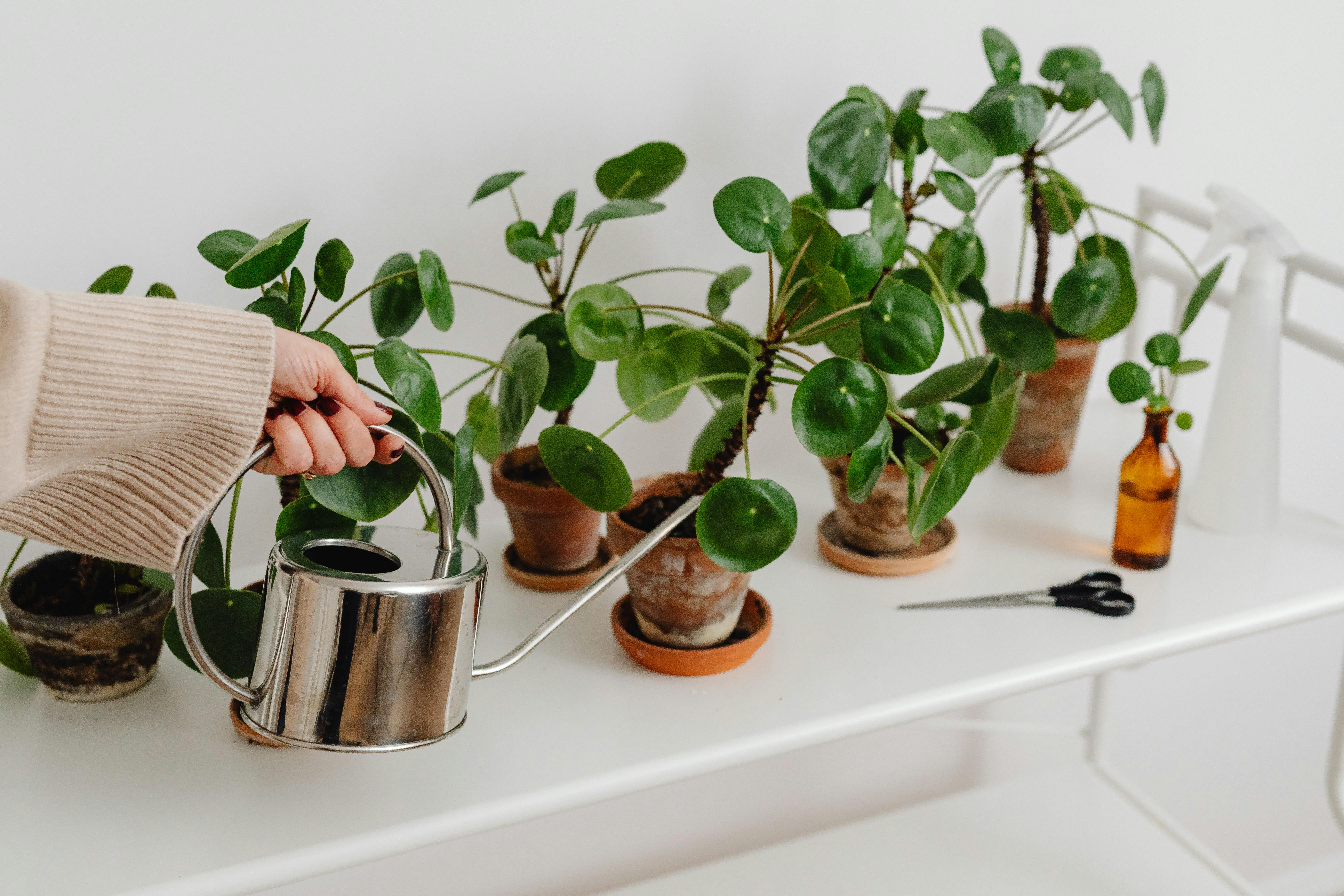
I started bottom watering because I was tired of fungus gnats and messy top-watering spills. It helped—especially for smaller pots and plants that hate wet crowns. But bottom watering plants isn’t a magic trick; it’s a tool that works best when you understand when to use it and when not to.
Bottom Watering Plants: When It Helps, How to Do It, and Mistakes to Avoid
Bottom watering means letting the soil wick water up through drainage holes. Done well, it can hydrate evenly and keep the top layer drier (less gnat-friendly).
When bottom watering helps most
I use it for small tropicals, African violets, seedlings, and any pot where water runs down the sides without soaking in. For broad plant-care concepts around moisture and root health, I often start with guidance from the Royal Horticultural Society and then decide whether bottom watering fits the plant’s growth habit.
How I bottom-water (step-by-step)
- Fill a tray/sink with 1–2 inches of water.
- Set the pot in the water.
- Wait 10–30 minutes (small pots soak faster).
- Remove and let it drain fully before returning it to its spot.
If you’re unsure whether a plant needs water before you start, see how to tell if your plant needs water.
Why you still need occasional top-watering
Bottom watering alone can allow mineral salts to build up over time. I top-water thoroughly every few weeks to flush the soil. For practical indoor growing fundamentals (including water quality and seasonal evaporation), cooperative extension resources like University of Minnesota Extension are a solid reference.
How soil choice affects bottom watering
Very chunky mixes may wick more slowly; very dense mixes may stay wet too long. If you want a beginner-friendly mix that wicks but still breathes, see houseplant soil mix recipe.
Seasonal note
In winter, bottom watering can keep soil damp longer in low light. If you’re moving plants outdoors for summer, climate affects drying too; use the USDA Plant Hardiness Zone Map to understand seasonal timing where you live.
Common Mistakes
- Soaking pots for hours (waterlogging)
- Bottom watering plants that are already wet
- Never flushing from the top (salt buildup)
- Using pots with no drainage holes
- Assuming bottom watering fixes low light issues
- Leaving pots sitting in water after soaking
Quick Reference Care Table
| Plant Type | Soak Time | How Often | Top-Flush? |
|---|---|---|---|
| Small tropicals | 10–20 min | As needed | Yes, monthly |
| Seedlings | 5–15 min | Often | Occasionally |
| Drought-tolerant | Short/rare | Only when dry | Yes |
FAQ
Does bottom watering prevent fungus gnats?
It can help because the top soil stays drier, but it won’t solve a heavy, constantly wet soil situation by itself.
Can I bottom-water succulents?
Yes, but be cautious. Succulents still need full dry-downs, so bottom watering doesn’t change the “wait until dry” rule.
How do I know the pot soaked enough?
I lift it—if it’s heavier and the top soil feels slightly cool/damp, it usually wicked enough. Then I let it drain completely.
Bottom watering plants can make your routine cleaner and more consistent—just don’t skip the occasional top flush. Tell me what plant you’re bottom watering in the comments below, and I’ll suggest a soak time and schedule.
About the Author
Written by Sage Avery, a plant care writer at Plant Companion Guide. For how we create and update content, see our editorial policy.