Signs Your Plant Needs Repotting
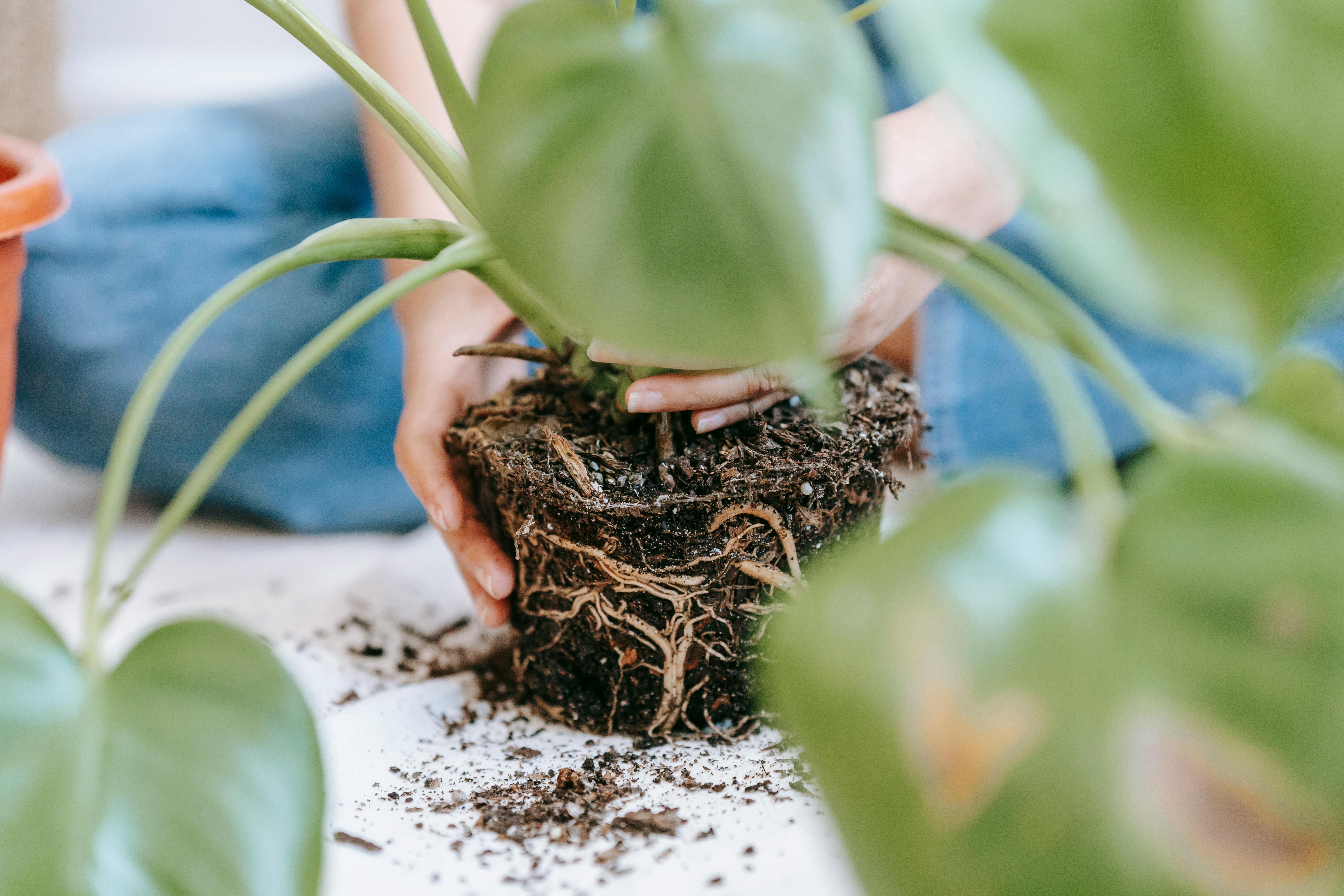
I used to repot on impulse any time a plant looked slightly unhappy. Sometimes that helped. A lot of times it just added stress. What finally worked was learning the actual signs your plant needs repotting, especially the root clues you cannot ignore.
Signs Your Plant Needs Repotting: 9 Clues Your Roots Are Crowded
Repotting should solve a real problem, not just satisfy the urge to “do something.” I look for a cluster of clues rather than one isolated symptom. For general repotting advice, I often cross-check the RHS guide to growing houseplants and the University of Minnesota Extension houseplant resources.
The 9 signs I trust most
- Roots circling heavily at the bottom
- Roots growing out drainage holes
- Water rushing straight through the pot
- Soil drying much faster than it used to
- Plant becoming top-heavy and unstable
- Slowed growth during the active season
- Visible root mass with very little soil left
- Repeated wilting despite correct watering
- Salt buildup and compacted, exhausted mix
Signs that are often mistaken for repotting needs
Yellow leaves, drooping, and slow growth can also come from poor light, root rot, cold drafts, or inconsistent watering. If soil is staying wet too long, a larger pot is often the wrong answer. If that sounds familiar, see overwatered plant symptoms.
When I actually unpot to check
If I suspect crowding, I gently slide the root ball out. That quick look tells me more than the leaves ever will. Indoor and outdoor growth rhythms vary by climate, which is why I keep the USDA zone map in mind when deciding whether a plant is truly in active growth or just seasonally slow.
What I do next
If the roots are crowded but healthy, I step up one pot size. If the roots look sparse and the soil is just tired, I refresh the mix without going bigger. For soil refresh ideas, see houseplant soil mix recipe.
Common Mistakes
- Repotting because one leaf yellowed
- Assuming slow winter growth means rootbound
- Ignoring the root ball and guessing from the top
- Jumping too many pot sizes up
- Repotting a stressed or pest-heavy plant without diagnosing first
- Keeping exhausted, compacted old soil
Quick Reference Care Table
| Clue | What It Usually Means | What I Do | Urgency |
|---|---|---|---|
| Roots in drainage holes | Crowded root system | Check root ball | Medium |
| Water runs through fast | More roots than soil | Inspect + repot if crowded | Medium |
| Top-heavy plant | Needs stability and fresh mix | Repot one size up | Medium |
| Wet soil for too long | Usually not rootbound | Diagnose other causes | High |
FAQ
Do roots coming out the bottom always mean repot now?
Not always. I check the whole root ball first because some roots naturally explore drainage holes before the pot is truly crowded.
Can a plant need repotting even if it still looks healthy?
Yes. A plant can be quietly rootbound before leaf symptoms show up, especially in fast growers.
What time of year is best to repot?
Spring through early summer is my favorite window because plants recover faster when days are longer and growth is active.
The best signs your plant needs repotting usually show up in the roots before the leaves tell the whole story. Tell me what your root ball looks like in the comments below, and I’ll help you decide whether it is really time.

About the Author
Written by Sage Avery, a plant care writer at Plant Companion Guide. For how we create and update content, see our editorial policy.