Dracaena Care: Grow, Water, and Troubleshoot Indoor Dracaenas
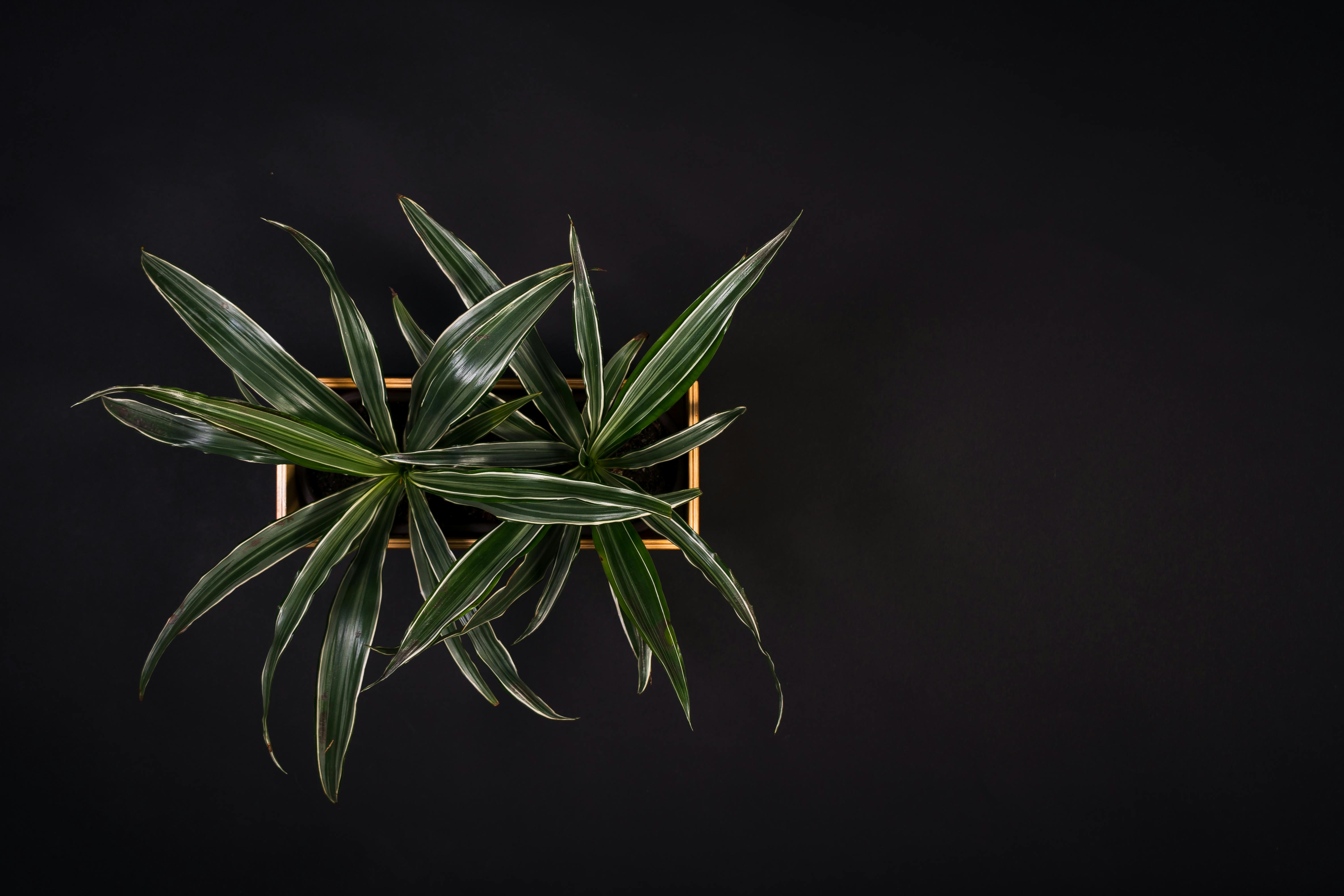
My dracaena marginata has lived through three apartment moves, a broken heating system winter, and a six-week period where I completely forgot it existed. It came back from all of it. Dracaenas are often marketed as "hard to kill" — and while that's broadly true, there's a difference between surviving and thriving. My marginata only started producing a lush crown of new foliage when I finally addressed its chronic brown tip problem by switching from tap to filtered water. That one change transformed a plant I'd been merely tolerating into one I genuinely love.
The Most Common Indoor Dracaena Species
The Dracaena genus underwent a significant reclassification, with the beloved Sansevieria (snake plant) now officially reclassified as Dracaena trifasciata. The most commonly kept indoor species include: Dracaena marginata (dragon tree) with narrow, red-edged leaves on bare cane stems; Dracaena fragrans (corn plant) with broad, corn-like leaves often featuring a yellow central stripe; Dracaena deremensis varieties including 'Janet Craig' (dark green) and 'Warneckii' (green-and-white striped); and Dracaena trifasciata (snake plant) with stiff, upright, variously patterned leaves.
Each has slightly different care preferences, but all share the same fundamental needs: moderate to bright indirect light, conservative watering, and fluoride-free or filtered water. The Missouri Botanical Garden's houseplant records document the full Dracaena genus with detailed cultivation notes for each major species.
Light Requirements Across Dracaena Species
Most dracaenas are remarkably adaptable to indoor light conditions. D. marginata and D. fragrans can tolerate moderate indirect light — even several feet from a window — and remain attractive for years. The variegated cultivars like 'Song of India' (D. reflexa) and 'Warneckii' need brighter indirect light to maintain their cream or yellow patterning. D. trifasciata (snake plant) is the most light-flexible of all, genuinely surviving in dimly lit corners, though it grows fastest in bright indirect light.
Direct summer sun causes bleaching and leaf scorch on most dracaenas. Morning sun through an east window is typically fine and beneficial for growth, but afternoon sun through a west or south window requires a sheer curtain. University of Minnesota Extension's interior plant guidance lists dracaenas among the top five most reliable plants for low-to-moderate light interior environments.
Watering, Fluoride, and the Brown Tip Problem
Brown leaf tips are the universal dracaena complaint, and in my experience, fluoride sensitivity combined with irregular watering causes the vast majority of cases. Municipal tap water in North America typically contains fluoride at levels that dracaenas — among the most fluoride-sensitive houseplants — cannot tolerate over time. Switch to filtered water, collected rainwater, or distilled water and you will see new growth emerge with clean tips within a few months, even if older leaves remain brown-tipped.
Water dracaenas when the top half of the soil has dried, roughly every ten to fourteen days in a moderately lit room during the growing season, and every fourteen to twenty-one days in winter. They are far more drought-tolerant than most tropical foliage plants and actively prefer their roots to dry out somewhat between waterings. Overwatering causes yellowing of lower leaves, soft stems, and root rot — more damaging to dracaenas than drought stress. Use a well-draining potting mix and ensure your pot has drainage holes. According to Gardening Know How's dracaena care resources, the combination of fluoride-free water and conservative watering resolves brown tips in the majority of cases.
Troubleshooting Common Dracaena Problems
Beyond brown tips, the most frequent dracaena issues are: yellowing lower leaves (almost always overwatering), leggy or weak new growth (insufficient light), leaf drop on marginata varieties (cold drafts or temperature below 55°F), and soft, mushy cane stems (root rot from chronic overwatering). For leggy growth, increase light and prune back the cane stem — new growth will emerge from nodes below the cut, and the pruned top can be rooted as a cutting. For cane rot, cut the stem above the mushy section, allow the cut to callous, and re-root the healthy top portion in fresh, dry mix.
For broad leaf yellowing that's not clearly overwatering-related, consider a soil flush to remove accumulated fertilizer salts, and evaluate humidity levels — dracaenas in very dry air (below 30% humidity) occasionally show generalized yellowing and tip burn. See our stem rot identification and treatment guide for detailed recovery steps. For general drooping diagnosis, visit our drooping houseplant guide.
Common Mistakes to Avoid
- Using tap water: Fluoride accumulation is the primary cause of chronic brown tips. Switch to filtered water immediately.
- Watering too frequently: Dracaenas need their soil to dry out partially between waterings. More water is not better.
- Ignoring cold drafts: Temperatures below 55°F (13°C) cause rapid yellowing and leaf drop, especially in marginata varieties.
- Trimming brown tips with dull scissors: Ragged cuts leave the plant vulnerable to infection. Use clean, sharp scissors and cut at a slight diagonal to mimic the natural leaf shape.
- Overfertilizing: Dracaenas are light feeders. Monthly at half-strength during the growing season is ample; skip winter feeding entirely.
Quick Reference Dracaena Care Table
| Species | Light Tolerance | Water Frequency | Key Sensitivity |
|---|---|---|---|
| D. marginata | Moderate to bright indirect | Every 10–14 days | Cold drafts, fluoride |
| D. fragrans | Low to moderate indirect | Every 10–14 days | Overwatering, fluoride |
| D. deremensis | Moderate indirect | Every 10–14 days | Fluoride, low light |
| D. trifasciata | Low to bright indirect | Every 14–21 days | Overwatering |
Frequently Asked Questions
Can I cut back a leggy dracaena to make it bushy again?
Yes. Cut the cane at whatever height you want the plant to branch, and new growth will emerge from nodes just below the cut within four to six weeks. The cut top portion can be propagated: remove lower leaves, allow the cut end to callous briefly, and root in moist potting mix or water. Multiple sections of healthy cane can be rooted simultaneously to produce new plants.
Are dracaenas safe for cats?
No. Dracaena species (including snake plants, reclassified as D. trifasciata) are toxic to cats and dogs. Ingestion causes vomiting, excessive salivation, and lethargy. If you have cats that chew plants, place dracaenas in inaccessible locations or choose pet-safe alternatives like spider plants or Boston ferns.
Why is my dracaena's new growth smaller than older leaves?
Small new growth in dracaenas typically indicates insufficient light or inadequate nutrition. The plant produces leaves sized to the energy it has available. Move the plant closer to a bright indirect light source and resume monthly fertilizing during the growing season if you've been skipping feeds. New leaves should increase in size noticeably within one or two growth cycles after conditions improve.
Dracaenas earn their reputation as some of the most reliable indoor plants available. Solve the brown tip problem with filtered water, resist the urge to overwater, give them adequate (not excessive) light, and they'll provide architectural presence in your space for a decade or more. Drop your dracaena questions in the comments — I'm always happy to help troubleshoot.

About the Author
Sage Avery is a passionate gardener and plant enthusiast sharing tips for a greener life.