Fiddle Leaf Fig Brown Spots: How to Identify Each Cause (With Photos)
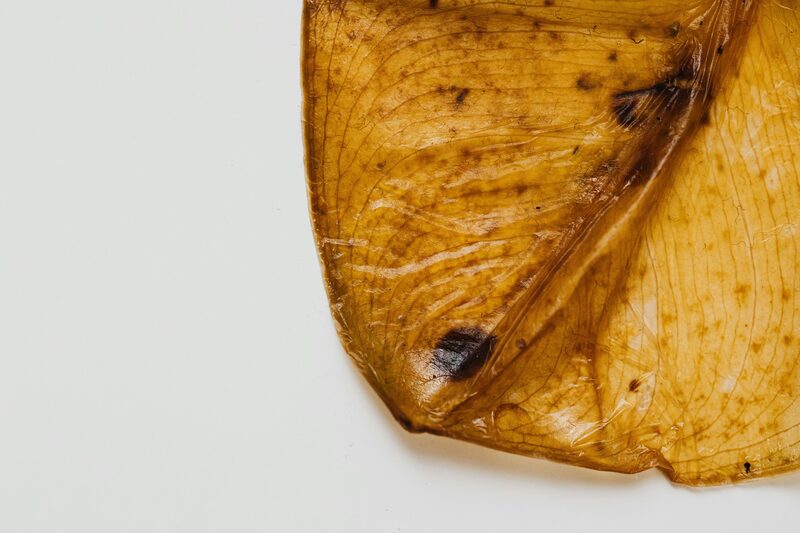
My fiddle leaf fig's first brown spot appeared on a lower leaf about three months after I brought it home, and I made the classic mistake: I assumed I knew what it was, treated for the wrong cause, and watched the problem get worse over the following four weeks before I finally unpotted the plant and looked at the roots. What I found clarified everything, root rot from overwatering, not the bacterial infection I'd been treating for. The distinction matters enormously because the treatments are not just different, they are opposite in at least one key way: adding humidity and warmth helps recovery from environmental stress, but those same conditions accelerate bacterial spread. Getting the diagnosis right before treating is the entire game with Ficus lyrata brown spots.
Brown Spot Pattern 1: Root Rot, Wet, Spreading Spots With Yellow Borders
Root rot is caused by Phytophthora or similar water mold pathogens that colonize the root zone when soil stays wet too long. The brown spots it produces on leaves are distinctive once you know what to look for: they typically begin at the leaf edges or in the lower portion of older leaves, are medium to dark brown with a yellowish-green border transitioning to healthy green tissue, and feel slightly soft or wet to the touch when fresh rather than dry and papery. The spots are irregular in shape and spread inward from the margin rather than appearing as discrete dots.
The confirming diagnostic: unpot the plant and examine the roots. Roots affected by water mold are brown to black, hollow or mushy when squeezed, and may have a slight sour smell. Healthy roots are firm, white, and resist gentle pressure. If you find even mild root discoloration accompanying the brown leaf spots, overwatering and root rot is the cause. The fix: remove all mushy root material, allow roots to air-dry for 30 minutes, repot in fresh fast-draining mix (two parts potting soil, one part perlite), and reduce watering frequency significantly, most fiddle leaf figs in a 10-inch pot in indirect light need water only every 7-10 days in summer and every 14-21 days in winter. According to Clemson University's HGIC plant disease resources, water mold diseases in container plants are directly linked to anaerobic (oxygen-deprived) soil conditions created by persistent saturation, improving drainage is both the cure and the prevention.
Brown Spot Pattern 2: Bacterial Infection, Dark, Wet-Looking Spots That Spread Fast
Bacterial infection, most commonly Pseudomonas cichorii in indoor Ficus lyrata, produces a brown spot pattern that looks different from root rot in several specific ways: the spots are dark brown to black rather than medium brown, they appear anywhere on the leaf surface rather than primarily at edges, they often have a water-soaked or greasy appearance at the leading edge when actively spreading, and they spread rapidly across multiple leaves within days to weeks once established. A plant with bacterial infection can lose several leaves in a single week in warm, humid conditions.
Bacterial infections in fiddle leaf figs almost always enter through an existing wound or through root rot that has progressed to systemic infection, the two causes are often sequential rather than separate. Treatment requires removing all visibly infected leaves immediately (bag them before removing to prevent spreading spores through the air), sterilizing pruning tools between cuts with rubbing alcohol, improving air circulation around the plant, and reducing humidity temporarily, the opposite of the advice for environmental browning. Do not mist a fiddle leaf fig that may have bacterial infection; moisture on leaf surfaces accelerates spread. The broader guide to diagnosing and treating black spots on plant leaves covers the bacterial identification process in more detail and applies directly to advanced Ficus lyrata infections. According to Missouri Botanical Garden's houseplant disease resources, bacterial leaf spot in Ficus species progresses most rapidly in warm, humid, poorly ventilated conditions, the same environmental conditions that other care guides often recommend for tropical plant health.
Brown Spot Pattern 3: Environmental Damage, Dry, Crispy Spots From Sunburn or Low Humidity
Environmental browning looks fundamentally different from both root rot and bacterial infection: the spots or affected areas are dry, tan or light brown, and crispy to the touch, not soft, not wet, not spreading. Sunburn produces tan or whitish patches specifically on the portions of the leaf that were most directly exposed to intense light, often with a sharper boundary between damaged and healthy tissue than root rot or bacterial spots. Low humidity browning produces crispy margins and tip damage across the leaves that face the most exposed or drafty positions in the room.
Cold damage, from a cold window in winter, an air conditioning vent, or being left in a car during transport in cool weather, produces a similar dry, crispy appearance, often with a dark border at the transition between damaged and healthy tissue. The common thread across all environmental causes is texture (dry, not soft) and pattern (edges or light-exposed surfaces rather than random spots across the leaf interior).
The fix for sunburn is repositioning away from direct light, fiddle leaf figs need bright indirect light, not direct sun, which means at least two to three feet from a south-facing window or diffused through a sheer curtain. The fix for low-humidity browning is raising ambient humidity above 40% with a humidifier and keeping the plant away from heating vents and cold drafts. The comprehensive beginner guide to fiddle leaf fig care covers all the environmental positioning principles that prevent these conditions from developing in the first place. According to The Spruce's houseplant care resources, Ficus lyrata is particularly sensitive to environmental instability, sudden changes in light, temperature, or humidity trigger stress responses including leaf browning and drop more reliably than in most other common houseplants.
Recovery Protocol: What to Do for Each Cause
Once you've identified the cause, the recovery approach differs significantly. For root rot: remove mushy roots, repot in fresh mix, reduce watering, hold fertilizer for six weeks. Existing brown spots on leaves will not heal, but the plant should stop producing new spots within two to four weeks of the root health improvement. For bacterial infection: remove infected leaves immediately and bag them, improve air circulation, reduce humidity temporarily, stop all misting, and consider a copper-based bactericide spray applied to remaining leaves according to product instructions. For environmental causes: correct the specific stressor (reposition for light, humidify for dryness, move away from drafts), and new growth emerging after the correction should be unblemished. In all three cases, do not remove any leaves with only partial browning unless they are more than 60% damaged, partially healthy leaves still contribute to photosynthesis and the plant's recovery capacity.
Common Mistakes
- Treating for bacterial infection without examining the roots first: Root rot causes the majority of brown-spot cases in Ficus lyrata. Always unpot and examine root health before concluding the problem is bacterial, the two causes require different treatments.
- Misting a plant with suspected bacterial infection: Moisture on leaf surfaces accelerates bacterial spread dramatically. Misting is contraindicated when bacterial leaf spot is suspected or confirmed.
- Moving the plant to troubleshoot: Fiddle leaf figs drop leaves in response to environmental changes. Moving the plant to test different positions causes additional stress and leaf drop on top of the existing brown-spot problem.
- Removing all spotted leaves immediately: Only remove leaves that are more than 60% damaged. Partially green leaves continue photosynthesizing and support the plant's recovery. Removing too much leaf area at once compounds stress.
- Confusing dry crispy browning for root rot: Dry, tan, crispy brown that starts at leaf edges is environmental damage, the opposite treatment (reducing watering, improving drainage) makes it worse if the real problem is low humidity or sunburn.
- Repotting as a first response to any browning: Repotting is stressful and should only be done when root rot is confirmed, not as a precautionary measure in response to leaf spots. Unnecessary repotting can trigger leaf drop in an already-stressed plant.
Quick Reference Diagnostic Table
| Brown Spot Type | Color and Texture | Location on Leaf | Spread Pattern | Primary Fix |
|---|---|---|---|---|
| Root Rot | Medium-dark brown, slightly soft, yellow border | Edges and lower leaves first | Slow; inward from margins | Remove mushy roots; repot; reduce watering |
| Bacterial Infection | Dark brown to black, wet or greasy look at edges | Anywhere on leaf surface | Rapid; multiple leaves in days | Remove infected leaves; improve ventilation; reduce humidity |
| Sunburn | Tan or white, dry, crispy | Directly light-exposed areas | Stable; doesn't spread | Move away from direct sun |
| Low Humidity / Cold | Light brown, dry, papery | Margins, tips, exposed edges | Gradual; follows exposure pattern | Raise humidity; remove from drafts or cold windows |
Frequently Asked Questions
Will the brown spots on fiddle leaf fig leaves go away on their own?
No, brown areas on existing leaves are permanent damage that will not reverse regardless of improved care conditions. What improved conditions do is stop new spots from developing on existing leaves and allow new leaves to emerge without damage. The goal when treating any cause is not to heal existing spots, it is to stabilize the plant so new growth comes in clean. Spotted leaves can be left in place as long as they retain more than 40% green area; remove them only when they are predominantly brown or when they detach easily on their own.
How do I tell root rot spots from bacterial spots without unpotting?
The most reliable above-ground indicators: root rot spots are soft or slightly wet to the touch when fresh and typically start at leaf edges with a yellowish transition zone; bacterial spots can appear anywhere on the leaf surface, often have a wet or greasy appearance at the active edge, and spread noticeably within a few days across multiple leaves. If spots are stable (not visibly expanding day to day), root rot or environmental damage is more likely. If new spots are appearing on previously unaffected leaves within the same week, bacterial infection is the stronger suspect. Unpotting to check root health remains the most reliable confirmation for root rot.
My fiddle leaf fig dropped a leaf with a large brown spot, should I be worried?
A single dropped leaf with an isolated brown spot is not cause for alarm, particularly if it came from the lower portion of the plant (where older leaves naturally age and drop) and if the remaining leaves look healthy and firm. Leaf drop becomes a concern when multiple leaves drop in a short period, when the dropped leaves come from multiple heights on the plant rather than just the base, or when the spots on remaining leaves are actively expanding. In those cases, investigate root health and environmental conditions immediately rather than waiting to see whether the situation resolves on its own.
Brown spots on fiddle leaf figs frustrate so many plant parents precisely because the plant is expensive, striking, and apparently delicate, but the diagnosis process is genuinely manageable once you know what to look for. Examine the root zone first, then examine the spot pattern, and the cause becomes clear in almost every case. If you want help with your exact setup, send the plant name, light, pot size, and recent watering notes through the contact page.

About the Author
Written by Sage Avery, a plant care writer at Plant Companion Guide. For how we create and update content, see our editorial policy.