Black Spots on Plant Leaves: 7 Causes and Fixes
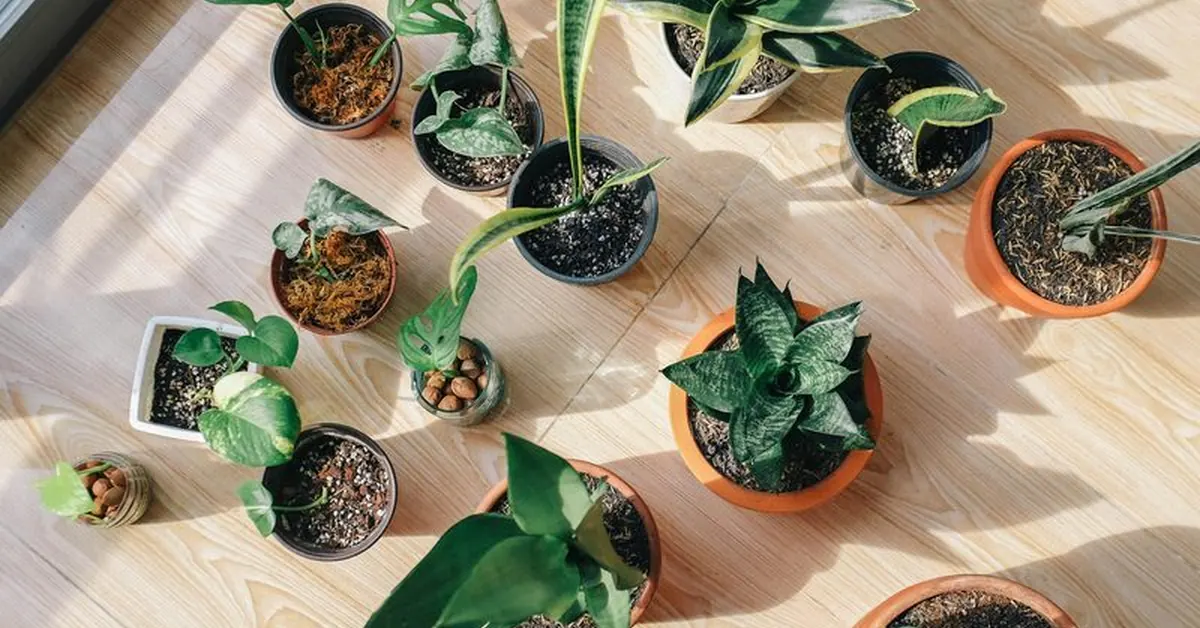
Black spots on plant leaves are dead or discolored tissue, but they are not one diagnosis. Fungi, bacteria, sap-feeding pests, excess moisture, cold injury, sun scorch, and chemical damage can all create dark marks. Before spraying anything, check whether the mark is dry, wet, raised, sticky, or easy to wipe away.
The pattern matters more than the color alone. A circular spot that grows over several days needs a different response from a black film that wipes off or a crisp patch facing a sunny window. This guide gives you a five-minute inspection, a cause-by-cause comparison, and a treatment plan that avoids making the problem worse.
Quick answer
- Wipe one mark with a damp white cloth before assuming it is damaged tissue.
- Check both leaf surfaces, stems, roots, soil moisture, and nearby plants.
- Isolate the plant if spots are spreading, wet, sticky, or paired with pests.
- Treat the confirmed cause, not the color of the spot.
What Causes Black Spots on Plant Leaves?
Black spots on plant leaves usually come from one of seven categories: fungal leaf spot, bacterial disease, sooty mould, pest damage, root stress, temperature or light injury, and chemical injury. Iowa State University Extension notes that houseplant diseases often develop after poor growing conditions weaken the plant, so diagnosis should include the environment as well as the leaf.
| Pattern you see | Likely cause | First useful action |
|---|---|---|
| Dry round spots that enlarge, sometimes with a halo or tiny dots | Fungal leaf spot | Remove badly affected leaves and keep foliage dry |
| Wet, soft, angular, or translucent-edged lesions | Bacterial leaf spot or soft rot | Isolate the plant and stop splashing water |
| Black film that wipes off, often above sticky leaves | Sooty mould from sap-feeding pests | Find and manage the insects producing honeydew |
| Silvery scars with pepper-like black specks | Thrips or another pest | Inspect undersides and new growth with bright light |
| Dark soft edges plus wet mix, odor, or failing roots | Root stress or rot | Inspect the root ball before watering again |
| One-sided crisp or bleached patches after a move | Sun scorch | Move the plant out of harsh direct light |
| Sudden blackening nearest a cold window or draft | Cold injury | Move the plant to stable conditions |
A pattern is a clue, not a laboratory diagnosis. Different causes can overlap, and one stressed plant can have more than one problem. The safest approach is to document what you see, correct obvious care issues, and use a pesticide only when the label matches both the plant and the identified problem.
How Can You Diagnose Black Spots in Five Minutes?
Start with a wipe test, then inspect the whole plant in bright indirect light. Do not begin by cutting every marked leaf or applying a homemade spray. A quick, repeatable inspection preserves evidence and helps you see whether the issue is on the surface, inside the tissue, or coming from the roots.
- Photograph the plant. Capture the whole plant and close views of both sides of a marked leaf.
- Wipe one spot. Use plain lukewarm water on a white cloth. Note whether the black material transfers.
- Feel the tissue. Dry and crisp, soft and wet, raised, sunken, or sticky surfaces point in different directions.
- Look underneath. Check veins, petioles, stems, and new growth for insects, webbing, scale bumps, or black specks.
- Check the root zone. Feel below the surface, lift the pot, smell the mix, and inspect drainage.
- Reconstruct the timeline. Note recent moves, cold nights, direct sun, repotting, cleaning sprays, and watering changes.
Mark one lesion with a small piece of tape on the petiole or photograph it beside a ruler. Recheck it in seven to ten days. A growing lesion or new spots signal an active problem. A stable dry scar after conditions improve is old damage, not proof that treatment failed.
Which Black Spot Patterns Point to Disease?
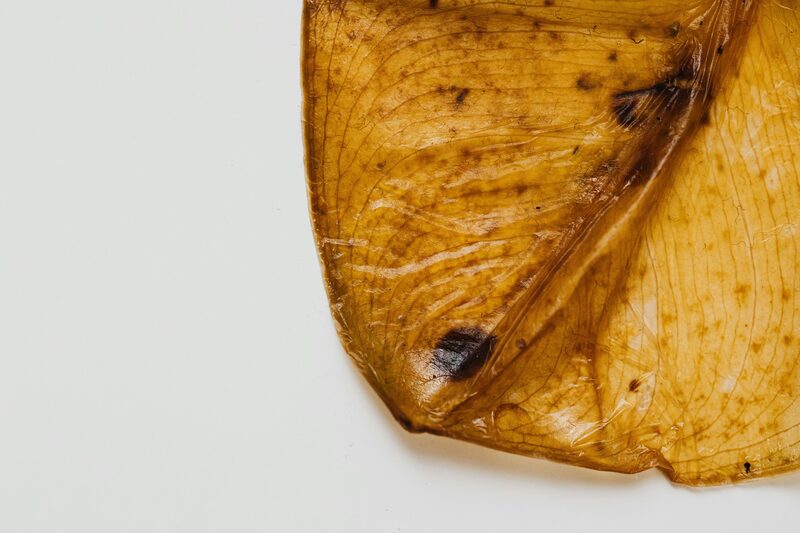
True leaf spot disease is more likely when lesions multiply or enlarge while foliage stays wet and air movement is poor. University of Maryland Extension describes fungal leaf spots as tan, reddish-brown, or black circular lesions that may merge into irregular blighted areas. Wet or translucent tissue raises more concern for bacterial disease.
Fungal leaf spot
Fungal spots are often dry and roughly circular. Some develop concentric rings, colored margins, or tiny fruiting structures in dead tissue. They can begin on crowded inner leaves, but shape alone cannot identify the exact pathogen.
Remove badly affected leaves, space plants, and water the potting mix without wetting foliage. University of Maryland Extension recommends lowering humidity around infected foliage, reducing leaf wetness, and improving air circulation. Water early if leaves might get wet so they dry promptly.
Bacterial leaf spot and soft rot
Bacterial lesions may begin water-soaked and later turn tan, brown, or black. Missouri Botanical Garden lists a yellow halo as one useful clue, though it is not always present. Soft tissue, rapid spread, stem involvement, or an unpleasant odor increases concern.
Move the plant away from the collection, remove affected tissue with clean tools, and avoid splashing water. Disinfect tools after use. Fungicides do not control bacterial disease, and sprays cannot restore infected tissue. If blackening advances into the stem or growing point, seek a local plant diagnostic service or discard the plant.
When Do Pests Create Black Spots or Black Film?
Pests cause two very different black clues. A wipeable soot-like coating points toward sooty mould growing on sticky honeydew. Tiny black specks beside silvery or scraped tissue suggest pest waste and feeding damage. In both cases, the insect is the primary problem.
Black film that wipes away
The Royal Horticultural Society explains that sooty mould grows on sugar-rich honeydew from sap-feeding insects such as aphids, mealybugs, scale insects, and whiteflies. The mould stays on the surface and may wash away, but it returns if the pest remains.
Inspect stems, leaf joints, and the undersides of leaves above the dark film. Sticky residue is another strong clue. Manage the pest first, then wipe leaves gently with lukewarm water. Our guide to identifying scale insects on houseplants shows where the hidden bumps tend to cluster.
Black specks with silver scars
Thrips feeding often leaves pale, silvery, or bronzed scars with small dark specks nearby. Check tender new leaves and protected folds. If the pattern matches, isolate the plant and follow the inspection and treatment steps in our thrips damage guide.
Can Watering, Roots, Sun, or Cold Cause Black Marks?
Environmental injury usually follows a pattern in space and time. Root trouble affects the plant more broadly, while sun and cold damage often appear on the side closest to the stress. These problems do not spread between plants, and fungicide will not correct them.
Root stress and excess moisture
Do not diagnose root rot from one spotted leaf. Look for persistently wet mix, a heavy pot, yellowing, wilting despite damp soil, a soft stem base, or dark mushy roots. If those clues appear together, use our overwatering versus underwatering checks before changing the schedule.
Roots need oxygen as well as moisture. Empty standing water from the saucer and confirm that drainage holes are open. If roots smell sour or collapse when touched, remove decayed tissue and repot only after deciding whether enough firm roots remain to support recovery.
Sun scorch, cold injury, and chemical damage
Sun scorch tends to create tan, brown, or very dark crisp patches on the light-facing side after a sudden increase in direct sun. Cold injury can look soft or blackened near a cold pane, exterior door, or air-conditioning vent. Aerosol cleaners and concentrated leaf products may leave scattered burned spots where droplets landed.
Move the plant to stable, species-appropriate conditions and rinse residue with plain water if the plant tolerates wet leaves. Do not place a chilled plant immediately in hot direct sun. Damaged tissue will not recover, but healthy new growth shows that the correction worked.
Could the Black Spots Be Normal?
Some dark markings are normal plant structures or pigmentation. Fern sori form organized dots or rows on the underside of mature fronds. Variegated cultivars can have stable dark patches repeated across many leaves. These patterns remain consistent rather than spreading like lesions.
Boston fern, Nephrolepis exaltata, can carry tidy rows of brown spore structures beneath its fronds. Do not remove healthy fronds only because those dots appear. Compare the plant with reliable photos of the same species and cultivar, especially when every mature leaf shows the same organized pattern.
How Do You Treat Black Spots on Plant Leaves Safely?
Use the least disruptive treatment that fits the evidence. Most home leaf spot problems improve when you remove heavily affected tissue, keep leaves dry, create space for airflow, and correct care. A spray chosen only because a spot looks black can injure foliage or hide the real cause.
- Separate when needed. Isolate plants with spreading wet lesions, sticky honeydew, or visible pests.
- Remove the worst tissue. Cut soft, heavily spotted, or collapsing leaves with clean pruners. Discard them instead of composting suspect disease material.
- Correct the environment. Space crowded pots, keep foliage dry, improve light if it is too low, and stop watering by calendar.
- Manage confirmed pests. Match the control to the insect and repeat inspections because eggs or hidden stages may remain.
- Use labeled products only. Confirm that the label lists the plant and target problem. Follow mixing, ventilation, and repeat-application directions exactly.
- Watch new growth. Old spots remain. Success means lesions stop expanding and new leaves emerge clean.
Avoid dish detergent, baking soda mixtures, alcohol sprayed over the whole plant, and unmeasured essential oils. These can burn foliage, especially in bright light. Neem oil is not a universal leaf spot cure, and copper products are not suitable for every plant or every diagnosis.
When Should You Discard a Spotted Houseplant?
Discarding is reasonable when soft rot reaches the main stem, the growing point collapses, most roots are dark and mushy, or active lesions continue spreading after isolation and care corrections. Iowa State University Extension notes that major disease problems often cannot be cured and may threaten nearby plants.
Keep a mildly affected plant when damage is stable and enough healthy foliage remains. Quarantine it, label the date, and monitor new growth. For a valuable or unusual plant, contact a university extension or plant diagnostic clinic before using a pesticide or removing the specimen.
How Can You Prevent Black Spots From Returning?
Prevention centers on dry foliage, clean tools, suitable light, and a root zone that drains while holding the moisture the species needs. The broader houseplant care mistakes guide explains why checking conditions beats following one fixed routine for every pot.
- Inspect new plants away from the main collection before placing them together.
- Water the mix, not the leaves, unless you are intentionally rinsing a suitable plant.
- Leave space between plants and remove dead leaves from pots and shelves.
- Clean pruners before and after working on suspect tissue.
- Check leaf undersides and stems during regular watering.
- Track one change at a time so you can tell what helped.
The goal is not a permanently spotless leaf. It is a plant whose new growth stays healthy because the underlying condition has changed.
Frequently Asked Questions
Should I cut off leaves with black spots?
Remove heavily spotted, soft, or actively spreading leaves with clean pruners. A leaf with one stable dry mark can remain if the plant has little healthy foliage. Disinfect the blades after cutting, discard suspect tissue, and correct the moisture, airflow, pest, or temperature problem that caused the damage.
Can black spots spread to other plants?
Some causes can spread, including fungal or bacterial leaf spots and sap-feeding pests. Sun scorch, cold injury, and chemical damage cannot. Isolate the plant while you inspect it if new spots are appearing, lesions look wet, or you find insects, sticky honeydew, or similar damage on neighboring plants.
Does neem oil treat black spots on leaves?
Neem oil is not a universal treatment for black spots. It will not repair dead tissue, cure bacterial disease, or correct sun and cold injury. Identify the cause first. If a pesticide is needed, choose a product labeled for both the plant and the confirmed pest or disease, then follow its directions.
Will black spots disappear after treatment?
No. Black tissue is dead and will not turn green again. A successful fix stops new spots from appearing and allows healthy leaves to emerge. Photograph the plant, mark one affected leaf, and compare it after seven to ten days instead of judging recovery by the appearance of old damage.
Sources
- University of Maryland Extension: Fungal Leaf Spots on Indoor Plants
- Iowa State University Extension: Diagnosing Houseplant Problems from Diseases
- Missouri Botanical Garden: Bacterial Spots, Blights, and Rots
- Royal Horticultural Society: Sooty Moulds
- University of Georgia Extension: Growing Indoor Plants with Success

About the Author
Written by Sage Avery, a plant care writer at Plant Companion Guide. For how we create and update content, see our editorial policy.