Scale Insects on Houseplants: Identify and Remove Them
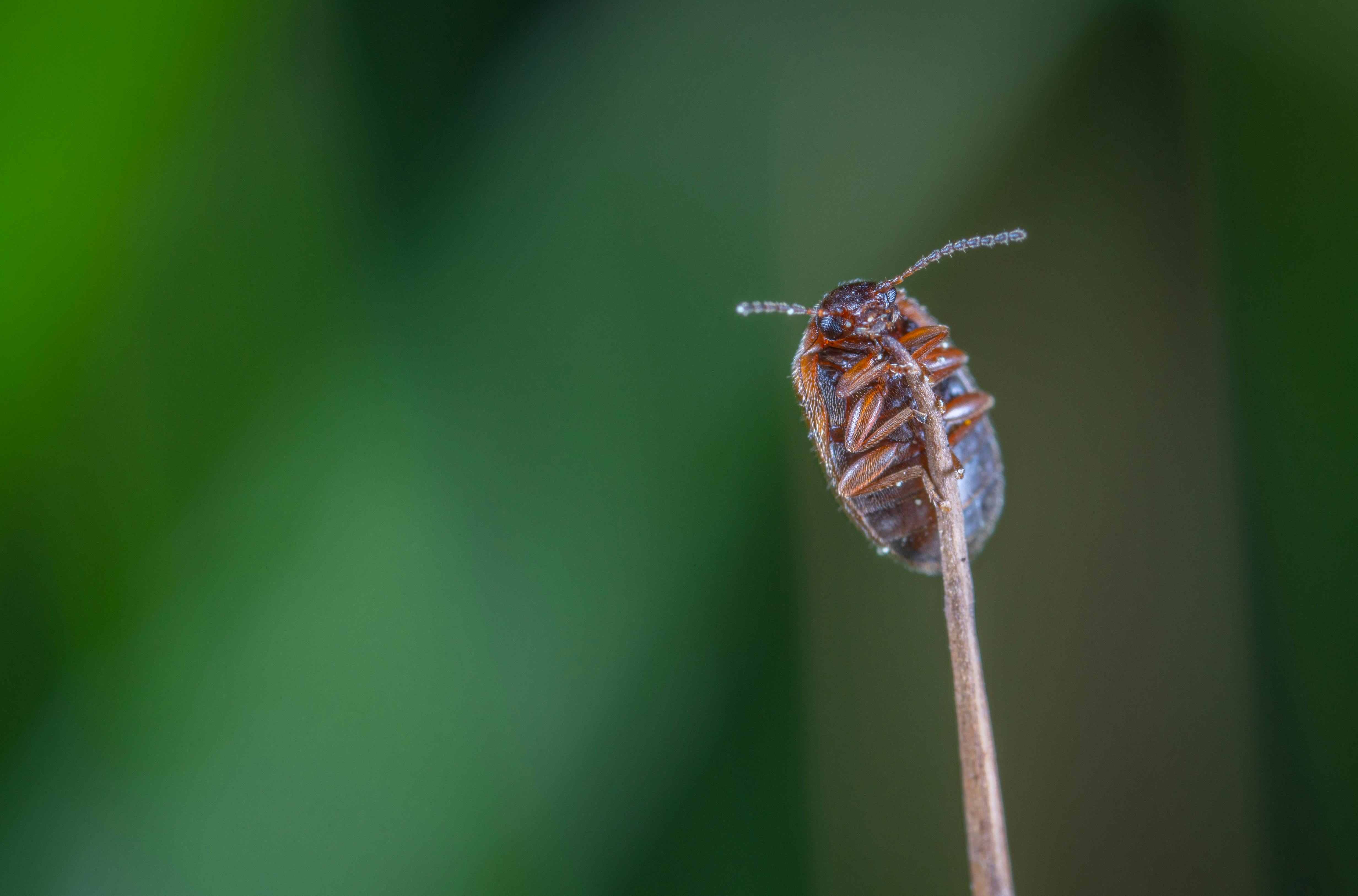
Scale insects on houseplants look like tiny shell-like bumps stuck to stems, leaf undersides, and veins. The fix is not one heroic spray. Isolate the plant, scrape or wipe off visible scale, prune the worst growth, then repeat careful inspections and labeled oil or soap treatments until no new crawlers appear.
I treat scale slowly because that is usually what works. These pests sit still, blend into stems, and make a plant look dusty or tired before they look like an infestation. The first win is noticing them early enough that you can remove them by hand.
Key Takeaways
- University of Minnesota Extension lists adult scale at about 1/16 to 1/8 inch wide.
- Soft scale can leave sticky honeydew; armored scale usually does not.
- Physical removal is the first move for small indoor infestations.
- Repeat treatment matters because mobile crawlers can keep appearing.
What Are Scale Insects on Houseplants?
Scale insects are sap-feeding pests that hide under waxy, shell-like covers. UC IPM describes adult coverings as roughly 1/25 to 1/4 inch long, while UMN Extension lists many indoor scale adults around 1/16 to 1/8 inch. On a houseplant, that means the pest often looks like a brown, tan, white, or gray bump rather than a moving insect.
The confusing part is that adult females usually do not walk around where you can see them. Once settled, many stay in one spot and feed with piercing-sucking mouthparts. That is why a scale problem can sit quietly on a ficus, palm, hoya, citrus, orchid, or schefflera until leaves start yellowing.
When I inspect a suspicious plant, I do not start by looking for bugs crawling around. I look for texture. A scale insect feels slightly raised and can often be lifted with a fingernail, cotton swab, or soft toothbrush. A natural leaf scar is usually flatter and part of the plant tissue.
How Do You Identify Scale Before Treating?
Start by checking the places scale prefers: stems, petioles, leaf undersides, and mid-veins. UMN Extension specifically recommends examining stems and leaf undersides along mid-veins for scale insects, plus watching for shiny honeydew. If you see sticky leaves or black sooty mold, soft scale is more likely than armored scale.
Use bright light and rotate the plant slowly. Scale often hides where a leaf meets the stem, inside tight growth, or on woody stems that already have mottled color. On palms, I check the underside of leaflets and the base of the frond. On ficus and citrus, I check stems first because the bumps blend into bark.
Do a gentle scrape test. If the bump lifts off and leaves a mark underneath, treat it as possible scale. Do not scrape so hard that you damage thin stems. A cotton swab, old soft toothbrush, wooden plant label, or fingernail wrapped in tissue is usually enough.
Soft Scale vs Armored Scale: Why Does It Matter?
The treatment decision changes when you know which type you are dealing with. UC IPM explains that armored scale covers are usually removable and do not produce sticky honeydew. Soft scale is usually larger, rounded, and produces honeydew that can lead to sooty mold.
| Feature | Soft scale | Armored scale | What it means indoors |
|---|---|---|---|
| Typical look | Rounded, domed, waxy bumps | Flatter, shell-like plates | Both can blend into stems |
| Honeydew | Often present | Usually absent | Sticky leaves point toward soft scale |
| Cover | Part of the insect body | Can often lift separately | Scrape gently to inspect |
| Best first step | Remove visible pests, clean leaves | Remove visible pests, repeat crawler checks | Do not rely on one spray |
| Systemic products | Some may work, label dependent | Often less reliable | Read the label before use |
For houseplants, I care less about naming the exact species and more about reading the pattern. Sticky leaves, ants near the pot, and black residue usually tell me soft scale or another honeydew pest is active. Dry, hard, flat plates without sticky residue make armored scale more likely.
What Damage Do Scale Insects Cause?
Scale insects feed by sucking plant sap, and heavy feeding can yellow leaves, slow growth, cause leaf drop, and stunt plants. UMN Extension lists yellowing, leaf drop, slowed growth, and stunting as common scale damage signs. UC IPM adds that some infestations make plants look water-stressed even when watering is normal.
The damage can look like a care problem at first. A ficus drops leaves. A palm looks dull. A hoya pauses growth. A citrus develops sticky leaves and pale patches. Before changing your whole watering routine, inspect the stems and leaf undersides.
Soft scale can also create a secondary mess. Honeydew lands on lower leaves, windowsills, shelves, and nearby furniture. Black sooty mold can grow on that sticky residue. The mold itself is not the scale insect, but it tells you something is feeding above it.
How Should You Treat Scale on a Houseplant?
For a small indoor infestation, the safest treatment sequence is isolation, physical removal, pruning, washing, and repeated monitoring. UMN Extension says many indoor plant pests can be managed with nonchemical methods when infestations are minor, and it specifically lists physical removal for small numbers of scale insects.
1. Isolate the Plant First
Move the plant away from the rest of your collection before you clean it. Scale crawlers are the mobile young stage, and UC IPM says crawlers can move over the plant surface or be transported by people, wind, or birds. Indoors, your hands, sleeves, tools, and watering routine can do the spreading.
I keep the plant in a bright quarantine spot for at least two weeks after the last visible scale. If new bumps appear, the clock restarts. That sounds strict, but scale rewards patience more than optimism.
2. Remove What You Can See
Wipe leaves and stems with a damp cloth. Then lift visible scale with a cotton swab, soft toothbrush, fingernail file, or wooden label. UMN Extension recommends using a fingernail file or something similar for small numbers of scale insects.
Work slowly and change towels often. If I am cleaning a plant with many stems, I put a sheet of white paper underneath. The fallen bumps are easier to see, and I can throw the paper away when I am done.
3. Prune the Worst Growth
If one stem is packed with scale, prune it instead of trying to rescue every leaf. UMN Extension recommends pruning when the pest issue is isolated to a few leaves, stems, or branches. Removing the worst parts also makes sprays and follow-up inspections more effective.
Use clean pruners and wipe them after the job. If sap sticks to the blades, clean that off too. A pest treatment day is not the day to move from one plant to another with dirty tools.
4. Wash Before Spraying
A sink or shower rinse removes loose crawlers, dust, honeydew, and some pests you missed by hand. For sturdy plants, I rinse leaf undersides and stems with lukewarm water. For delicate plants, I use a damp cloth instead.
This step also helps you see the plant clearly. Dust and honeydew can make every stem look suspicious. After a rinse, the remaining scale bumps stand out.
5. Use Labeled Soap or Oil Carefully
Insecticidal soap and horticultural oils can help because they smother exposed pests, but coverage matters. UMN Extension notes that insecticidal soap has no residual activity and must directly contact the insect. Plant oil extracts also work by smothering and usually need repeat applications.
Test one leaf first. Some houseplants dislike sprays, especially if they are drought-stressed, sun-stressed, or fuzzy-leaved. Follow the label, keep the plant out of direct sun until dry, and avoid homemade dish-soap mixes that can burn leaves.
Should You Use Neem, Alcohol, or Systemic Insecticide?
Use the least risky option that matches the infestation. Neem may help some exposed young pests, alcohol can help spot-remove individual insects, and systemics are a last-resort label decision. UC IPM warns that some systemic insecticides do not control armored scale and can affect beneficial insects and pollinators.
For one small hoya stem with ten bumps, I would remove the bumps by hand and monitor. For a large ficus with sticky leaves and scale on many stems, I would combine pruning, washing, and a labeled indoor-safe oil or soap. For a valuable plant that keeps relapsing, I would read labels carefully before considering a systemic product.
Be careful with plants that go outside in warm weather. UMN Extension cautions that imidacloprid is toxic to bees and should not be used on bee-attractive plants that are set outdoors during summer. That warning matters for indoor gardeners who move plants to patios.
When Should You Throw the Plant Away?
Discarding a plant is reasonable when it is badly damaged, heavily infested, low-value, or too dense to clean safely. UMN Extension says throwing away or composting a heavily infested and badly damaged plant can be necessary and economical because it avoids exposing other plants.
I know that sounds harsh. Still, a collapsing bargain-store ivy can endanger a whole shelf of healthier plants. If scale is tucked into every joint and you cannot reach the pests, disposal may be kinder to the rest of your collection.
For sentimental plants, take clean cuttings only if the plant type roots easily and the cutting has no visible scale. Keep those cuttings isolated too. Scale is very good at hiding in the place you forgot to check.
How Do You Prevent Scale From Coming Back?
Prevention is mostly inspection discipline. UMN Extension recommends examining new plants and isolating them for one to two weeks so pest problems can become visible. RHS also notes that scale can be active year round on protected plants, so indoor growers should not treat it as a one-season issue.
- Quarantine new plants: Keep them apart before adding them to a shelf or plant stand.
- Check when watering: Look under leaves and along stems before the pot goes back.
- Clean leaves: Dusty leaves hide pests and reduce plant health. Our safe leaf-cleaning guide covers the routine.
- Keep plants growing well: Stressed plants recover slowly. If several plants look weak, review basic houseplant care.
- Do not overwater after treatment: Pest stress plus wet roots is a bad combination. Use the watering diagnostic chart if leaves are yellowing.
It also helps to separate pest symptoms. If tiny flies lift from the soil, that is a different issue, so use the fungus gnats treatment guide. If leaves look scratched silver or bronze with black specks, compare the symptoms with our thrips damage guide.
Scale Treatment Checklist
A simple checklist keeps scale treatment from turning into random spraying. Use it every three to four days until the plant stays clean. The goal is to catch the small crawler stage before it becomes another round of settled adults.
| Check | What to look for | Action |
|---|---|---|
| Stems | Brown, tan, gray, or white raised bumps | Lift or wipe off visible scale |
| Leaf undersides | Bumps along veins and petioles | Clean, rinse, and inspect again |
| Sticky residue | Honeydew on leaves, shelves, or nearby surfaces | Suspect soft scale or another sap feeder |
| New growth | Fresh yellowing, distortion, or weak shoots | Keep isolated and repeat treatment |
| Neighbor plants | Matching bumps or sticky leaves | Quarantine and inspect separately |
Frequently Asked Questions
Can scale insects kill a houseplant?
A few scale insects rarely kill a healthy houseplant, but heavy infestations can weaken plants. Watch for yellow leaves, slow growth, leaf drop, sticky honeydew, and stem dieback.
What is the difference between soft scale and armored scale?
Soft scale is usually larger, rounded, and can produce sticky honeydew. Armored scale is flatter, often smaller, does not produce honeydew, and has a removable cover.
Does neem oil remove scale on houseplants?
Neem oil may help with some exposed young pests, but waxy adult scale often needs physical removal too. Always test one leaf first and follow the product label.
Should I repot a plant with scale insects?
Usually no. Scale insects feed on leaves and stems, not in the soil. Repot only if the plant also has soil, root, or drainage problems that need fixing.
How often should I treat scale insects?
Inspect every few days and repeat removal or labeled treatment weekly until no new scale appears. Indoor scale often needs several rounds because new crawlers can emerge.
Scale insects are slow pests, so the cleanup also has to be steady. Remove what you can see, repeat the inspection, and give the plant a cleaner growing setup. That patient rhythm is what turns a sticky, bumpy houseplant back into a plant you actually want on the shelf.

About the Author
Written by Sage Avery, a plant care writer at Plant Companion Guide. For how we create and update content, see our editorial policy.