Fungus Gnats Treatment: Stop Houseplant Gnats Fast
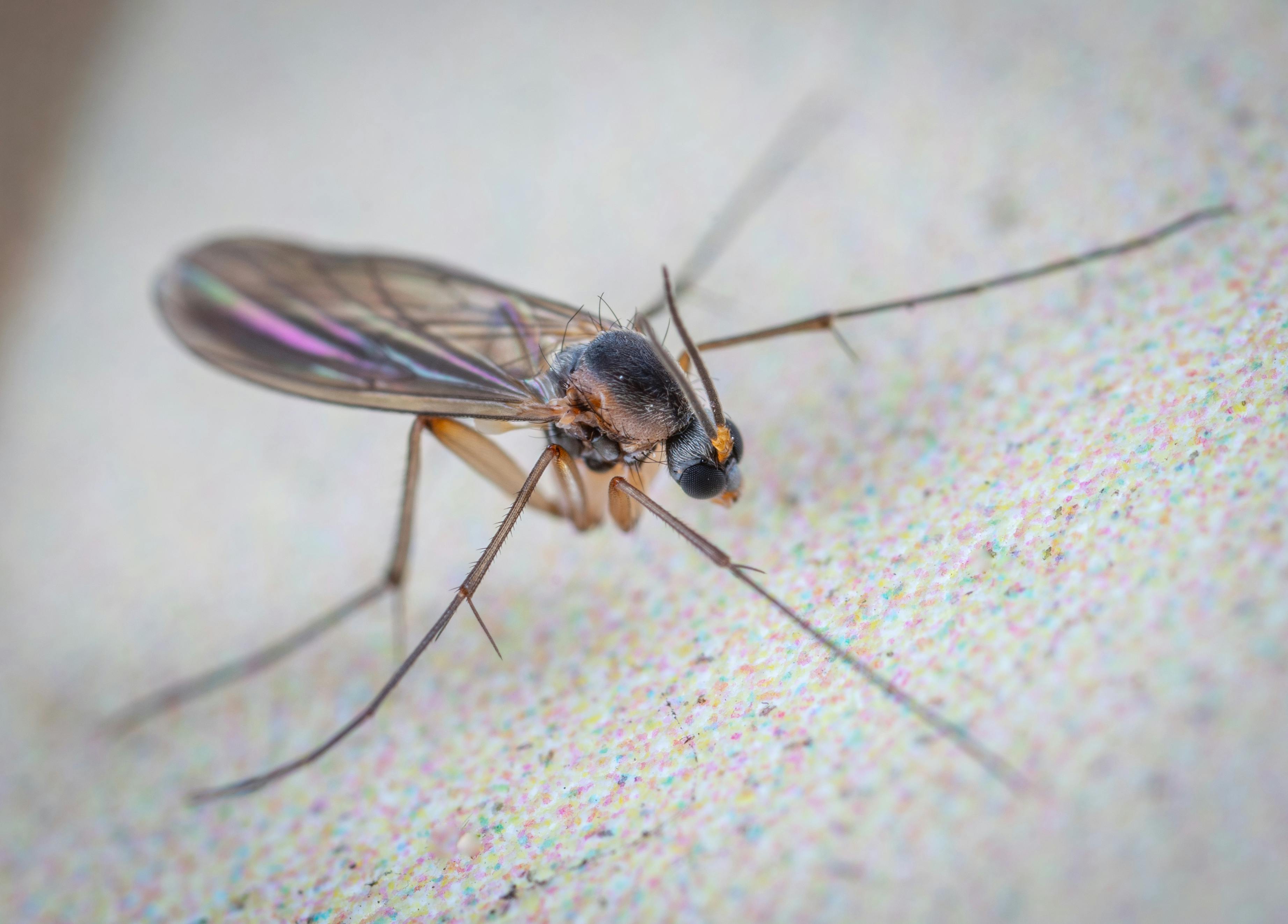
Fungus gnats treatment works best when you stop the larvae cycle in the soil, not when you chase every adult fly around the room. The adult gnats are the part you notice, but the problem keeps restarting in damp potting mix. UC IPM notes that fungus gnat larvae live in moist media, feed on fungi and organic matter, and can chew roots when numbers get high.
When I see tiny black flies lift from a pot after watering, I treat the pot like a moisture problem first and an insect problem second. The flies are annoying, yes. But the damp top layer is usually the invitation. Once that changes, sticky traps and Bti finally start to matter.
Quick answer: Let the top 1-2 inches of soil dry, place yellow sticky traps near the pot to catch adults, remove dead leaves from the soil surface, and use a Bti soil drench if larvae keep emerging. Repeat the routine for two to three weeks so you cover the next generation.
What Fungus Gnats Look Like
Fungus gnats are small, dark, weak-flying insects that tend to hover around potting soil, saucers, and lower leaves. UC IPM describes the adults as about 1/16 to 1/8 inch long, with long legs and one pair of clear wings. They do not fly like fruit flies. They drift, crawl, and make short awkward hops from the soil surface.
The larvae are the real reason you need a plan. They are pale, slender, and live in the upper part of damp potting mix. Colorado State University Extension says larvae feed on algae, fungi, organic matter, and roots, especially in the top few inches of media.
If you are not sure whether the insects are fungus gnats, use this simple check: tap the pot, watch where the insects come from, and inspect the soil. Fungus gnats usually rise from the potting mix. Whiteflies lift from leaf undersides. Thrips leave silvery scars and black specks on leaves. If the leaf damage looks scraped or streaked, compare it with the photos and symptoms in our thrips damage guide before treating the soil.
Why Fungus Gnats Keep Coming Back
Most recurring fungus gnat problems have the same root cause: the pot stays damp for too long near the surface. That can happen because you water too often, the pot has no drainage hole, the mix is too dense, the plant is sitting in a cachepot full of runoff, or winter light is too low for the plant to use water quickly.
University of Minnesota Extension says fungus gnats prefer damp potting soil and that letting the soil surface dry helps manage them. That advice sounds almost too simple until you see the pattern in real pots. A plant in loose mix with drainage may get a few adults and clear them fast. A plant in wet, compacted, peat-heavy mix becomes a nursery.
Lifecycle timing is why a one-day fix disappoints people. UC IPM reports that at about 75 F, eggs can hatch in around three days, larvae can develop for about 10 days, and adults can appear a few days later. In other words, today's adults are not the whole infestation. You need to make the pot less friendly to the larvae that are still in the mix.
Fungus Gnats Treatment Plan
Use this as a 14 to 21 day plan. If the plant is otherwise healthy, you usually do not need to throw away the soil or spray the leaves. Work from least disruptive to more active treatment.
1. Stop Watering on a Calendar
Skip the weekly watering habit for now. Press a finger, chopstick, or wooden skewer into the potting mix. Wait until the top 1-2 inches are dry before watering again. If the plant is in a large pot, check deeper than you normally would because the bottom half may stay wet even when the surface looks dry.
This is also the moment to check your diagnosis. A plant that wilts while the soil is still wet may have root stress from overwatering. Use our overwatering vs underwatering guide if the leaves are yellowing, drooping, or soft. Treating gnats while the root zone is failing is like mopping the floor without turning off the faucet.
2. Remove the Larvae Food
Clean the soil surface. Pick out dead leaves, old flower petals, shed cat grass, rotting moss, and any decorative organic topping that stays moist. Fungus gnat larvae feed heavily on fungi and decomposing material, so a messy soil surface makes the pot more inviting.
If you use a pebble top-dressing, lift it and check underneath. A decorative layer can hide constantly damp soil. I only keep top-dressing on plants that dry normally and are not already fighting gnats.
3. Add Yellow Sticky Traps
Place one yellow sticky trap just above the soil line or tucked at the inside edge of the pot. Sticky traps do two useful jobs: they catch adult gnats before they lay more eggs, and they show whether your treatment is working. A trap that fills on day two and slows down by day ten is good news.
Do not mistake traps for the whole cure. UMN Extension describes sticky cards as a way to trap adults, while soil moisture and larva control deal with the source. If new adults keep appearing after the trap is replaced, larvae are still completing their cycle in the mix.
4. Use Bti When Drying Alone Is Not Enough
If you still see fresh adults after a week of better watering and traps, use Bti, short for Bacillus thuringiensis israelensis. It is a biological larvicide used against fly larvae. UC IPM notes that Bti is toxic only to fly larvae and that repeated applications are usually needed because it does not persist for long.
Follow the label on your product. For houseplants, Bti is commonly sold as bits, dunks, or liquid formulas. Many growers soak the product in water, then use that water as a soil drench. The key is to moisten the top zone where larvae are active without returning to soggy, constant-wet conditions.
Check the label carefully. Bt products made for caterpillars are not the same as Bti products for fly larvae. UC IPM specifically cautions that the caterpillar form does not control fly larvae.
5. Fix Drainage and Soil Structure
If the pot takes a week or more to dry in normal room conditions, the problem is bigger than gnats. Check for drainage holes, compacted mix, a tight root ball, or a saucer that holds runoff. Our guide to drainage holes for indoor plants explains why a closed-bottom pot is so hard to manage long term.
Dense soil also matters. A mix that has collapsed into a heavy, airless mass dries unevenly and keeps the larvae zone damp. If your soil feels packed, crusty, or muddy, compare it with the checks in how to know if soil is too compact. For plants that need a reset, our best soil for houseplants guide can help you choose a lighter mix.
Fungus Gnats Treatment Table
| Problem sign | What it usually means | Best next move |
|---|---|---|
| Adults flying up when you water | Larvae are active in damp topsoil | Dry top 1-2 inches, add sticky traps, consider Bti |
| Trap fills fast for several days | Adult population is still high | Replace traps and treat larvae, not just adults |
| Gnats return after every watering | Watering rhythm or soil structure is keeping the pot too wet | Extend drying time and check drainage |
| Soil smells sour or stays wet | Mix may be decomposed, compacted, or root-stressed | Inspect roots and repot only if the mix is failing |
| Seedlings collapse near the base | Larvae or damping-off conditions may be involved | Improve airflow, reduce moisture, and start fresh if stems are rotting |
When to Repot for Fungus Gnats
Repotting is useful, but not always necessary. I repot when the potting mix is broken down, smells sour, stays wet for too long, has visible larvae in large numbers, or no longer lets water move through evenly. I do not repot just because I saw three adult gnats. Repotting stresses roots, and stressed roots plus wet new soil can create the same problem again.
If you do repot, remove loose old mix gently, trim only roots that are mushy or dead, and move into fresh mix with drainage. Do not jump several pot sizes larger. Oversized pots hold extra wet soil around the root ball, which is exactly the condition fungus gnats like.
After repotting, skip fertilizer for a few weeks and water carefully. If mineral buildup or crusty old soil contributed to the issue, read how to flush houseplant soil before deciding whether a flush or full repot makes more sense.
What Not to Do
- Do not spray every leaf. Fungus gnats are a soil-cycle problem. Leaf sprays miss the larvae.
- Do not water with hydrogen peroxide as a default. It can disturb soil life and does not fix the wet conditions that invited the gnats.
- Do not cover wet soil with more wet material. Moss, bark, and thick decorative layers can hold moisture at the surface.
- Do not use outdoor pesticide indoors without the label allowing it. Indoor plants sit close to people, pets, food spaces, and poor ventilation.
- Do not keep watering because the plant looks sad. Check the soil first. A wet, oxygen-starved root ball can droop too.
A Practical 3-Week Schedule
Day 1: Confirm the pest, remove debris, check drainage, and put yellow sticky traps near the soil. Hold watering until the top layer dries.
Days 3-5: Check traps and soil. If adults are still appearing, prepare a Bti drench according to the label and water only enough to treat the active top zone.
Days 7-10: Replace crowded traps. Recheck the pot weight and drying speed. If the pot is still heavy and damp, move the plant to brighter indirect light if appropriate and make sure the saucer is empty.
Days 10-15: Repeat Bti if the label directs repeat applications. UC IPM notes that repeated applications at about five-day intervals are often used because Bti does not keep working indefinitely in the potting mix.
Days 16-21: You should see far fewer adults on fresh traps. If traps still fill quickly, inspect the soil and roots. At that point, compacted or decomposed mix is likely keeping the cycle alive.
How to Prevent the Next Infestation
Prevention is mostly about rhythm. Water when the plant needs it, not when the calendar says so. Empty saucers. Give plants enough light to use the water you provide. Quarantine new plants for a week or two and keep a sticky trap nearby as an early warning. UMN Extension recommends isolating new indoor plants and using sticky traps to detect pests before they spread.
I also avoid storing open bags of damp potting mix indoors. If a bag smells earthy-sour, has condensation, or already has tiny flies around it, I do not use it for houseplants without drying and inspecting it first. Fresh potting mix should help roots breathe, not arrive as a gnat starter kit.
Frequently Asked Questions
Do fungus gnats hurt houseplants?
Adults are mostly annoying, but larvae can chew roots when populations are high. Seedlings, cuttings, and stressed houseplants are most vulnerable because their root systems are small or already weakened.
How long does fungus gnats treatment take?
Expect two to three weeks. Adult gnats die quickly, but larvae and pupae in the soil keep emerging unless you dry the top layer, trap adults, and repeat larva treatment as directed.
Do yellow sticky traps get rid of fungus gnats?
Sticky traps help a lot, but they are not enough by themselves. They catch adults and track progress. They do not kill larvae in the potting mix, so pair them with moisture correction and Bti.
Is Bti safe to use for houseplant fungus gnats?
Bti is a targeted biological control for fly larvae. Use a product labeled for fungus gnats or mosquito/fly larvae, follow the label, and repeat as directed. Caterpillar Bt is not the same treatment.
Should I repot a plant with fungus gnats?
Repot if the mix is compacted, sour, broken down, or staying wet for too long. If the plant is healthy and the mix drains well, drying the surface, traps, and Bti usually solve the problem.
Fungus gnats are frustrating because they make a clean houseplant corner feel messy fast. The upside is that they are one of the more logical pests to solve. Dry the surface, catch the adults, target the larvae, and fix the pot conditions that let the cycle start.

About the Author
Written by Sage Avery, a plant care writer at Plant Companion Guide. For how we create and update content, see our editorial policy.