Thrips Damage on Plants: Signs and Treatment
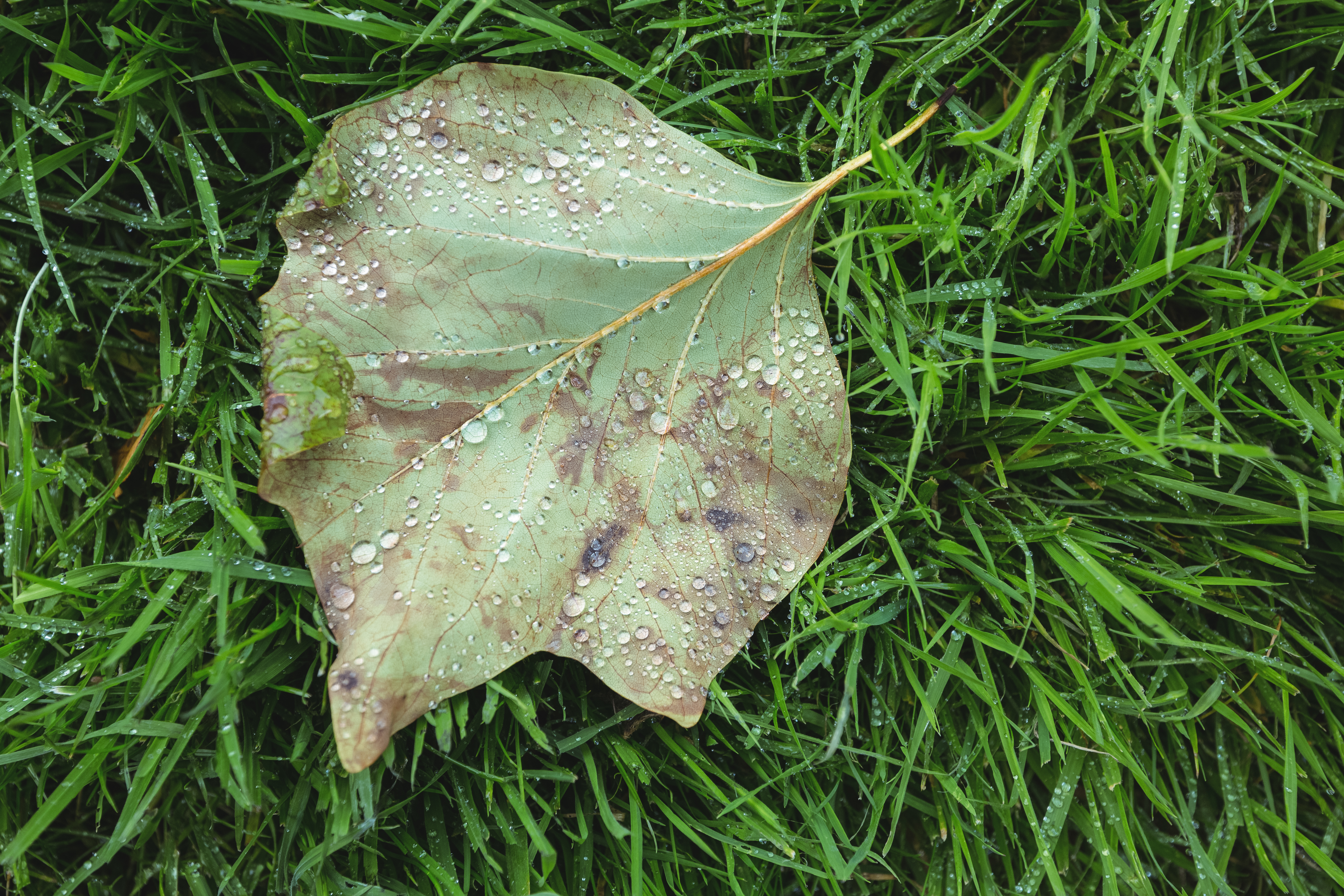
Thrips damage on plants confused me the first time I saw it. I noticed silvery streaking on a monstera leaf and assumed it was mechanical damage from brushing against a shelf. A week later, the newest leaf opened twisted and scarred, and the problem was clearly alive and moving.
The giveaway is the texture of the damage. Thrips scrape plant tissue and feed from the injured surface, so the leaf often looks silver, bronzed, or sanded rather than simply yellow. Spider mites usually create fine stippling. Mealybugs leave cottony clusters. Thrips leave streaks, scars, black specks, and distorted new growth.
What Thrips Damage Looks Like
- Silvery, bronzed, or gray streaks on leaf surfaces
- Tiny black specks of waste on leaves or nearby stems
- Twisted new leaves that open with scars or ragged edges
- Flower buds that distort, brown, or fail to open cleanly
- Fast-moving slender insects when you tap foliage over white paper
For pest basics, I like the University of Minnesota Extension indoor insect guide because it explains common houseplant insect groups in plain language. I use that as a baseline, then rely on repeated inspection because indoor thrips rarely show every symptom at once.
How to Confirm Thrips Before Treating
Start with the newest growth. Thrips prefer tender tissue, so the freshest leaves, unfurled tips, and flower buds usually tell the clearest story. Hold the leaf under bright light and look for scratch-like silvering, black dots, and narrow insects that move quickly when disturbed.
Then tap the plant gently over a sheet of white paper. Adults and larvae may fall onto the paper as tiny tan, yellow, brown, or black slivers. Sticky traps help too, especially blue or yellow cards placed close to the plant canopy. Traps do not solve the infestation, but they tell you whether adults are still active after treatment.
Thrips vs Look-Alike Problems
I do this comparison before spraying because it keeps me from treating the wrong issue. If the leaf has many tiny pale dots but no scraping or black specks, I look harder for spider mites and fine webbing. If there are cottony white clusters at leaf joints, I treat it as mealybugs. If there are firm shell-like bumps on stems or veins, I compare the symptoms with our scale insects on houseplants guide. If the damage is limited to one bent or torn leaf and the newest growth looks normal, I wait and inspect again before assuming pests.
Thrips feel different because the damage keeps showing up on new tissue. A plant with a one-time scrape will not usually keep producing scarred, twisted leaves. A plant with active thrips often does, especially around unfurling leaves, buds, and soft stem tips.
What I Do Immediately
1. Isolate the plant
Move the plant away from the collection before you spray, prune, or rinse it. Thrips can spread between nearby plants, especially on crowded shelves where leaves touch.
2. Remove the worst leaves and flowers
Leaves with heavy scarring will not heal, and damaged flowers can shelter pests. I remove the worst tissue first so treatment reaches the active growth points more easily.
3. Rinse the plant thoroughly
A firm shower knocks down part of the population and clears dust that can interfere with sprays. Focus on undersides, petioles, unfurling leaves, and the crown.
4. Treat repeatedly, not once
One spray is rarely enough because life stages overlap. I repeat treatment every five to seven days for several rounds, following the product label exactly. Insecticidal soap or horticultural oil can help on many houseplants, but always test a small area first because thin or fuzzy leaves can react badly.
My Two-Week Monitoring Routine
After the first treatment, I mark the plant's newest leaf or growth tip with a note in my phone and check that exact spot every few days. Old scars are not useful for judging progress because they will not heal. Fresh tissue tells the truth. If the next leaf opens clean, sticky traps stay mostly empty, and I cannot tap insects onto white paper, I keep monitoring but avoid piling on unnecessary sprays.
If the next leaf still opens twisted or the traps keep catching adults, I repeat the full process: shower, inspect, treat, and keep the plant isolated. I also check plants within a few feet because thrips can move before the original plant looks dramatic. This small routine is less glamorous than a miracle cure, but it is what has actually saved plants for me.
Why Thrips Are So Frustrating Indoors
Thrips hide well, move quickly, and keep damaging new growth before the older leaves look dramatic. That is why I judge progress by new leaves, not old scars. If fresh growth opens clean and sticky traps stay quiet, the treatment is working. If new leaves keep twisting, assume the infestation is still active.
Thrips also show up more easily on stressed plants. Plants sitting in low light, stale air, or soggy soil recover more slowly from pest damage. If several plants are declining at once, compare the symptoms with the broader guide on why houseplants keep dying and the overwatering vs underwatering diagnostic chart so you do not treat a care problem as a pest problem.
When I Would Discard a Plant
I do not throw away a plant just because I find thrips. I consider discarding it when the plant is small, badly infested, inexpensive to replace, and sitting near a collection I care about more. I also let go of plants with repeated infestations that never produce clean new growth after several treatment rounds. That is not failure. Sometimes protecting the rest of the shelf is the better plant-care decision.
Common Mistakes
- Assuming silvery streaks are just physical damage
- Treating only once and stopping as soon as adults are harder to see
- Ignoring nearby plants that share the same shelf or window
- Missing the newest leaves, buds, and tight growth points
- Skipping sticky traps, then guessing whether adults are still active
- Keeping badly scarred leaves and expecting them to turn green again
Quick Reference Care Table
| Clue | What It Often Means | What I Do | Priority |
|---|---|---|---|
| Silvery leaf scarring | Feeding damage | Inspect closely and isolate | High |
| Black specks | Possible active thrips waste | Check leaf undersides and new growth | High |
| Twisted new growth | Ongoing damage at growth points | Start repeat treatment | Very high |
| Clean new leaves after treatment | Infestation is likely controlled | Keep monitoring sticky traps | Medium |
FAQ
Can thrips spread to other houseplants quickly?
Yes. That is why isolation is the first move I make, even before full treatment starts. Check nearby plants for silvering, black specks, and distorted new growth.
Do thrips only attack flowers?
No. Indoors they damage leaves and new growth frequently, especially tender tissue on aroids, hoyas, monsteras, philodendrons, and flowering plants.
Will damaged leaves recover?
No. The scarred tissue stays scarred. I judge success by whether new growth comes in clean after treatment, not by whether old marks disappear.
Thrips damage on plants is easier to stop when you catch the silvery streaks early. If the damage pattern is unclear, inspect the newest leaf first and compare what you see before reaching for a spray.

About the Author
Written by Sage Avery, a plant care writer at Plant Companion Guide. For how we create and update content, see our editorial policy.