Jade Plant Care: Light, Water, Soil and Pruning
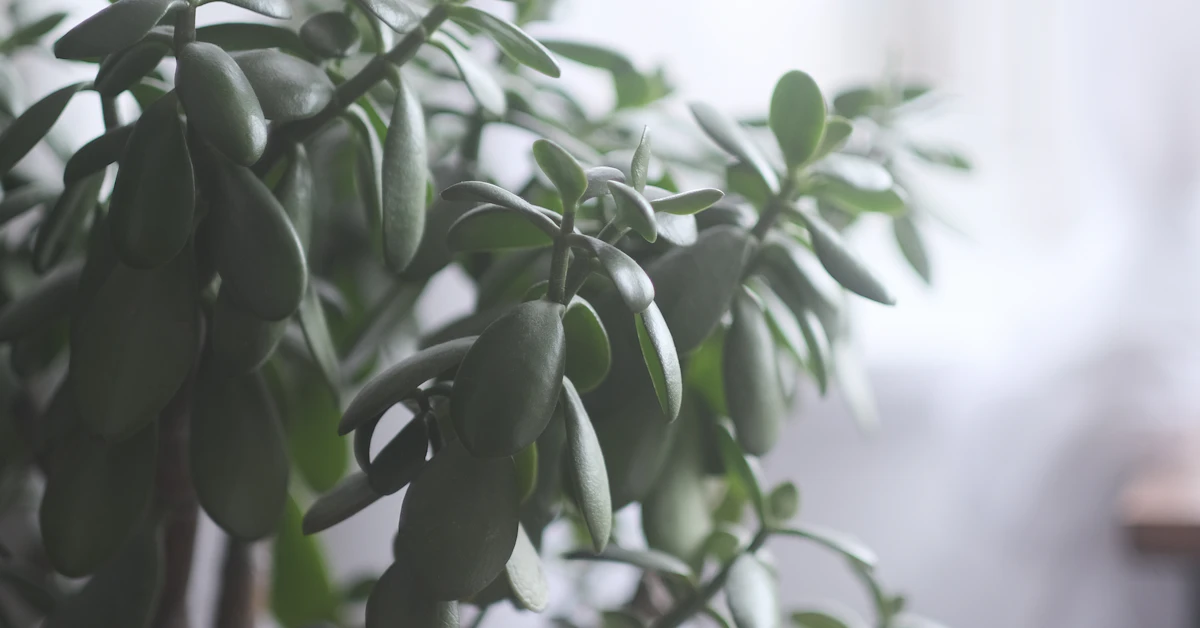
Jade plant care works best when you give the plant strong light, let the potting mix dry between thorough waterings, and use a free-draining container. Crassula ovata stores water in its fleshy leaves, stems, and roots. That reserve helps it handle dry homes, but it also makes constantly wet soil dangerous.
Key Takeaways
- Give jade four or more hours of direct sun when the plant is acclimated.
- Water deeply only after the potting mix has dried, then empty the saucer.
- Use a high-porosity succulent mix and a pot with an open drainage hole.
- Read the soil and stem before treating yellow, wrinkled, or falling leaves.
What Does a Jade Plant Need Indoors?
A healthy indoor jade needs much more light and much less frequent watering than a typical tropical houseplant. The University of Wisconsin Extension jade plant guide, revised in April 2025, recommends four or more hours of direct sun, well-drained succulent mix, and dry-down time between deep waterings.
Use this table as a starting point, then adjust for the actual drying speed in your home. A small clay pot in a sunny window dries faster than a large glazed pot in winter.
| Care factor | Reliable starting point | Check before changing it |
|---|---|---|
| Light | Four or more hours of direct sun, or very bright indirect light | Compact growth, leaf spacing, and signs of scorch |
| Water | Soak fully after the mix dries | Soil depth, pot weight, season, and root health |
| Soil | High-porosity cactus or succulent mix | How long the root ball stays wet after watering |
| Pot | Snug container with an open drainage hole | Root crowding, stability, and drainage speed |
| Temperature | Normal warm indoor conditions | Cold glass, drafts, frost risk, and heat vents |
| Feeding | Label-directed feeding during active growth | Fresh growth, recent repotting, and salt buildup |
How Much Light Does a Jade Plant Need?
Jade plants develop their strongest form in a sunny position. Wisconsin Extension recommends at least four hours of direct sun. The NC State Extension profile for Crassula ovata also places the plant in full sun to partial shade and notes that bright light supports good health.
A south- or west-facing window is often useful, but direction alone does not measure light. Trees, neighboring buildings, curtains, latitude, and season all change the result. Watch the plant. Compact stems and closely spaced leaves suggest enough light. Long gaps between leaves, leaning, and weak drooping stems suggest it needs more.
Increase light gradually. A jade grown in a dim shop can scorch if it moves straight into harsh afternoon sun. Start with gentler morning sun or a bright filtered position, then add exposure over several days.
How Often Should You Water a Jade Plant?
Water after the potting mix has dried, not on a fixed weekly schedule. Then soak the root ball until excess leaves the drainage hole. Wisconsin Extension advises deep watering with drying between waterings and less water during winter semi-dormancy. The RHS jade plant profile likewise recommends light moisture during spring and summer growth and very sparse winter watering.
Check more than the surface. Push a wooden skewer deep into the mix, feel through an open drainage hole, or compare the pot's wet and dry weight. A dry top inch can hide a wet center, especially in a deep plastic pot. If the root ball stays wet for a long time, improve light, drainage, soil structure, or pot size before watering again.
- Confirm the mix is dry. Use depth and pot weight, not the date.
- Water the whole root ball. Apply slowly until water exits below.
- Let the pot drain. Empty the saucer or decorative cachepot.
- Record the dry-down time. Recheck sooner in bright summer growth and later in winter.
Wrinkled leaves can mean drought, but they can also appear when rotted roots no longer absorb water. Compare the soil and stem before adding more. The overwatering vs underwatering diagnostic guide can help when the leaf symptoms look alike.
What Soil and Pot Work Best for Jade Plant Care?
Use a high-porosity cactus or succulent mix that drains quickly while holding enough moisture for the roots to use. Wisconsin Extension recommends a well-drained mix and suggests adding perlite or sharp sand when standard potting mix stays too wet. Avoid rigid homemade ratios unless you know how each ingredient behaves in your climate and container.
The pot must have an unobstructed drainage hole. Terracotta can shorten the dry-down time because its walls are porous. Plastic and glazed ceramic can also work, but they hold moisture longer. Choose by how quickly the mix dries in your home, not by a claim that one material is always best. Our guide to why indoor plants need drainage holes explains safe cachepot setups.
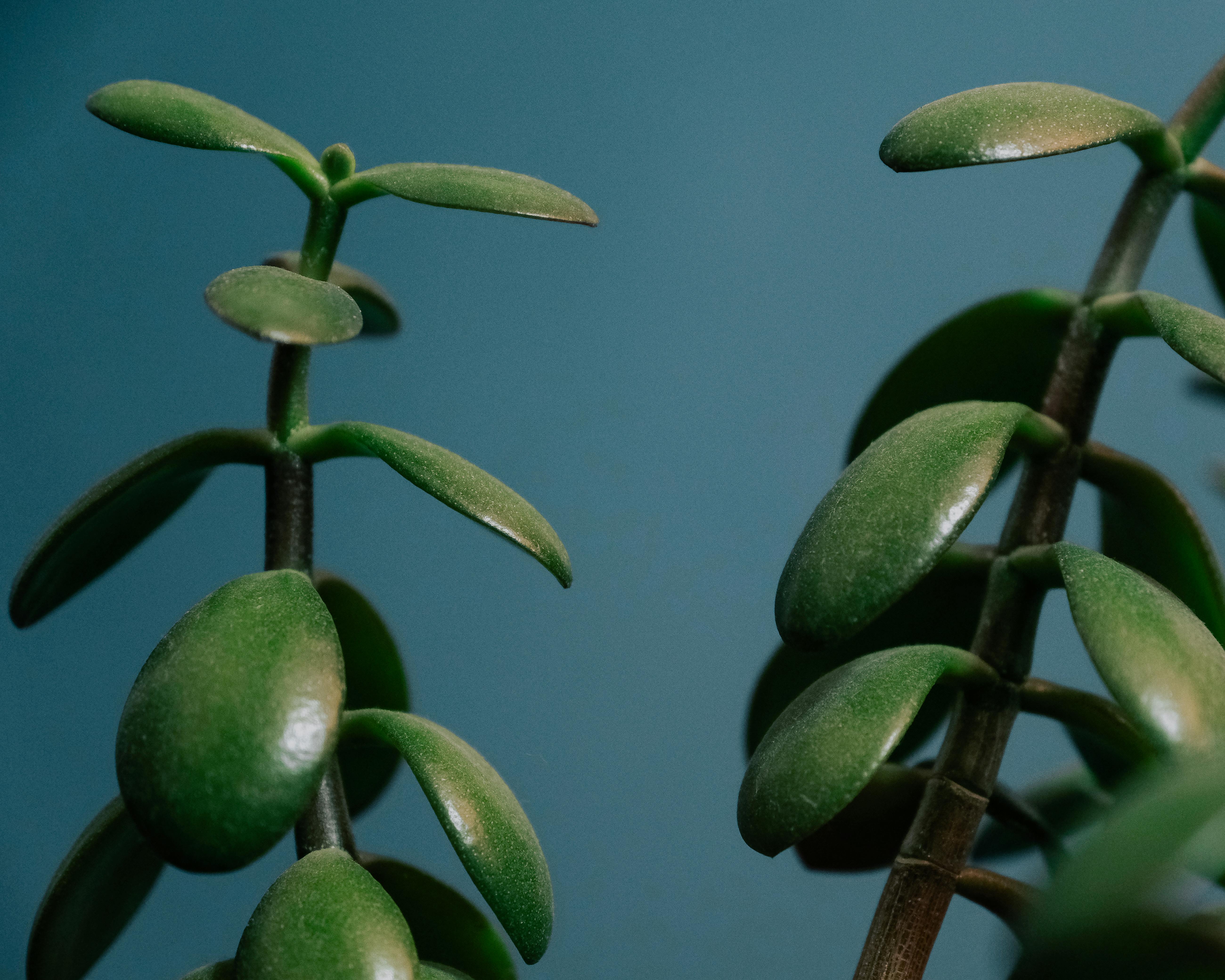
Keep the new pot close to the size of the root ball. Too much unused mix holds water beyond the active roots. Wisconsin Extension says jade can remain root-bound for years and suggests repotting every two to three years or when the plant becomes top-heavy.
How Should You Feed, Repot, and Prune Jade?
Do these jobs during active growth, then let the plant recover in strong light. Seasonal growth changes with your conditions, so use new leaves and extending stems as the signal. A jade resting in weak winter light needs less water and usually no fertilizer.
Feed only while the plant is growing
Wisconsin Extension allows fertilizer every two months during active growth or a more dilute feed more often. The RHS recommends a general liquid fertilizer during spring and summer. Follow the product label, never apply to a severely dry or stressed root ball, and pause after repotting if the fresh mix already contains fertilizer.
More fertilizer does not correct low light. It can leave salts in the mix and push weak growth. If you are comparing liquid, granular, and slow-release options, the houseplant fertilizing schedule helps match the product to the growth cycle.
Repot when roots or balance require it
Repot as new growth begins. Slide the root ball out, remove loose exhausted mix, trim dead roots, and use a clean container only slightly larger than the healthy root mass. If the plant is top-heavy but the roots are sound, a heavier pot of similar size may solve the problem without surrounding the roots with excess soil.
Prune above a branch or leaf pair
Spring pruning keeps jade compact and encourages branching. Wisconsin Extension recommends cutting stems back to a lateral branch. Use clean, sharp pruners and make a deliberate cut instead of repeatedly pinching random tips. Do not remove so much foliage that a weak plant loses most of its working leaf area.
What Do Common Jade Plant Symptoms Mean?
Start diagnosis with the soil and stem base, then add the leaf pattern. Yellow leaves may follow saturated roots, but an old lower leaf can also yellow naturally. Wrinkles may reflect drought or damaged roots. The table pairs each symptom with evidence you can check.
| What you see | What to inspect | First response |
|---|---|---|
| Soft yellow leaves and wet mix | Stem base, odor, drainage, and roots | Stop watering and inspect for rot |
| Wrinkled leaves and dry mix | Root ball dryness and root condition | Water deeply if the roots and stem are firm |
| Long, leaning stems | Daily light and leaf spacing | Increase light gradually, then prune weak growth later |
| Brown or pale patches after a move | Window-facing tissue and recent exposure | Reduce harsh sun and acclimate more slowly |
| White cottony clusters | Leaf joints, stems, and nearby plants | Isolate and identify mealybugs before treatment |
| Lower leaves dropping slowly | Whether new growth remains healthy | Leave the routine alone if no other stress appears |
Root rot needs the fastest response. A soft dark stem base, sour wet mix, and collapsing roots point to prolonged saturation. Remove affected tissue with clean tools and repot only firm, healthy material in fresh dry-leaning mix. Do not compensate with a much larger pot or an untested drench.
Mealybugs, spider mites, and aphids can also affect jade. Both Wisconsin Extension and RHS warn about common pests, and Wisconsin cautions that succulent leaves can react badly to insecticides. Confirm the pest, follow the product label, and test a small area before treating the whole plant.
How Do You Propagate a Jade Plant?
Jade propagates from stem or leaf cuttings, and both NC State and Wisconsin Extension list these methods. A stem cutting gives you a larger start. A single healthy leaf can work too, but it takes longer to build a plant. Spring is a practical time because the parent and cutting are entering active growth.
- Choose firm, pest-free tissue and cut with a clean blade.
- Let the cut surface dry and callus before it touches moist mix.
- Set the cutting in a small container of airy succulent mix.
- Keep it in bright light without harsh sudden sun.
- Water cautiously after roots begin forming; an unrooted cutting uses little moisture.
Watch for new growth instead of tugging every few days. For a closer look at leaf versus stem methods, use the succulent propagation and care guide.
Is Jade Plant Toxic to Cats and Dogs?
Jade plant is not pet-safe. The ASPCA lists jade plant as toxic to cats, dogs, and horses. Reported signs include vomiting, depression, and incoordination, and the toxic principle is listed as unknown.
Place the plant where pets cannot reach fallen leaves or the pot. If a pet chews jade or develops symptoms, contact a veterinarian or animal poison service promptly. Keep the plant's scientific name, Crassula ovata, available because several unrelated plants share the names jade plant, money plant, or money tree.
Frequently Asked Questions
How often should I water a jade plant?
Water a jade plant only after the potting mix has dried, then soak the root ball and drain the excess. Do not use a fixed weekly schedule. Light, temperature, pot size, and season change the drying time, so check the mix and pot weight before every watering.
Can a jade plant live in low light?
A jade plant may survive in bright indirect light, but weak light often causes stretched stems, wider gaps between leaves, and drooping growth. Wisconsin Extension recommends four or more hours of direct sun for best form. Move an indoor plant toward stronger light gradually to avoid scorch.
Why are leaves falling off my jade plant?
Falling jade leaves can follow saturated soil, severe drought, a sudden light change, cold injury, or natural aging. Check the mix and stem base first. Wet soil with soft tissue points toward rot, while dry mix and wrinkled leaves point toward a plant that needs water.
Is jade plant toxic to cats and dogs?
Yes. The ASPCA lists jade plant as toxic to cats and dogs, with signs that may include vomiting, depression, and incoordination. Keep the plant out of reach. If a pet chews it or develops symptoms, contact a veterinarian or animal poison service promptly.
Build the Routine Around Light and Dry-Down
Strong light and a complete dry-down make every other jade plant care decision easier. Start there. Then choose a fast-draining mix, keep the pot snug, feed only during active growth, and diagnose symptoms from the roots outward. A steady routine will do more for compact growth than frequent watering, fertilizer, or repeated moves.

About the Author
Written by Sage Avery, a plant care writer at Plant Companion Guide. For how we create and update content, see our editorial policy.