Is Parlor Palm Toxic to Cats? A Pet-Safe Houseplant Guide
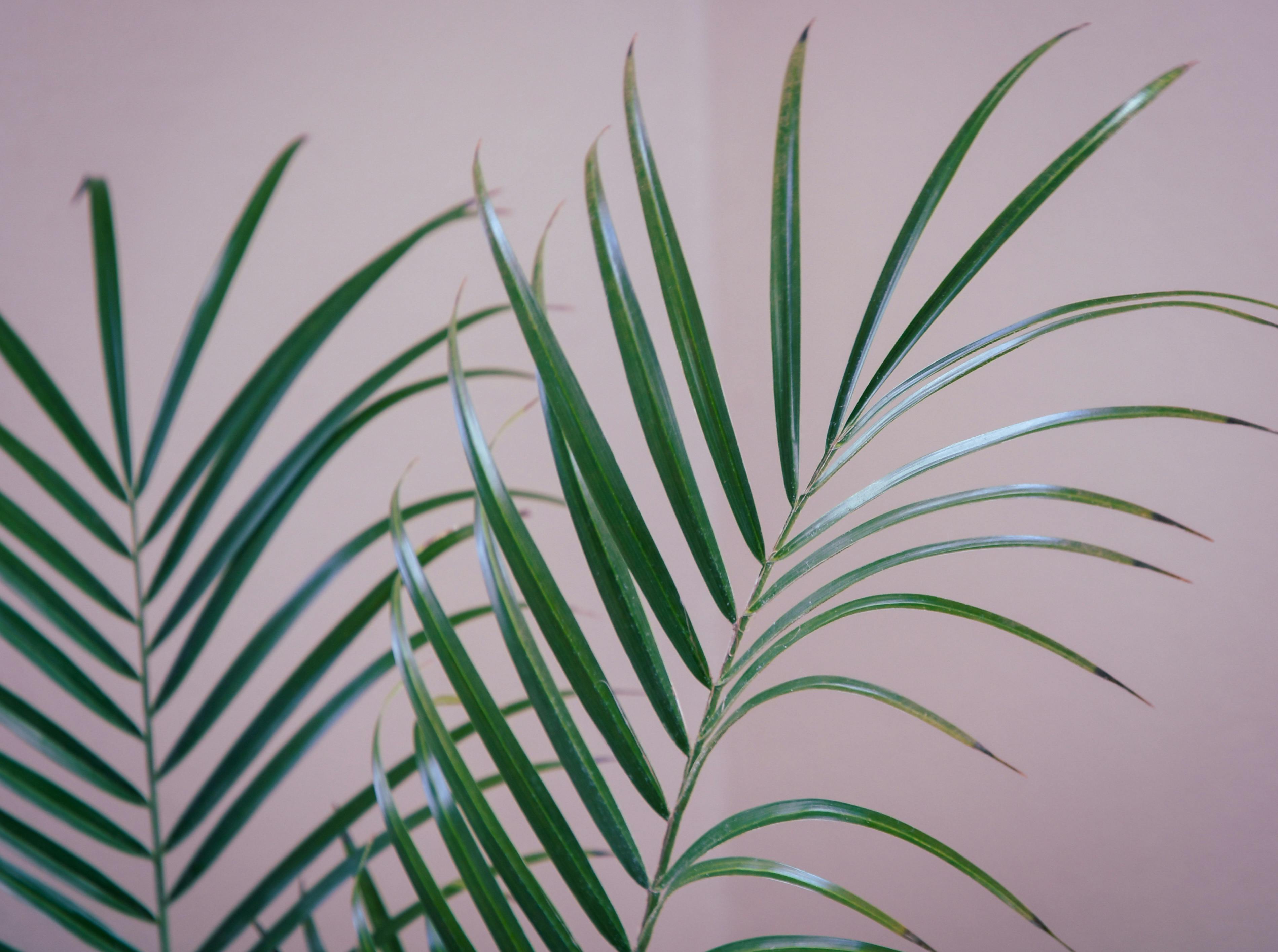
No, parlor palm is not toxic to cats. The ASPCA lists parlor palm, Chamaedorea elegans, as non-toxic to cats and dogs. That makes it one of the better palm-like houseplants for cat households. The practical catch is simple: non-toxic does not mean chew-proof, mess-proof, or guaranteed to agree with every cat's stomach.
I keep a parlor palm in a room my cat can enter, but I do not treat it like cat grass. The fronds are thin, tempting, and easy to shred. A few investigative bites are unlikely to be a poisoning emergency, but regular chewing can leave the plant ragged and can still cause gagging, vomiting, or mild digestive upset from the plant fiber.
Is Parlor Palm Toxic to Cats? The Direct Answer
For pet safety, the ASPCA listing is the clearest source: parlor palm is non-toxic to cats and dogs. The listing identifies the plant as Chamaedorea elegans and includes common names such as good luck palm and bamboo palm. Those shared common names are one reason I always check the botanical name before buying any "palm" for a pet home.
The NC State Extension plant profile identifies parlor palm as a solitary understory palm in the family Arecaceae, native to southern Mexico and northern Central America. That matters because it confirms the plant's identity and explains why it tolerates indoor light so well. It evolved below taller vegetation, not in all-day direct sun.
So if your cat nibbled one parlor palm leaflet, take a breath, remove access, and watch for ordinary stomach upset. If your cat ate a large amount, keeps vomiting, seems lethargic, drools heavily, or you are not certain the plant is actually parlor palm, call your veterinarian or ASPCA Animal Poison Control.
Are Parlor Palms Toxic to Cats If They Chew the Fronds?
Are parlor palms toxic to cats when the cat chews several leaves? They are not expected to cause systemic poisoning like a truly toxic plant would. The bigger issue is irritation and digestion. Cats are obligate carnivores, and a mouthful of fibrous palm leaf is not food.
The ASPCA's broader cat plant list cautions that eating plant material can still cause vomiting and gastrointestinal upset. That is the distinction many plant lists skip. "Non-toxic" means the plant is not known for serious poisonous effects. It does not mean your cat should be allowed to snack on it every day.
My rule is to treat chewing as a behavior problem, not a plant-care routine. If a cat returns to the palm repeatedly, I move the plant, offer safer enrichment, and check whether the cat is bored, under-stimulated, or attracted to dangling leaves.
Parlor Palm Cats Setup: How to Keep Both Safe
A parlor palm can work well with cats because it stays relatively compact, tolerates indoor light, and does not need dramatic pruning. The setup still matters. A top-heavy pot, damp soil, or pesticide-treated foliage can turn a safe plant choice into a household problem.
- Use a stable pot: Choose a heavier cachepot or a broad saucer so a curious cat cannot tip the plant easily.
- Keep soil covered if needed: Smooth river stones can discourage digging, but leave enough airflow for the potting mix to dry normally.
- Skip leaf shine: Cats groom after touching leaves, so I avoid glossy sprays and harsh residues.
- Watch new fronds: Fresh growth is often more interesting to cats because it is softer and hangs lower.
- Offer a better target: Cat grass or approved chew toys can redirect the habit away from the palm.
For the care routine behind a healthy plant, use the full parlor palm care guide. If you are building a whole room of safer plants, pair this page with our pet-safe houseplants guide.
Is Parlor Palm Safe for Cats Compared With Other Palms?
Is parlor palm safe for cats compared with other palms? Usually, yes, but common names can create confusion. Some plants sold as palms are true palms in the Arecaceae family. Others only look palm-like. Sago palm is the most important warning example because it is a cycad, not a true palm, and it is dangerous for pets.
The ASPCA lists sago palm, Cycas revoluta, as toxic to cats, dogs, and horses. It is not a substitute for parlor palm in a cat household. If a plant tag says "palm" but the fronds are stiff, spiky, and arranged like a small prehistoric crown, verify the botanical name before bringing it home.
Cat Palm vs Parlor Palm: Quick Comparison
Cat palm vs parlor palm is a common shopping question because both have soft green fronds and both appear in pet-friendly plant lists. The names sound similar, but they are different plants with different indoor habits.
| Plant | Botanical name | Cat safety note | Indoor habit | Best fit |
|---|---|---|---|---|
| Parlor palm | Chamaedorea elegans | ASPCA lists as non-toxic to cats and dogs | Slow, compact, tolerant of lower light | Small rooms, shelves, beginner homes |
| Cat palm | Chamaedorea cataractarum | Often sold as pet-friendly; verify the exact tag | Fuller, denser clumps that want brighter light and steadier moisture | Floor planters and brighter rooms |
| Areca palm | Dypsis lutescens | ASPCA lists areca palm as non-toxic | Larger, arching, more space-hungry indoors | Bright rooms with floor space |
| Sago palm | Cycas revoluta | ASPCA lists as toxic to cats and dogs | Stiff cycad leaves, not a true palm | Avoid in pet households |
If your search is "parlor palm for cats," the safest buying habit is to match both the common name and the scientific name. I want to see Chamaedorea elegans on the nursery tag, receipt, or grower label before I rely on the plant being the parlor palm covered by ASPCA's listing.
Care Notes That Reduce Cat Trouble
A stressed parlor palm sheds more dry leaf tips, and those crispy ends can attract a cat that likes texture. Better care does not make the plant more or less toxic, but it can make the plant less tempting and less messy.
Light
Give parlor palm bright indirect light or medium indirect light. Direct afternoon sun can scorch the fronds, while very dim corners slow growth and make the plant thinner. My best results come from an east-facing room where the palm gets gentle morning light.
Water
Water when the top inch of potting mix feels dry. Do not keep the pot soggy. Cats sometimes dig in consistently wet soil, and wet soil also raises the risk of fungus gnats. If watering is your weak spot, our guide to overwatering vs underwatering can help you diagnose the pattern.
Placement
Set the palm where fronds do not dangle over a favorite perch. Cats often chew what brushes their whiskers. A plant stand beside a window may be worse than a table farther from the cat's usual route.
What to Do If Your Cat Ate Parlor Palm
If you are sure the plant is parlor palm, remove the plant and check your cat's mouth for stuck leaf bits. Offer water, clean up shredded fronds, and monitor your cat for several hours. A small nibble usually needs observation, not panic.
Call a veterinarian promptly if symptoms are more than mild or short-lived. Call faster if your cat ate soil, fertilizer granules, pest treatment residue, or an unknown "palm" that might be sago palm. The plant identity matters as much as the bite size.
Keep a photo of the plant tag on your phone. That one habit saves time when a veterinarian asks for the exact plant name. Common names are too loose for pet-safety decisions.
Frequently Asked Questions
Is parlor palm toxic to cats?
No. ASPCA lists parlor palm, Chamaedorea elegans, as non-toxic to cats and dogs. Still, do not encourage chewing. Plant fiber can cause vomiting or stomach upset, and a chewed palm declines quickly.
Are parlor palms toxic to cats if they eat several leaves?
They are not expected to cause systemic poisoning, but several leaves can still irritate the stomach. Monitor your cat, remove access, and call your veterinarian if vomiting, drooling, lethargy, or appetite changes continue.
Is parlor palm safe for cats in every room?
It is a safer plant choice, not a free-for-all. Avoid placing it near habitual chewers, unstable shelves, or treated foliage. A non-toxic plant can still create mess, choking risk, or digestive upset.
What is the difference between cat palm vs parlor palm?
Parlor palm is Chamaedorea elegans. Cat palm is usually Chamaedorea cataractarum. Parlor palm stays smaller and tolerates lower light better, while cat palm usually grows fuller and wants more moisture.
Which palms should cat owners avoid?
Avoid sago palm, Cycas revoluta, around cats. It is not a true palm, and ASPCA lists it as toxic. When buying any palm-like plant, verify the botanical name before trusting the common name.
Parlor palm is one of the better answers for cat households that still want a soft, classic indoor palm. Buy the right plant, place it thoughtfully, and treat chewing as a habit to redirect rather than a safe snack.

About the Author
Written by Sage Avery, a plant care writer at Plant Companion Guide. For how we create and update content, see our editorial policy.