Terracotta vs Plastic Pots: Which Is Better?
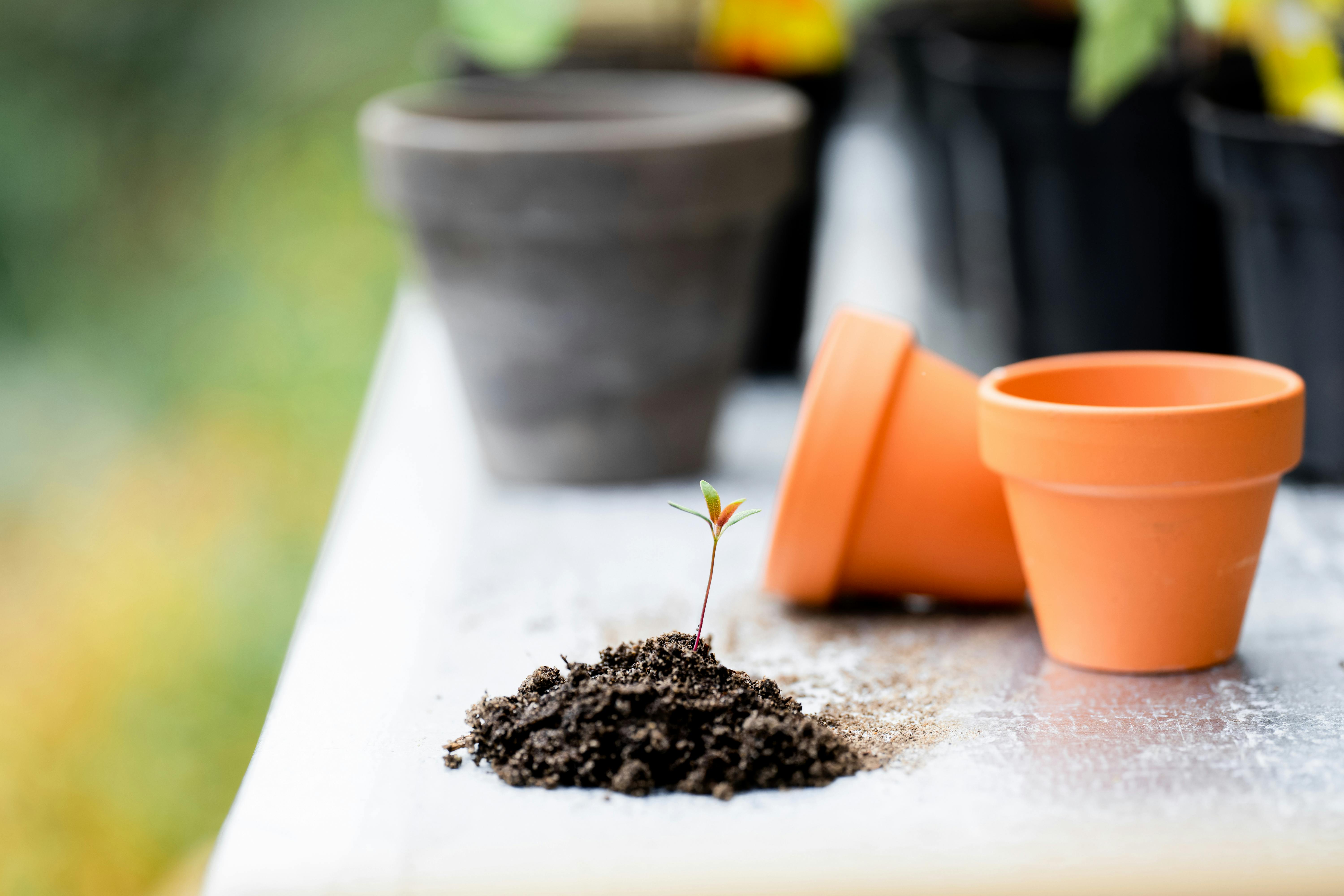
The short answer: terracotta is better for plants that hate wet roots, while plastic is better for plants that want steady moisture. I used to think the pot material barely mattered. A pot is a pot, right? After losing two succulents to root rot in plastic pots I was watering too frequently, and nearly drought-stressing a moisture-loving fern in terracotta I was watering too infrequently, I changed my mind fast. The better pot is the one that matches the plant's moisture needs, your watering habits, and how quickly soil dries in your home.
Quick Comparison: Terracotta vs Plastic
| Question | Terracotta | Plastic |
|---|---|---|
| Which dries faster? | Terracotta dries faster because unglazed clay is porous. | Plastic holds moisture longer because it is non-porous. |
| Best match | Succulents, cacti, snake plants, aloe, rosemary, thyme. | Ferns, peace lilies, calathea, prayer plants, hanging baskets. |
| Best for your habits | Helpful if you tend to overwater or grow in low airflow. | Helpful if you forget watering or grow moisture-loving plants. |
| Main risk | Can dry moisture-loving plants too quickly in warm, dry rooms. | Can keep succulent roots wet too long if the mix or pot is oversized. |
If you only remember one rule, make it this: use terracotta when drying down is the goal, and use plastic when moisture retention is the goal. The pot material does not replace drainage holes or a good soil mix, but it can make your normal watering routine either safer or riskier.
The Core Difference: How Each Material Manages Moisture
Everything important about the terracotta vs. plastic debate comes down to one fundamental property: porosity. Unglazed terracotta is a porous, breathable material, water evaporates not just from the soil surface but through the walls of the pot itself. This accelerates the drying cycle significantly, and also allows the root zone to receive oxygen through the pot walls as moisture evaporates. Plastic is non-porous. Water only evaporates from the soil surface and through the drainage hole, making plastic pots retain moisture much longer, sometimes two to three times longer in the same conditions.
This single difference affects watering frequency, root health, and which plants thrive in each material. Neither is universally better. Colorado State University Extension explains that porous containers such as clay lose moisture quickly while allowing air movement into the root zone, while plastic and glazed containers hold water longer. Nebraska Extension describes unglazed clay as having a wicking action that removes excess moisture from potting soil, which is exactly why it helps some plants and stresses others.
When Terracotta Is the Better Choice
Terracotta is the clear winner for drought-tolerant, moisture-sensitive plants. Succulents, cacti, snake plants, aloe vera, haworthia, and Mediterranean herbs like rosemary, lavender, and thyme all perform better in terracotta because the porous walls keep the root zone drier and more aerated. These plants evolved in environments where soil drains and dries rapidly, and terracotta replicates that cycle indoors.
Terracotta is also valuable for growers who tend to overwater, and most beginners do. The faster drying cycle in terracotta creates a natural buffer against water accumulation, giving roots more recovery time between waterings. I've watched countless new plant parents lose succulents in plastic nursery pots while the same species thrives for them in terracotta after a switch.
The other advantage of terracotta is stability. Its weight keeps top-heavy plants upright and provides a more stable anchor for climbing plants on moss poles. My Monstera deliciosa on a moss pole is in a large terracotta pot specifically because it was tipping over in the plastic nursery container it came in. Missouri Botanical Garden's container plant resources note that terracotta's weight and breathability make it particularly well-suited to large-format tropical plants and Mediterranean-climate herbs that need consistent air circulation around their root zones.
When Plastic Is the Better Choice
Plastic pots genuinely outperform terracotta for moisture-loving tropical plants. Peace lilies, ferns, calathea, prayer plants, and other species that require consistently moist soil benefit from plastic's moisture-retaining properties. These plants don't want to fully dry between waterings, and terracotta's rapid evaporation can leave them drought-stressed between sessions in dry indoor environments.
Plastic is also the right choice for forgetful or infrequent waterers who have moisture-loving plants. The longer moisture retention in plastic buys extra time between waterings, reducing the risk of drought stress. This is particularly relevant for working plant parents who may water once a week at best.
Weight is another factor. Plastic pots are dramatically lighter than terracotta, making them practical for hanging baskets, window boxes, and situations where a large, heavy terracotta pot would be impractical. My hanging pothos and spider plants are all in plastic because I could not comfortably hang the terracotta equivalent from standard ceiling hooks.
Which Pot Should You Choose by Plant Type?
Snake plants, ZZ plants, aloe, haworthia, and most succulents: choose terracotta first unless your home is extremely dry and bright. These plants store water in leaves, rhizomes, or stems, so the bigger danger is usually wet soil around the roots. If you are choosing a container specifically for Sansevieria, the snake plant pot guide goes deeper on size and drainage.
Pothos, philodendron, monstera, and most easy tropicals: either material can work. Use terracotta if you water often or your soil stays wet for more than a week. Use plastic if your room is dry, bright, and warm, or if you water on a loose schedule. The houseplant soil guide helps you pair the pot with a mix that dries at the right speed.
Ferns, calathea, prayer plants, and peace lilies: plastic is usually the safer daily-care choice because these plants resent repeated drought stress. Terracotta can work only when humidity is high and you are willing to check moisture often.
Indoor herbs: terracotta is useful for rosemary, thyme, sage, lavender, and oregano because they prefer fast drainage. Basil, parsley, cilantro, and mint usually do better with the steadier moisture of plastic or glazed ceramic.
The Cost, Durability, and Aesthetic Comparison
Terracotta pots are more expensive than basic plastic nursery pots, though quality plastic planters can approach similar price points. The durability contrast is interesting: quality terracotta, when handled carefully and not exposed to freezing temperatures, can last decades. It's also fully biodegradable at end of life. Plastic pots degrade in outdoor UV exposure but can last many years indoors; they're also far more resistant to breakage from drops.
Aesthetically, terracotta's warm, earthy tones are beloved for good reason, they complement green foliage beautifully and have a timeless look that works in virtually any interior. Plastic pots, particularly basic nursery containers, have a utilitarian appearance that many plant parents prefer to hide in cachepots. However, the range of quality plastic pots available has improved enormously, textured, matte-finish plastic pots now convincingly imitate terracotta, stone, and concrete at a fraction of the weight and cost.
The Role of Drainage Holes
Regardless of material, drainage holes are essential in any functional plant pot. The drainage-versus-no-drainage question matters far more for plant health than terracotta versus plastic. A plastic pot with a good drainage hole outperforms a terracotta pot without one for virtually every plant type. Never sacrifice drainage for aesthetics, and always empty saucers within 30 minutes of watering. According to University of Maryland Extension's indoor gardening resources, drainage is identified as the most critical physical factor in container plant health, with the absence of drainage holes cited as one of the most common causes of houseplant mortality among home growers.
Common Mistakes in the Terracotta vs. Plastic Decision
- Using plastic pots for succulents as a beginner: The moisture retention in plastic pots is often too high for growers who haven't yet mastered the "completely dry before watering" rule for succulents.
- Using terracotta for calathea and ferns: These moisture-loving species often become stressed in terracotta's rapid-drying environment, especially in low-humidity homes.
- Assuming terracotta always needs less frequent watering: In a humid environment or during winter when light and temperatures drop, terracotta can still retain moisture too long for succulents.
- Leaving water in terracotta saucers: Terracotta absorbs water from below as readily as from above, a full saucer can re-saturate soil through the pot base.
- Ignoring pot size in favor of material: A terracotta pot that's too large for the root ball is still a root rot risk, size and drainage matter as much as material.
Quick Reference Care Table
| Factor | Terracotta | Plastic |
|---|---|---|
| Moisture retention | Low, dries faster through porous walls | High, moisture only leaves via surface and drainage |
| Best plant types | Succulents, cacti, snake plants, Mediterranean herbs | Peace lilies, ferns, calathea, moisture-loving tropicals |
| Best for which waterers | Frequent or overwatering-prone gardeners | Infrequent or forgetful waterers with moisture-lovers |
| Weight | Heavy, good for stability | Light, practical for hanging and mobility |
| Durability | Brittle; decades of use if undamaged | Flexible; degrades in UV; good for indoor long-term use |
| Cost | Moderate to high | Low to moderate |
Frequently Asked Questions
Do I need to soak new terracotta pots before using them?
Yes, soaking new terracotta pots in water for 30 to 60 minutes before planting is recommended. Dry terracotta aggressively absorbs moisture from the surrounding soil immediately after planting, which can stress newly potted plants and dry the root zone too rapidly. Pre-soaking saturates the clay so it doesn't compete with the plant for initial soil moisture.
Can I use terracotta pots in a very dry climate?
You can, but you'll need to water more frequently than the general guidance for that plant type suggests. In very dry, centrally heated indoor environments, common across much of Canada and the Northern US in winter, terracotta can dry out so fast that even drought-tolerant plants struggle. In these conditions, plastic or glazed ceramic pots reduce watering frequency and help maintain the moisture balance most plants need.
Is there a pot material that works for every plant type?
Glazed ceramic comes closest to a universal option, it breathes slightly more than plastic but retains more moisture than terracotta, sitting in a middle range that works reasonably well for a wide variety of plants. It's my go-to recommendation for mixed plant collections where matching the pot material precisely to each species isn't practical.
The best pot is the one that matches your plant's moisture needs, your watering habits, and your environment, not the one that looks most appealing in the store. Once you understand the moisture difference between porous and non-porous materials, this choice gets much easier. If you want help with your exact setup, send the plant name, light, pot size, and recent watering notes through the contact page.

About the Author
Written by Sage Avery, a plant care writer at Plant Companion Guide. For how we create and update content, see our editorial policy.