10 Best Air Purifying Plants
What Air-Purifying Plants Can and Cannot Do
The U.S. EPA's indoor air quality overview notes that Americans spend much of their time indoors and that some pollutants can be more concentrated indoors than outdoors. Plants can be part of a healthier room, but they are not a substitute for ventilation, source control, or filtration. This guide looks at popular air-purifying plants through a practical lens: which ones are easy to keep alive, which need bright light, which are unsafe around pets, and where each plant fits best indoors.
The Science: How Plants Scrub Your Air
In 1989, NASA conducted its landmark Clean Air Study to determine how to keep the air in space stations breathable. They found that certain houseplants can absorb some volatile organic compounds in sealed test conditions. That does not mean a few potted plants replace ventilation or a good air purifier in a normal home. I treat air-cleaning plants as a helpful bonus, not the main reason to grow them.
The stronger practical case is that these plants add humidity, encourage regular dusting and observation, and make indoor rooms easier to enjoy. If indoor air quality is a serious concern, use ventilation, source control, and mechanical filtration first, then choose healthy plants that fit your light and pet-safety needs.
1. The Resilient Snake Plant (Sansevieria)
The Nighttime Oxygen Producer
- Difficulty Rating: 1/10 (Beginner Friendly)
- Cost: $15 - $40
- Primary Toxins Removed: Formaldehyde, Benzene, Xylene
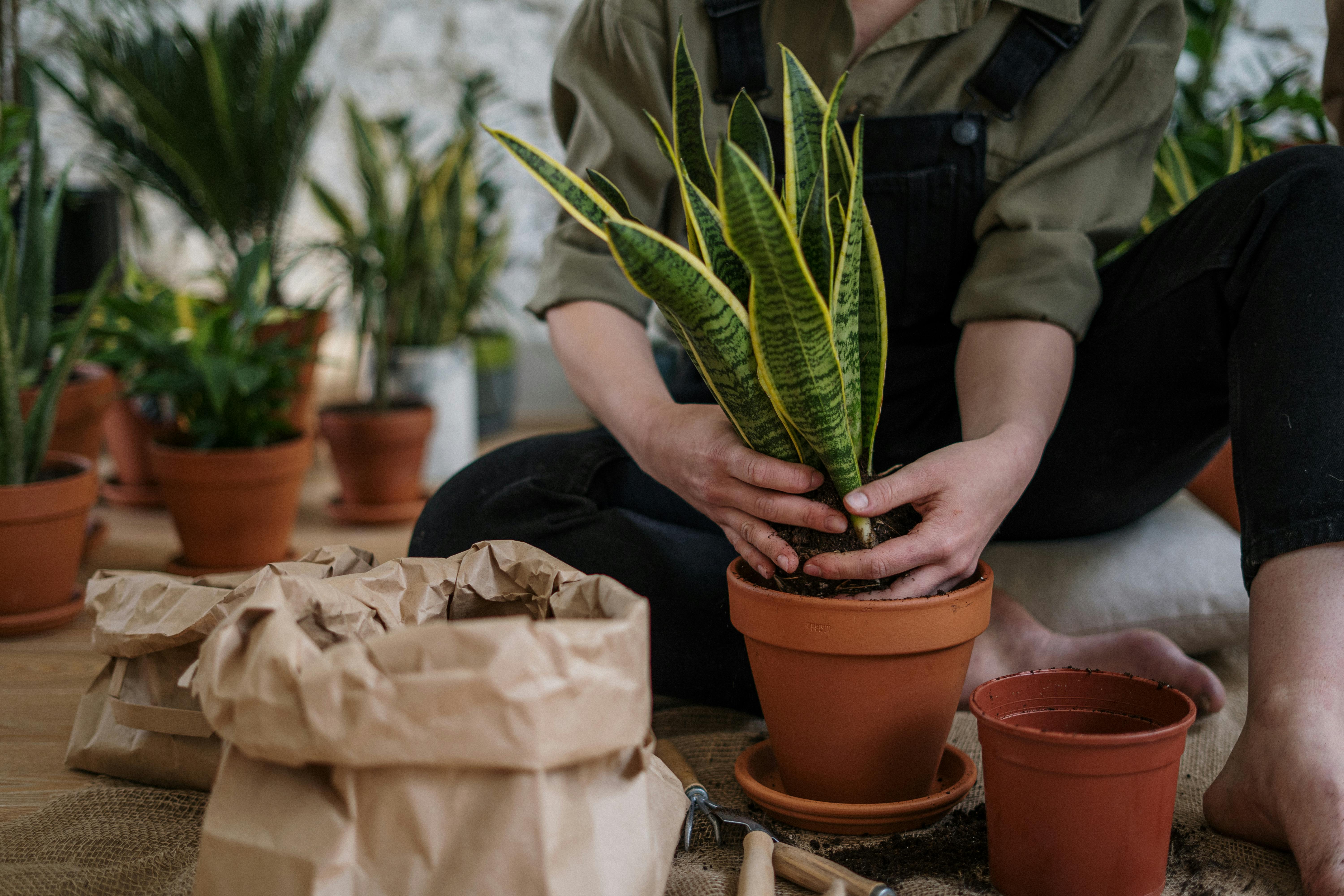
The Snake Plant is a good entry point for many beginners. Its upright leaves store water, and it tolerates lower light better than many tropical plants. Use a well-draining cactus mix and let the pot dry well between waterings to avoid root rot.
2. Spider Plant (Chlorophytum comosum)
The Survivor's Choice
- Difficulty Rating: 2/10
- Cost: $10 - $25
- Primary Toxins Removed: Carbon Monoxide, Formaldehyde
Spider plants are tough, quick to recover, and generally safe for households with pets. Within a mature growing season they can produce small plantlets on long stems, which you can root in water or potting mix to expand your collection.
3. Peace Lily (Spathiphyllum)
The Elegant Deep-Cleaner
- Difficulty Rating: 4/10
- Cost: $20 - $50
- Primary Toxins Removed: Ammonia, Acetone, Alcohols
Peace lilies can be useful in medium to low indirect light, but they are not pet-safe and they dislike drying out completely. Their dramatic wilt is a watering signal, not a reason to keep the soil soggy.
4. Aloe Vera
The Healing Succulent
- Difficulty Rating: 3/10
- Cost: $10 - $30
- Primary Toxins Removed: Benzene, Formaldehyde
Aloe prefers a bright windowsill and a fast-draining mix. It is a better fit for sunny kitchens than dark rooms. Let the soil dry fully before watering again.
5. Golden Pothos (Epipremnum aureum)
The Efficient Vine
- Difficulty Rating: 1/10
- Cost: $15 - $35
- Primary Toxins Removed: Toluene, Formaldehyde, Benzene
Pothos is ideal for shelves or hanging baskets and stays manageable with regular pruning. It tolerates lower light, although variegated leaves may turn greener when light is weak.
6. English Ivy (Hedera helix)
The Mold Fighter
- Difficulty Rating: 5/10
- Cost: $15 - $30
- Primary Toxins Removed: Airborne Mold, Fecal Particles
English ivy can grow well indoors with bright indirect light and cool conditions, but keep it contained in pots. It can be invasive outdoors in many regions and is not a good plant to release into garden beds near natural areas.
7. Bamboo Palm (Chamaedorea seifrizii)
The Natural Humidifier
- Difficulty Rating: 4/10
- Cost: $40 - $100
- Primary Toxins Removed: Trichloroethylene, Benzene
The bamboo palm brings a soft tropical look and adds some humidity through transpiration. Give it bright indirect light and keep the mix lightly moist, not waterlogged.
8. Rubber Plant (Ficus elastica)
The Heavyweight Scrubber
- Difficulty Rating: 4/10
- Cost: $25 - $60
- Primary Toxins Removed: Formaldehyde
Rubber plants have large leaves that collect dust, so wiping them matters for both appearance and plant health. They prefer bright indirect light and a pot that drains freely.
9. Dracaena Reflexa
The Versatile Perennial
- Difficulty Rating: 5/10
- Cost: $30 - $70
- Primary Toxins Removed: Xylene, Trichloroethylene
Dracaenas are slow growers that can work well as long-term floor plants. They dislike soggy soil and can be sensitive to minerals in tap water. Like peace lily, many dracaenas are toxic to pets.
10. Chrysanthemum (Florist's Mum)
The Seasonal Specialist
- Difficulty Rating: 7/10
- Cost: $10 - $20
- Primary Toxins Removed: Ammonia, Benzene, Formaldehyde
Florist's mums are best treated as seasonal flowering plants indoors. They need strong light and consistent moisture, and they are harder to keep long term than snake plants, pothos, or ZZ plants.
Sustainability and Community Growth
To keep indoor gardening sustainable, reuse nursery pots when they are still clean and sound, choose durable containers, and trade cuttings locally when possible. A plant that matches your actual light and watering habits is always the lower-waste choice because it is more likely to survive.
Frequently Asked Questions
How many plants do I need for clean air?
In a normal home, plants should not be treated as the main air-cleaning system. Use ventilation and filtration for air quality, then add plants for comfort, humidity, and the small extra benefits they may provide.
Do these plants work if I have an air purifier?
Yes, but in a supporting role. Mechanical purifiers are better for dust, pollen, smoke, and fine particles. Plants are best viewed as living decor with modest air-quality benefits.
Which plant is best for a dark apartment?
The snake plant and ZZ plant are the most forgiving low-light options on this list. They still need some light, but they cope better than flowering plants or succulents.
Conclusion
Choose these plants because they fit your room and routine first. Any air-cleaning benefit is a bonus. If you want the easiest starting point, try a snake plant, pothos, or spider plant in a pot with drainage, then build from there once you know how quickly your room dries soil.

About the Author
Written by Sage Avery, a plant care writer at Plant Companion Guide. For how we create and update content, see our editorial policy.