Raven ZZ vs Regular ZZ Plant: Care Differences, Growth Rate, and Cost Comparison
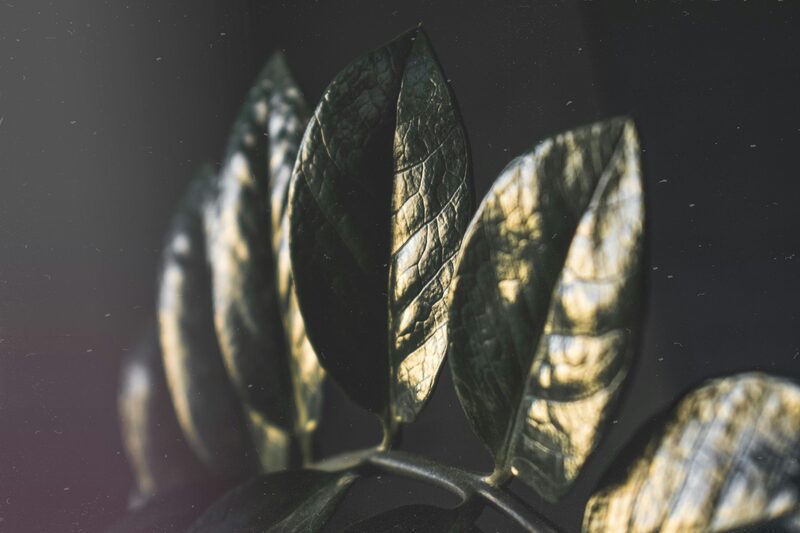
I bought a Raven ZZ the month they became widely available in specialty plant shops, paying $48 for a 6-inch pot when the equivalent regular ZZ plant was available three feet away for $14. What I wanted to know, and what most of the coverage at the time failed to answer clearly, was whether the Raven required different care, whether it actually grew more slowly, and whether the dramatic near-black foliage held up under real home conditions over time. Two years later I can answer all three of those questions from direct experience, and my conclusion on the price premium is more nuanced than either the enthusiasts or the skeptics suggested at launch.
The Fundamental Difference: Same Species, Different Pigmentation
Both plants are Zamioculcas zamiifolia, the same species. Raven is a cultivar, sometimes listed as 'Raven' or 'Dowon', selected and propagated for its unusual dark foliage. The near-black coloring is caused by high concentrations of anthocyanin pigments in the mature leaf tissue, the same class of pigments responsible for the red coloring in autumn leaves and purple basil. This is not a dye, not a coating, and not temporary: the dark color is a stable genetic trait that persists in vegetatively propagated plants indefinitely.
The important detail that many first-time Raven buyers are not warned about: new growth on a Raven ZZ emerges bright lime green, identical in color to regular ZZ new growth, and darkens progressively to near-black as the leaf matures over the course of several weeks. This is normal and does not indicate a problem with the plant. I watched three customers return Raven ZZ plants to a local shop I frequent, convinced their dark-leaved plant had "turned green" because new stems and leaves were emerging light-colored. The plants were perfectly healthy. Understanding this growth cycle prevents unnecessary alarm and sets accurate expectations. According to Gardening Know How's Zamioculcas cultivar resources, the anthocyanin production responsible for Raven's dark coloring develops as leaves mature and is fully expressed within four to eight weeks of emergence, depending on light level and ambient temperature.
New Leaf Behavior: What to Expect as Leaves Mature
Watching a Raven ZZ push new growth is genuinely satisfying once you understand the sequence. A new stem emerges from the soil or from the base of an existing stem: bright apple-green, glossy, firm. Over the first two weeks, the leaflets begin to darken at their bases while the tips remain green longer. By weeks three and four, the stems have turned dark burgundy-black and the leaflets are mid-range, a deep olive-purple. By week six to eight, the mature color is fully expressed: a very dark, glossy near-black that is almost iridescent under direct overhead light.
Light level affects how deeply the dark coloring develops. My Raven ZZ in bright indirect light from an east-facing window produces deeply pigmented leaves that are virtually indistinguishable from black in photographs. A Raven ZZ I tested in a darker north-facing corner for four months produced new leaves that matured to a dark olive-green rather than true near-black, still darker than a regular ZZ, but the dramatic contrast was reduced. This is consistent with the principle that anthocyanin production is stimulated by higher light levels, the same mechanism that makes red-leaved plants like 'Red Siam' aglaonema or purple basil lose their coloring in low light. If you want the full visual impact of Raven's dark foliage, a bright indirect light position is not optional; it is what delivers the product as advertised.
Care Requirements: Identical in Every Practical Way
Raven ZZ and regular ZZ have the same care requirements. The same drought tolerance, both store water in their fleshy rhizomes and can go weeks without water without visible distress. The same light tolerance, both adapt to low light better than almost any other houseplant, though both grow faster and produce better color in bright indirect light. The same soil requirements, well-draining mix with perlite. The same fertilizing schedule, once a month at half strength during the growing season, nothing in winter. The same temperature range, 65-90°F, no cold drafts, no frost. For the light framework that applies equally to both varieties, our detailed ZZ plant low-light guide explains the honest limit of a dim room, and our essential houseplant care guide provides the broader context for building a reliable routine around low-maintenance plants like these.
The one practical difference I've noticed: Raven grows slightly more slowly than the regular ZZ under equivalent conditions, producing new growth perhaps 15-20% less frequently in my observations over two years. This is common with anthocyanin-producing cultivars, the additional metabolic investment in pigment production appears to modestly reduce overall growth rate. It is not dramatic enough to change the care routine, but it is worth knowing if you are buying a small plant and hoping for rapid establishment. According to Missouri Botanical Garden's houseplant cultivation resources, ZZ plant in both its standard and cultivar forms is among the most adaptable and low-maintenance houseplants available, with its drought tolerance and low-light adaptability making it suitable for conditions that would stress most other tropical houseplants.
Both plants share the same toxicity profile: Warning: Zamioculcas zamiifolia is toxic to cats, dogs, and humans, causing oral irritation, drooling, and gastrointestinal distress if ingested, according to the ASPCA's toxic plant database. Keep both varieties out of reach of pets and small children.
Price, Availability, and Whether the Premium Is Worth It
At launch in 2019, Raven ZZ commanded prices of $40-100 for small specimens, a steep premium over the $10-25 regular ZZ. In 2026, availability has normalized considerably: Raven ZZ is now carried at major plant retailers and costs roughly $20-50 for a medium specimen, compared to $10-20 for a comparable regular ZZ. The price gap has narrowed from 3-4x to roughly 1.5-2x at most retail outlets, which changes the value calculus meaningfully.
My honest assessment after two years: if you like dark foliage and the near-black color of Raven appeals to you aesthetically, the current price difference is small enough that it is worth paying for the visual differentiation. The plant is not harder to care for, it performs reliably in the same conditions as the regular, and the contrast between the mature dark leaves and the emerging bright green new growth is genuinely striking. If you are primarily interested in a low-maintenance, adaptable green plant and the dark color is not particularly meaningful to you, there is no functional reason to pay the premium, the regular ZZ performs identically in every measurable care dimension.
Common Mistakes
- Assuming new green growth means the plant has "lost" its dark color: All Raven ZZ new growth emerges bright lime green and darkens over four to eight weeks. This is normal genetics, not a problem with the plant or its light conditions.
- Placing in very low light and expecting deep dark coloring: Anthocyanin pigment production is stimulated by light. In genuinely dim conditions, Raven matures to dark olive-green rather than near-black. Bright indirect light is needed for full color expression.
- Overwatering either variety: Both ZZ plants store water in their rhizomes and tolerate drought far better than chronic wetness. Wait until the top two inches of soil are completely dry before watering, every 14-21 days in most home conditions.
- Repotting unnecessarily: ZZ plants grow slowly and are content in the same pot for three to four years. Repotting when not needed disturbs the rhizomes and can set growth back by several months.
- Not accounting for toxicity with pets: Both varieties share the same toxic profile. The glossy, attractive leaves and low placement on furniture make them accessible to curious cats and dogs.
- Buying Raven at premium prices when the price gap has narrowed: Check current pricing before assuming Raven carries a large premium, availability has increased substantially since launch and the price difference at many retailers is now modest.
Comparison Table
| Factor | Regular ZZ (Z. zamiifolia) | Raven ZZ ('Raven'/'Dowon') |
|---|---|---|
| Mature leaf color | Deep glossy green | Near-black (with adequate light) |
| New growth color | Bright lime green, darkens to green | Bright lime green, darkens to near-black |
| Care requirements | Identical | Identical |
| Growth rate | Slow | Slightly slower (15-20%) |
| Light for best color | Bright indirect preferred | Bright indirect required for full dark color |
| Retail price (medium) | $10-20 | $20-50 |
| Toxicity | Toxic to pets and humans | Toxic to pets and humans |
Quick Reference Care Table
| Factor | Ideal Condition | Notes (applies to both varieties) |
|---|---|---|
| Light | Bright indirect preferred; low light tolerated | Raven needs brighter light for full dark coloring |
| Water | When top 2 inches of soil are completely dry | Every 14-21 days; rhizomes store water |
| Soil | Well-draining mix with perlite | Never allow to sit in water |
| Humidity | Tolerates 30-60%; no humidifier needed | One of the most humidity-tolerant houseplants |
| Temperature | 65-90°F (18-32°C) | No cold drafts; sensitive below 55°F |
| Fertilizer | Half-strength balanced, monthly | Growing season only; skip winter entirely |
Frequently Asked Questions
Will my Raven ZZ stay dark if I move it to a lower-light spot?
Existing mature dark leaves will retain their color regardless of light level, the pigmentation is already expressed and will not fade on leaves that have fully darkened. New growth produced in low light, however, will mature to a dark olive-green rather than near-black, because the lower light intensity reduces anthocyanin production during leaf development. The visual effect of the plant changes gradually as older dark leaves are replaced by newer, less deeply pigmented ones. If you want to maintain the dramatic near-black appearance consistently, bright indirect light is necessary for ongoing new growth.
Can I propagate a Raven ZZ from a leaf cutting?
Yes, but be aware that plants propagated from leaf-and-petiole cuttings of Raven ZZ will grow true to the dark-leaved cultivar, the anthocyanin trait is genetic and stable in vegetative propagation. The process is the same as for regular ZZ: a leaf with its attached petiole pressed into moist perlite or placed in water, roots forming over eight to twelve weeks, and a small rhizome developing before any above-ground growth appears. Patience is required, ZZ propagation is notably slow compared to pothos or philodendron cuttings.
Is Raven ZZ a different species from regular ZZ?
No, Raven ZZ is a cultivar of the same species, Zamioculcas zamiifolia. It was discovered as a naturally occurring dark-leaved variant in South Korea and subsequently propagated vegetatively to maintain the dark-leaf trait. All ZZ plants sold commercially, whether standard, Raven, or other named cultivars, belong to the same single species. This means care advice for regular ZZ applies completely and without modification to Raven, there is no separate care protocol, no different soil requirement, no different watering schedule.
Two years with both varieties on the same shelf has convinced me that Raven is a genuinely excellent houseplant and worth the modest current price difference for anyone drawn to dark foliage, but not because it is demanding or special in its care needs. It is excellent for the same reasons the regular ZZ is excellent: near-indestructible, adaptable, and genuinely beautiful in its way. If you want help with your exact setup, send the plant name, light, pot size, and recent watering notes through the contact page.

About the Author
Written by Sage Avery, a plant care writer at Plant Companion Guide. For how we create and update content, see our editorial policy.