Raised Bed Gardening for Beginners: Build and Plant Your First Bed
My first raised bed was built from scrap fence boards nailed into a rough rectangle in a patch of compacted clay soil I'd given up on as a garden site. Within one season, that same space that grew nothing but crabgrass was producing more tomatoes, beans, and lettuce than my family could eat. Raised beds change the gardening equation fundamentally: you control the soil, you control the drainage, and you eliminate the compaction problem that defeats so many in-ground gardens. Building your first one is one of the most rewarding things you can do as a beginning gardener — and it's simpler than most people assume.
Choosing the Right Location and Size
Most vegetables need six to eight hours of direct sunlight daily, so site selection is your first and most important decision. Scout your yard or outdoor space for the sunniest, most exposure-consistent location. Avoid areas shaded by buildings, fences, or large trees, especially in the morning when cool, wet conditions are most problematic for disease. If you have a choice between morning and afternoon sun, morning sun with some afternoon shade is preferable for heat-sensitive crops like lettuce and spinach in summer.
For dimensions: the standard recommendation is four feet wide — the distance you can reach comfortably from either side without stepping in the bed. Length can be anything practical (six, eight, or twelve feet are common). Keep depth at a minimum of twelve inches for most vegetables; eighteen inches is better for deep-rooted crops like carrots, beets, and tomatoes. According to University of Minnesota Extension's raised bed vegetable gardening guide, beds no wider than four feet allow comfortable maintenance from the sides without ever compacting the growing medium — the key structural advantage of raised beds over traditional row gardens.
Building Materials: What's Safe and Durable
The most practical choices for raised bed construction are cedar or redwood (naturally rot-resistant, no chemical treatment needed), Douglas fir (three to five year lifespan), or food-grade composite lumber. Avoid pressure-treated lumber containing chromated copper arsenate (CCA) — though this has been phased out of residential lumber in North America since 2003, older pressure-treated wood from before that period should not be used for food gardens. Modern ACQ (alkaline copper quaternary) pressure-treated lumber is considered safe for raised beds by most university extension services, though many gardeners prefer untreated cedar to eliminate any concern.
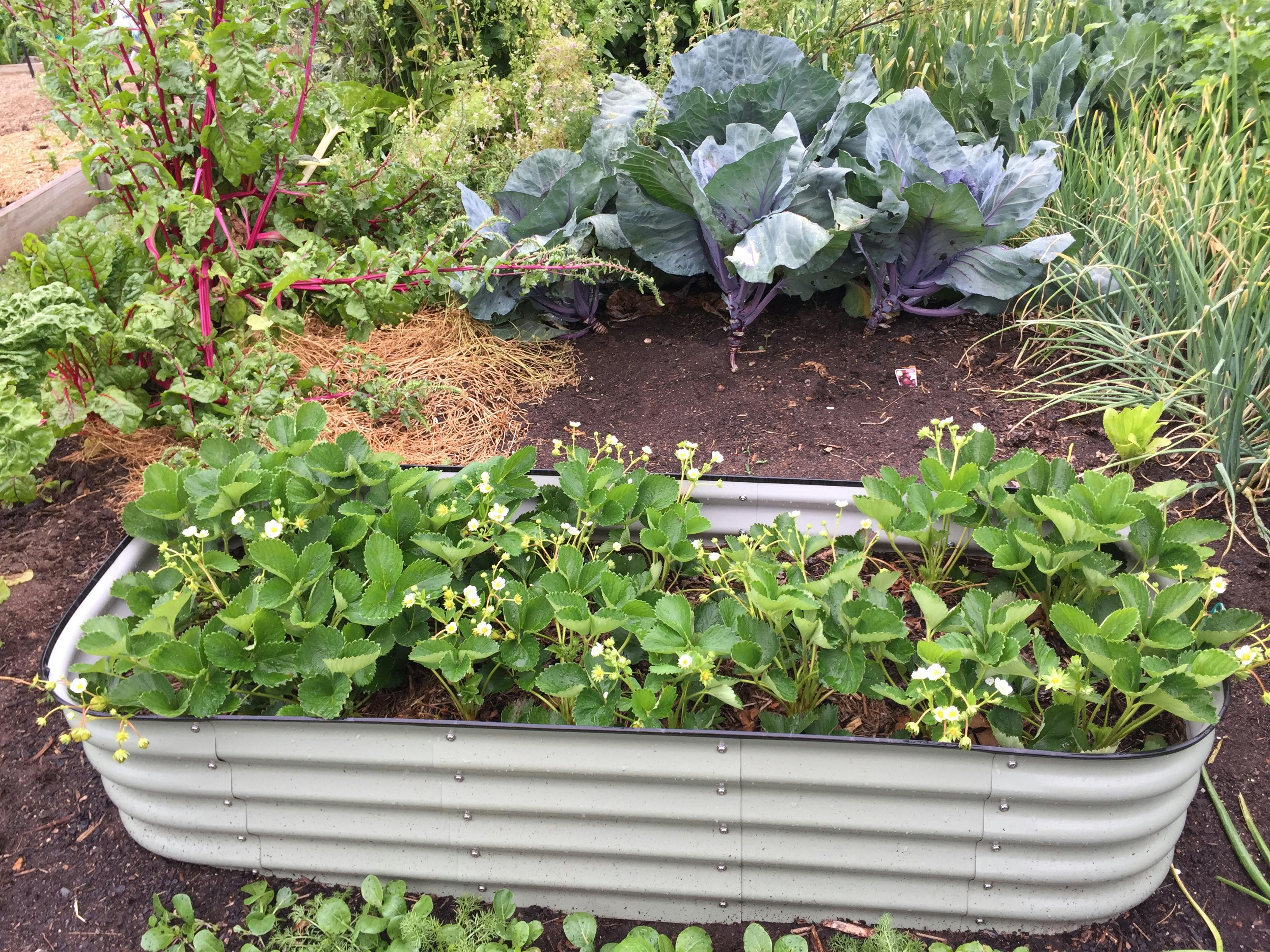
Galvanized raised bed kits have become widely available and are an excellent option for beginners who want a fast, neat result without cutting and drilling lumber. Corrugated galvanized steel raised beds are durable, long-lasting, and heat up quickly in spring — a genuine advantage in shorter growing seasons. Line the interior of metal beds with burlap or landscape fabric to insulate roots from temperature extremes in very hot climates. The Old Farmer's Almanac's vegetable gardening resources include a comprehensive guide to raised bed materials and construction options.
The Best Soil Mix for Raised Beds
This is where raised bed gardening separates itself decisively from in-ground gardening. You fill the bed with an engineered growing medium optimized for plant growth, rather than working with whatever soil exists beneath it. The classic mix for raised beds is often called "Mel's Mix" after Square Foot Gardening author Mel Bartholomew: one-third blended compost, one-third peat moss or coco coir, and one-third coarse vermiculite. This produces a light, fertile, free-draining medium that is excellent for most vegetables.
For practical purchasing, most garden centers sell bagged "raised bed mix" that approximates these proportions and works well. Supplement with several inches of compost incorporated into the top third of the bed. Avoid using straight topsoil or garden soil from the yard in raised beds — it compacts quickly in a contained bed, defeats the drainage advantage, and may contain weed seeds, disease, or poor nutrient balance. Add two to three inches of compost to the top of the bed each spring to maintain fertility and organic matter. For composting your own amendments, see our beginner composting guide, and for planting layouts, visit our square foot gardening guide.
What to Plant in Your First Raised Bed
Focus on crops that perform especially well in raised bed conditions for your first season. Salad greens (lettuce, spinach, arugula, kale) are the highest-return beginner crops — fast-growing, successive-harvest, and highly responsive to the rich, well-draining raised bed environment. Radishes are ready in twenty-five to thirty days and provide near-instant gratification. Bush beans are prolific and low-maintenance. Cherry tomatoes like 'Sungold' or 'Sweet Million' are far more reliable for beginners than large slicing varieties. Herbs like basil, parsley, and chives fill gaps, suppress weeds, and provide constant kitchen harvest.
Plant cool-season crops (lettuce, spinach, kale, peas) as soon as the soil can be worked in spring — typically four to six weeks before your last frost date for your USDA hardiness zone. Warm-season crops (tomatoes, peppers, beans, cucumbers) go in after the last frost date, when soil has warmed to at least 60°F (15°C). Check your zone's frost dates at the USDA Plant Hardiness Zone Map.
Common Mistakes to Avoid
- Building in a shaded location: Even partial shade dramatically reduces vegetable yields. Six to eight hours of direct sun is the non-negotiable minimum for most crops.
- Using straight topsoil or garden soil: It compacts in raised beds, eliminating the drainage advantage. Use a proper raised bed mix.
- Building too wide: Beds wider than four feet require stepping into the growing area, causing compaction. Four feet maximum.
- Not watering consistently: Raised beds drain faster than in-ground soil and may need watering every one to two days during summer heat. Consider adding drip irrigation from the start.
- Planting too many large crops in a small bed: One indeterminate tomato can occupy four square feet and shade everything nearby. Plan spacing carefully before planting.
Quick Reference Raised Bed Planning Table
| Factor | Recommendation |
|---|---|
| Minimum sun | 6–8 hours direct daily |
| Optimal width | 4 feet (reach from both sides) |
| Minimum depth | 12 inches; 18 inches for root crops |
| Best materials | Cedar, redwood, or galvanized steel |
| Best soil mix | 1/3 compost, 1/3 coco coir, 1/3 vermiculite |
| Spring amendment | 2–3 inches compost added annually |
| Water frequency | Every 1–2 days in summer; drip irrigation ideal |
Frequently Asked Questions
Do I need to remove the grass or weeds before building a raised bed?
You don't need to remove them first — a layer of cardboard or thick newspaper (four to six sheets deep) laid directly over grass or weeds before filling the bed is sufficient to smother underlying growth. This sheet mulching approach breaks down over the season, adding organic matter, and prevents grass from growing up through the bed's base. Ensure the cardboard overlaps by four to six inches at the seams to prevent gaps that weeds can exploit.
How often should I water a raised bed?
Raised beds dry out faster than in-ground soil due to their excellent drainage and greater surface area exposure. In summer heat, daily watering may be necessary for shallow-rooted crops like lettuce. Deeper-rooted crops like tomatoes and beans may need watering every two to three days. Check soil moisture by pushing your finger two inches into the soil — if it's dry at that depth, water. Installing drip irrigation or soaker hoses at the time of building saves significant time and water over the growing season.
Can I grow in a raised bed on a rooftop or balcony?
Yes, with structural weight considerations. A filled raised bed is very heavy — a 4x8 foot bed filled twelve inches deep holds approximately one thousand pounds of growing medium. Rooftop or balcony placement requires consulting a structural engineer or your building's maintenance team to verify load capacity. Lightweight alternatives include using a mix with more vermiculite and less compost to reduce weight, or choosing fabric raised bed containers, which are significantly lighter and provide excellent air pruning of roots.
Your first raised bed season will almost certainly be your best growing year yet — the combination of excellent soil, good drainage, and early warming is a genuine advantage over any in-ground garden. Start with one four-by-eight-foot bed, keep it full of plants, and you'll be expanding to two or three beds before the season ends. Drop your raised bed questions in the comments below.

About the Author
Sage Avery is a passionate gardener and plant enthusiast sharing tips for a greener life.